Recent Posts

Florence and the machinations of performative feminism

Medusa strikes back! ....unnecessarily, and at the wrong person

From Paris with love

Interview: Hitting the heart of Johnny Marr

Adventures in Modernist Melbourne

Categories
  • Architecture
  • Art
  • Film
  • Literature
  • Music
  • Travel


Tags

architecture ; art ; art exhibitions ; david sylvian ; feminism ; films ; france ; French cinema ; Hokusai ; inspiring people ; interview ; Israel ; Japanese art ; Jerusalem ; Johnny Marr ; melbourne ; modernism ; mythology ; Paris ; philippe garrel ; photography ; published works ; Robert Mapplethorpe ; travel


Archives

► November 2020
► October 2020
► August 2019
► November 2018
► February 2018
► November 2017
► October 2017
Monthly Archives: November 2018

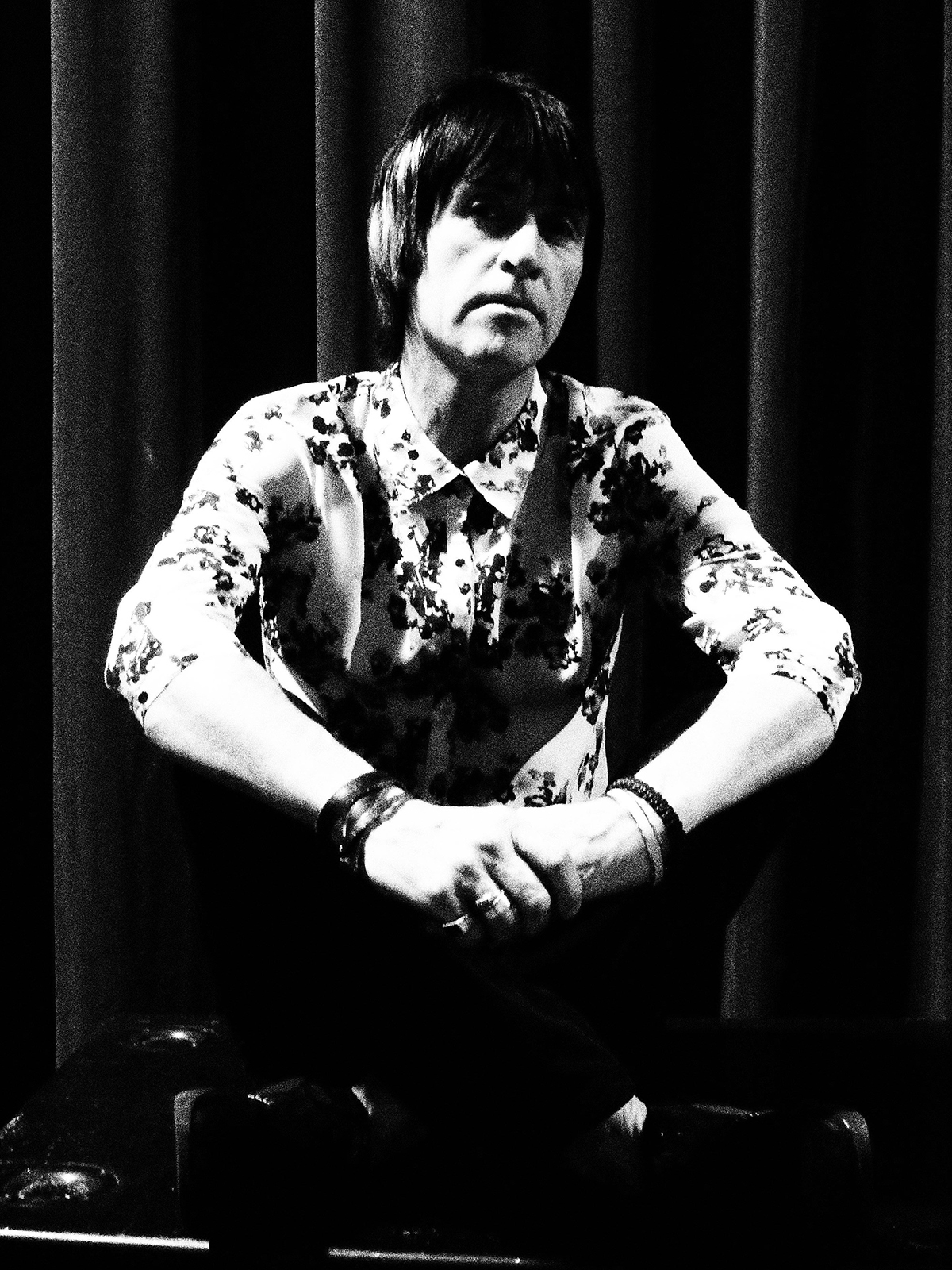
Interview: Hitting the heart of Johnny Marr

November 29, 2018

Interview originally published in the June 2018 issue of Dynamic.
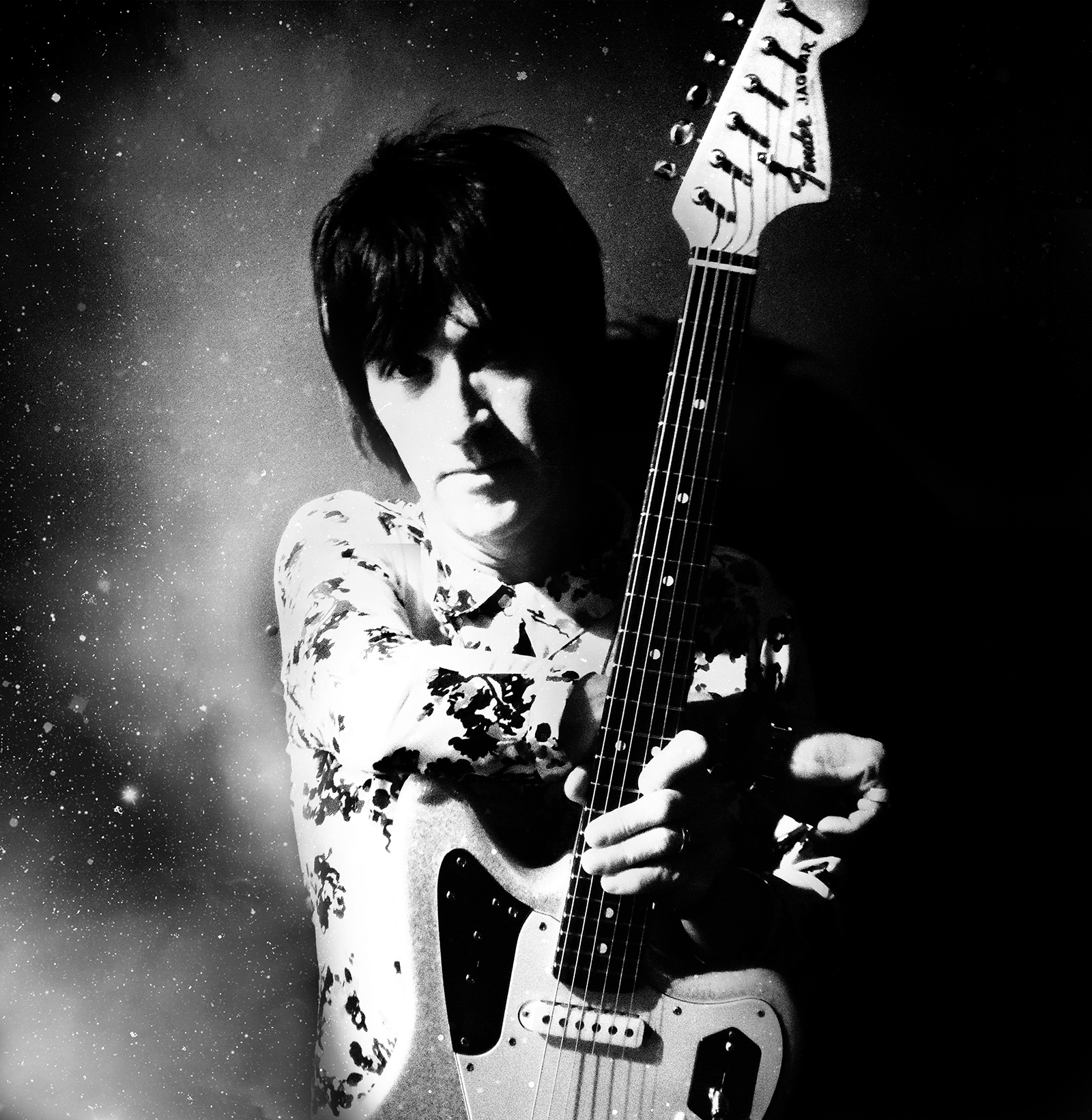
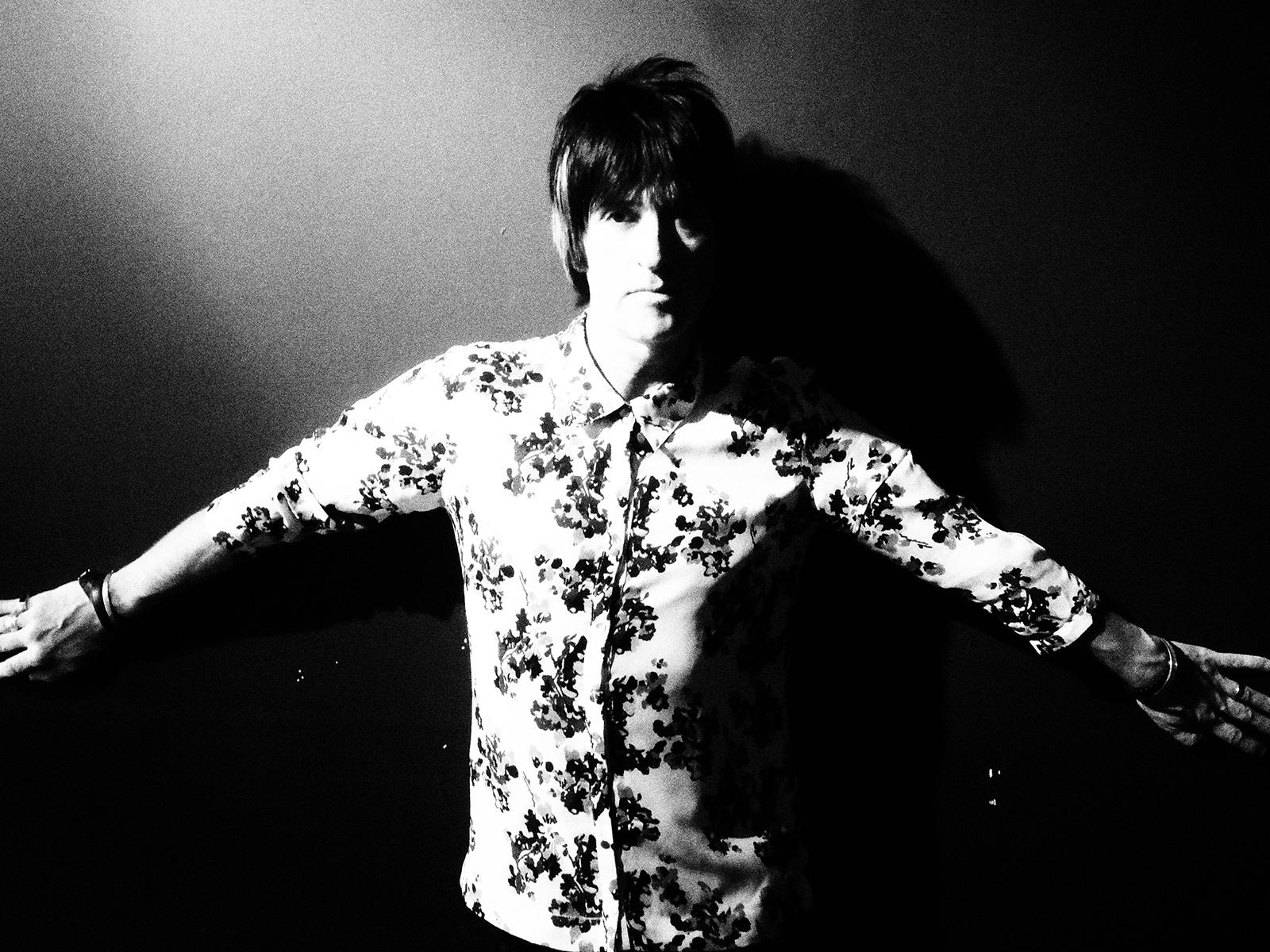
Photos © A. Stevenson, Berlin, May 2018.

It was Susan Sontag who once said, ‘The greatest effort is to be really where you are, contemporary with yourself, in your life, giving full attention to the world.’ This is an effort, I feel, that Johnny Marr has certainly made, and more so than ever in the five years since first striking out as a solo artist.

Though understandably admired for decades as a guitarist alone, it’s been Johnny’s nascent career as a frontman that has cemented his reputation as one of the most-loved figures in the music industry. Beyond the fealty of his ever-growing fanbase, both the media and his contemporaries are routinely eager to sing his praises. To the press, he’s a man of great warmth and candour; to fellow musicians, an exemplar of enthusiasm and a consummate professional who’s never lost his passion for his art. To all of the above, he’s lauded as, to quote countless admirers, “one of the nicest guys in the universe”. Ebullient as such praise may be, there’s not a hint of puffery about it: these commendations are as sincere as Johnny himself is.

Johnny’s third studio solo album, Call The Comet, hasn’t even hit the shelves at the time of writing, but has already started to receive unequivocally glowing reviews from the press. Having launched into its production straight after writing and promoting his award-winning autobiography, Set The Boy Free, the anamnesis such a project required gave impetus to Johnny’s desire to return the focus of his work to the present – and beyond.

‘Writing Set The Boy Free was obviously all about looking back, the story so far,’ Johnny explains. ‘When it was done and I went out on the book promotion tour, that too was all about looking back. So when the time came to make Call The Comet, I was pretty eager to think about the present, or the future. I was ready to leave the past in the past.’

The Messenger and Playland drew on the present for inspiration as well, with songs inspired by Johnny’s observations of society. The media, politics, technology, escapism, hedonism and urban life were recurrent themes. ‘I like to make the lyrics more observational than introspective,’ Johnny told me in an earlier interview a few years ago. Many of the lyrics on Call The Comet are in fact a creative fusion of both; an optimistic imagining of an alternative future to that which seems to realistically await us. In The Messenger and Playland, the characters in Johnny’s songs sought escape through technology, play and urban exploration. This time, they’re seeking another world entirely. I wonder how much of this is also a reflection of a change in Johnny’s attitude, and the atmosphere of his working environment, since the start of his solo career.

‘There is a difference,’ he admits. ‘I probably feel a little bit different, and the world definitely feels different. Being in my new working space [The Crazy Face Factory] has some influence too, which I like. It’s a very interesting place and quite atmospheric. My environment has always effected me, and I think the record has the sound of the place – plus I always want to do something different from the last thing, change the attitude of the music a bit. The only time haven’t done that was when I wanted Playland to feel like an extension of The Messenger. Call The Comet is different.’

Call The Comet’s two opening tracks, ‘Rise’, and ‘The Tracers’, both tackle the theme of escaping to a new reality head-on. Both convey a sense of urgency combined with optimism and empowerment, both sonically and lyrically. ‘Get ready to run’, the former warns us, while in the latter the protagonist urges their companion to ‘Come with me, evaporate’.

‘The story is that the earth wants to ‘re-set’,’ Johnny says, adding to his explanation that ‘Rise’ is the story of two people living in a futuristic society that popped up after a comet hit. ‘I had the idea about us calling out to some intelligence somewhere, which is where Call The Comet comes from – and isn’t actually that far-fetched when you think about it, as humankind has been doing that forever in the form of religion. The idea of “The Tracers” was of an intelligence more evolved than us, smarter, and probably kinder, certainly wiser…evolved.’

Such an apocalyptic concept as wiping clean the slate of humanity could easily be misconstrued as bleak and fatalist, but there’s far too much optimism in Johnny’s lyrics to feel that that’s the case. ‘Time won’t change us / It ain’t so easy / Rise to forever / New flames got lit’, ‘Rise’ asserts with its soaring vocal, while in ‘The Tracers’, the admission that ‘they know we’ve lost the way’, combined with the belief that ‘Tracers have come for all here’, implies faith in being rescued by the source of intelligence being reached out to. These are the sentiments of a man who knows the world is in trouble, but still believes it’s not too late to save it. What would it take to “fix” our troubled society, I ask?

‘One way would be to fix the ecology, change the sea levels, climate, carbon, oxygen levels…that’s just for a start,’ Johnny begins. ‘How about they banish all political figures to some remote place somewhere? We could do with being taught a lot of things to survive. The characters in “Rise” are facing up to the prospect and about to take on the new world.’  The sense of urgency in Johnny’s words is palpable.

‘The Tracers should hurry, actually. We need them.’

The alternative society envisioned throughout Call The Comet is undoubtedly an improvement on our current one, though it’s telling that Johnny steers clear of describing it as Utopian. Johnny is, after all, a realist. By its very nature, a genuinely Utopian society is downright impossible, owing to the infinite variety of definitions of Utopia humankind can contemplate. One man’s heaven is another man’s hell, and besides – wouldn’t a perfect world be awfully boring? Surely some degree of hardship or discomfort can be beneficial – even necessary – in life? Johnny seems to agree.

‘The human condition is probably meant to be challenging and have conflict and all of that in order for us to eventually evolve mentally and philosophically. We’ll get there in the end, I guess,’ he concedes, then adds wryly: ‘…some, anyway.’

There may be no point striving for Utopia then, but striving for a better world is the point entirely, and the key theme to Call The Comet’s lyrical narratives. What then, I ask Johnny, would his idea of a positive alternative society actually entail?

‘Tolerance for a start; the idea that everyone is allowed to follow their own belief system without being pilloried or killed for it,’ he begins. ‘Unfortunately some beliefs have intolerance built into them, so there’s a problem right there. Religion is very flawed, isn’t it?’ He pauses for a moment to contemplate further, before continuing: ‘Decent clothes shops. Free art galleries, nutrition, and a home for everyone who needs it…spaces where kids can skate in cities without getting hassled…decent food on trains, lots of jobs for people in public places, decent wages…the list goes on and on…no reality shows involving people singing, or music being murdered of any kind…’

Certainly nobody could accuse Johnny of the latter, especially after hearing Call The Comet. It’s arguably his most accomplished solo album to date, and if the critical reception so far is anything to judge by, will likely sit alongside The Queen Is Dead, The The’s Mind Bomb and Modest Mouse’s We Were Dead Before The Ship Even Sank in the near future as one of the definitive highlights of his career. While still employing his trademark style, Johnny’s appetence for innovation has ultimately resulted in a number of tracks that are a departure from those found on Playland and The Messenger: most noticeably ‘Walk Into The Sea’, and ‘New Dominions’. The former is a sweeping, dramatic and deeply emotional piece clearly inspired by his cinematic work with Hans Zimmer, while the latter is, by contrast, a relatively sparse arrangement with a pulsing, industrial sound and spoken word elements. ‘Walk Into The Sea’ is as Apollonian as ‘New Dominions’ is Dionysian. The former is the Yin to the latter’s Yang. Yet there’s a unifying lyrical theme, one of death and rebirth. ‘Let the slamming waves decide my fate, because hope is all I need’, Johnny insists on ‘Walk Into The Sea’, while in ‘New Dominions’, he seemed unperturbed acknowledging that he ‘won’t go to no paradise after’. Asked if he feels comfortable with his own mortality, his calm, laconic reply of ‘Oh yeah,’ says it all.

‘I don’t believe in heaven and hell in the traditional sense, but I don’t think this is all there is by any means…nah. Humankind is just not that smart, and even with that, we only use a very small part of our brain’s capacity,’ Johnny asserts. ‘To think that our senses and our awareness are the sum total of the achievement of the universe is ridiculous to me. There’s a lot more going on that we don’t know about, and aren’t meant to know about. It would overwhelm us to get an inkling of it – but that’s okay, I like mystery, and as I say, I think we’re probably supposed to be up against ourselves to evolve into something at some point. “New Dominions” touches on that in places,’ he adds.

Though there are clearly recurring themes, Call The Comet isn’t really a concept album. The sensual otherworldliness of ‘Hey Angel’, the frantic escapism of ‘My Eternal’ and the starry-eyed soaring beauty of ‘Spiral Cities’ all possess something of the same atmosphere as ‘Rise’, ‘The Tracers’, ‘New Dominions’, and ‘Walk Into The Sea’, but the remaining songs could be more accurately described as either political or personal. The gorgeously catchy, semi-acoustic ‘Day In Day Out’ is the track Johnny confesses to being the most autobiographical on the album.

‘Some songs demand that you put your emotions in, even if it’s not that apparent. “Day In Day Out” is about the predicament of a questing and relentless mind, which can be a blessing, and is often fun, but can sometimes be difficult. I think some people will know what I’m taking about.’

Sonically, a number of tracks on Call The Comet seem to draw on the atmosphere of the early 80s post-punk and new wave genres. There’s a hint of early Cure about ‘My Eternal’, and ‘Actor Attractor’ sounds like a stunning hybrid of The Sisters of Mercy, Asylum Party and late 80s Depeche Mode. I suggest that such tracks could best be described as “darkwave”, and Johnny agrees – although he never set out to intentionally compose in that style. ‘The truth is that I just followed an atmosphere that I felt around me, and my emotions when I was writing,’ he says. ‘Call The Comet is very much the result of me following my feelings and mining my imagination. Beyond that I don’t know why the music came out the way it did. I followed something.’

The influence of ambient music is also subtly apparent in the album’s overall mood, but most noticeably on ‘Walk Into The Sea’, with its lengthy instrumental intro and gently throbbing drum line, resembling the rhythmic pulsation of a heartbeat. ‘I like a lot of ambient music,’ Johnny discloses. ‘Early Brian Eno of course, and plenty of obscure things. David Sylvian has done some very good things that have stood the test of time.’

Perhaps unsurprisingly though, considering what a voracious reader Johnny is, Call The Comet’s biggest influences are literary rather than strictly musical. While Johnny has described the album as his own magic realism, he considers the genre itself “too fanciful”, and instead turned to science fiction, poetry and counter-culture classics for inspiration.

‘I’m always delving into all sorts of stuff,’ he explains, then begins to rattle off a list of influential titles: ‘The Ticket That Exploded by William Burroughs…I Etcetera by Susan Sontag, Autobiography Of Red by Anne Carson…there’s a lot of things I get into. “Spiral Cities” was inspired by a book called The Crystal Chain Letters,’ he adds, referring to the correspondence of a group of expressionist architects led by Bruno Taut in the early 20th century, in which Taut and his contemporaries shared their fantasies of an ideal future through a series of chain letters.

‘I love Joan Didion,’ he continues, ‘and the sixties poet Spike Hawkins. Dave Wallis’ Only Lovers Left Alive, I remembered from a while back and that inspired “New Dominions” a little bit. Not everything goes into my songs though,’ he clarifies. ‘I have a lot of different things going on.’

Science fiction and dystopian fiction in particular have also featured heavily in Johnny’s recent reading lists. ‘I like The Machine Stops by EM Forster. Good story telling and very much ahead of its time. HG Wells is also interesting. Aside from the fact that his imagination was astounding, there’s a psychedelic aspect to the writing. Not in a sixties “trippy-hippy” way; more otherworldly and disconcerting – a bit gothic sometimes, and extremely prescient. It works well in these times. It’s very interesting. I like Burroughs style, although a lot of the concepts haven’t dated well in the post internet age. Ballard’s ideas were quite brilliant though; completely unique.’

With all this talk of utopias, dystopias, and alternative societies, I must ask Johnny to settle a debate. Does he think Huxley’s (Brave New World) or Orwell’s (1984) vision of the future is the most accurate in our current times?

‘Easy. Brave New World,’ he answers, without hesitation. ‘I think Orwell was on the right track, obviously, but Brave New World is beyond that, and Huxley was tapped into a more universal aspect of the Human Condition. It wasn’t all political.’

For Johnny, his Brave New World is the one he’s forged for himself since the dissolution of a certain seminal 80s band that journalists simply won’t stop asking him about. It’s not that Johnny isn’t proud of his past, nor that he has any serious regrets about it: it’s just that he’s far more interested in what he’s doing right now. ‘I probably would have missed out on a lot of things,’ he admits, when asked what he thinks would have happened if he’d started out as a solo artist, or launched his solo career much earlier. ‘I see my time playing on different records during the 90s as learning a ton of things I needed to know about making records and writing songs. I also avoided a lot of things I didn’t want to do, such as press attention and all of that. I can’t imagine dealing with any more of that stuff than I already have. I wouldn’t have wanted to miss out playing in The The or Modest Mouse, movies, or the Cribs shows. I like the way things have gone. It feels right to me.’

He continues, pondering what fans’ reactions would have been if Johnny had gone solo after The Smiths, as his quondam songwriting partner swiftly did. ‘The music would’ve been about the fifth thing people talked and thought about,’ he hypothesises. ‘That isn’t the reason I didn’t form a band though. I just wanted to do things in a different way. So that’s what I did.’

What the fans at least are talking and thinking about first and foremost right now is Call The Comet – almost to the point of obsession. On social media, the buzz has been unwavering for months, and has only intensified in recent weeks, following a string of exclusive launch shows in the US and Europe, leading up to the album’s release.

‘My audience tend to be really nice people,’ Johnny says, as we’re discussing his engagement with fans on social media. ‘They have a certain shared mentality that makes me quite proud. The fans know what I’m about and social media has made that more obvious and given us a nice dialogue.’ He concedes that there is a dark side to social media, but ‘I don’t engage with or tolerate that stuff’. Fortunately, perhaps as a result of the audience echoing back Johnny’s own kindness and positivity, ‘so far it’s not turned up too much in my own arena.’

‘There’s a really good feeling with the fans,’ he continues, back to focusing on the positives. ‘As you say, they can be very enthusiastic and often very funny. They’re also quite protective of me, and that is really lovely sometimes. The fans like guitars, and they like melody, and are usually above a lot of the nonsense that the press try to drag us all into about The Smiths this and The Smiths that…blah blah blah. The fans are above all that and are very cool.’

‘If you’re lucky you get near the end of recording a song and think “this is going to be a good one to play live”. Sometimes you think a song will sound good on the radio…someone says “that’s a single”…that kind of thing. When things like that happen, and you hope they do, your mind turns to the audience. It’s when a record is done that I wonder how fans will react to it. That’s always been a thing for me.’

If the overwhelmingly positive reaction from fans so far about Call The Comet is anything to judge by, it’s safe to say Johnny doesn’t have to wonder anymore.

Posted in Music
Tagged: interview, Johnny Marr

Adventures in Modernist Melbourne

November 28, 2018

Originally published as a chapter of the book ‘Adventures in the Land of Modernism’.

Chances are, Melbourne is not going to be the first place one associates with an abundance of Modernist architecture. Yet, despite being better known for its Victorian era buildings, Melbourne contains a number of noteworthy landmarks for the Modern architecture enthusiast heading Down Under.

Melbourne’s renowned cosmopolitan nature has logically influenced the architectural trends of the past century, resulting in a cityscape comprising elements of numerous Modern architectural styles, including the International Style, Mid-century Modern, and of course Brutalism, which has recently been enjoying a resurgence in popular interest.

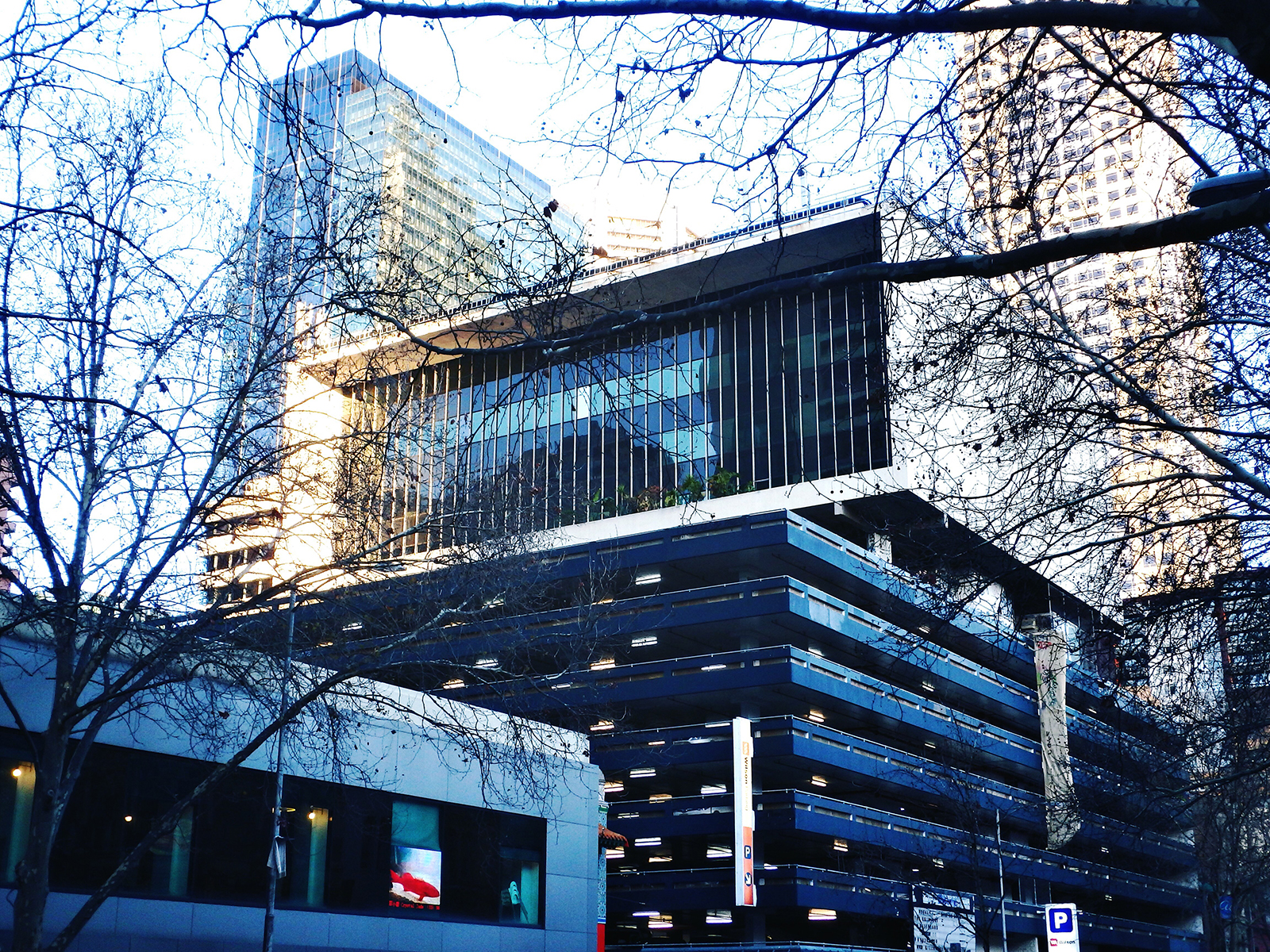
While home to fewer Brutalist buildings than rival capital Sydney, Melbourne nevertheless has a number of outstanding examples. Arguably, the most well-known of these is Total Carpark on Russell Street in the city centre, which for a number of years recently was under threat of demolition to make way for a garish, 70-storey skyscraper. (Fortunately, in part thanks to the relentless paladins of activist group Melbourne Heritage Action, the site is now protected by the city’s heritage register.) Designed by Bogle Banfield and Associates and completed in 1965, Total Carpark is an early expression of Japanese-style Brutalism, notable for its ‘floating’ office block on cantilevered supports above the seven storeys of the carpark itself, giving it a boxy appearance vaguely resembling an old-fashioned television set. Total Carpark also holds the historical honour of housing Melbourne’s very first nightclub in its basement, upon its opening in 1965: The Lido, a Parisian-inspired cabaret joint replete with scanty, feather-adorned costumes. Nowadays, that basement spot is occupied by popular live music venue Billboard, while the currently closed-off upper carpark levels are a favourite of skateboarders on weekends.

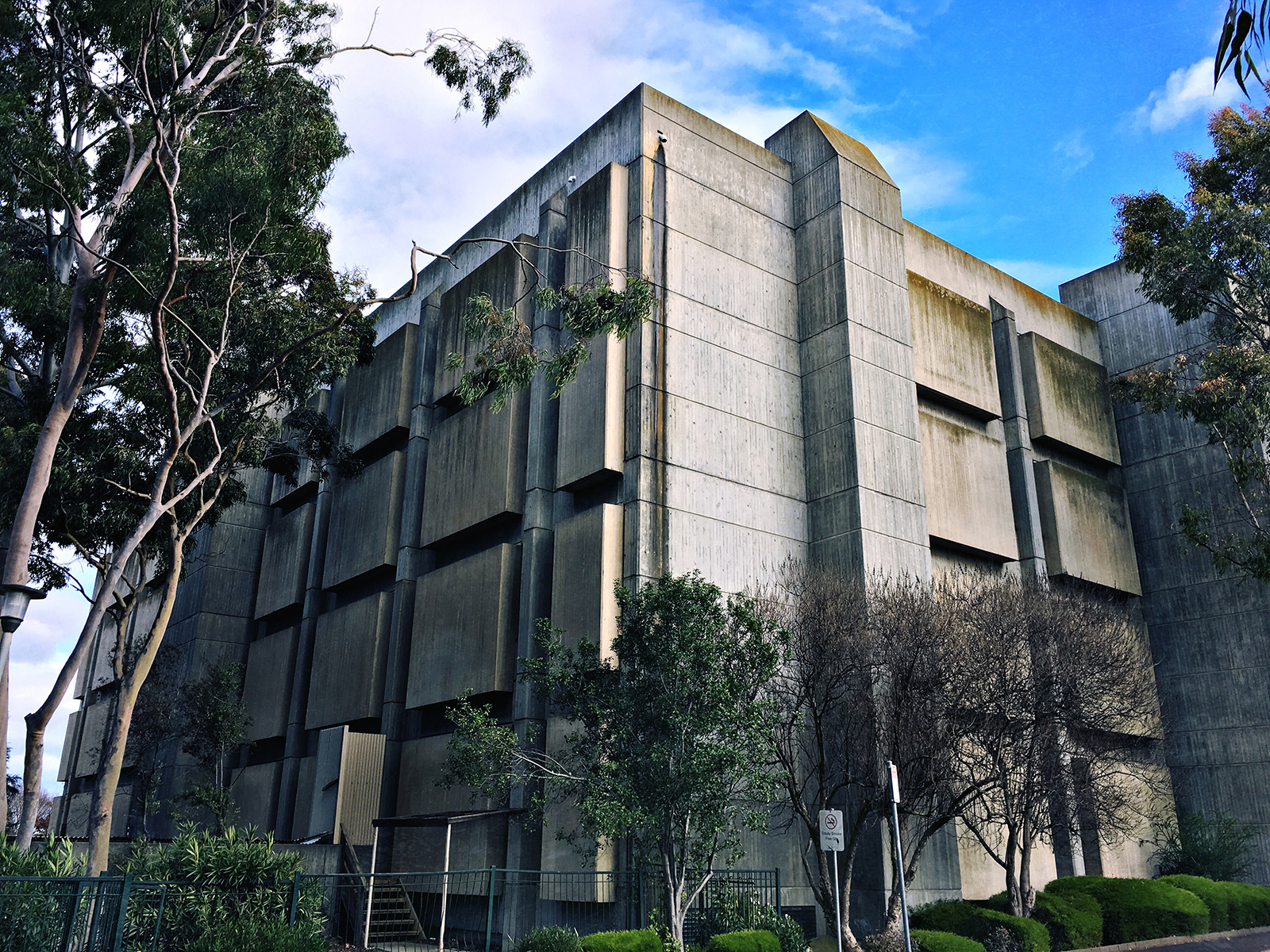
A little further from the city centre in the inner-west suburb of Footscray lies another prominent example of Melbournian Brutalism. The now-disused Footscray Psychiatric Hospital is a visually commanding and physically imposing structure, its dramatic appeal no doubt heightened by the emotive power of its history. Commissioned by the Department of Mental Hygiene in 1968 and eventually opened for use in 1977, the building’s designer remains unknown, further adding to its aura of intrigue. Externally, the building is almost entirely constructed from off-form concrete, with tall, narrow windows that are barely visible from the outside, giving the impression of a bleak and tenebrific interior. (In hindsight, Brutalism is probably not the best choice of architectural style for a mental health facility.) Although the hospital has been permanently closed since 1996, the building and its surrounds remain well cared for, while awaiting funding for refurbishment and reuse.

In stark contrast to the above, and in general to the imposing monoliths often associated with Brutalism, a considerable number of Melbourne’s Brutalist buildings actually tend to be on the diminutive side. Some examples, such as the Blackwood Street Bunker – a trichotomic office building just north of the city centre – are barely bigger than a large suburban house.

The Plumbers and Gasfitters’ Employees’ Union Building (PGEUB) in the inner-north suburb of Carlton is another such example of Melbourne’s smaller-scale Brutalism. Completed in 1971 and designed by well-renowned local architect Graeme Gunn, the building features an off-form concrete exterior with recessed side windows to reduce sun exposure, and has been structurally designed to allow for vertical expansion if required. Both PGEUB and the Blackwood Street Bunker have been praised for not only their striking, expressionistic forms, but for their emphasis on functionalism and circulation in their interior layouts, reinforcing Brutalism’s humanistic philosophy.

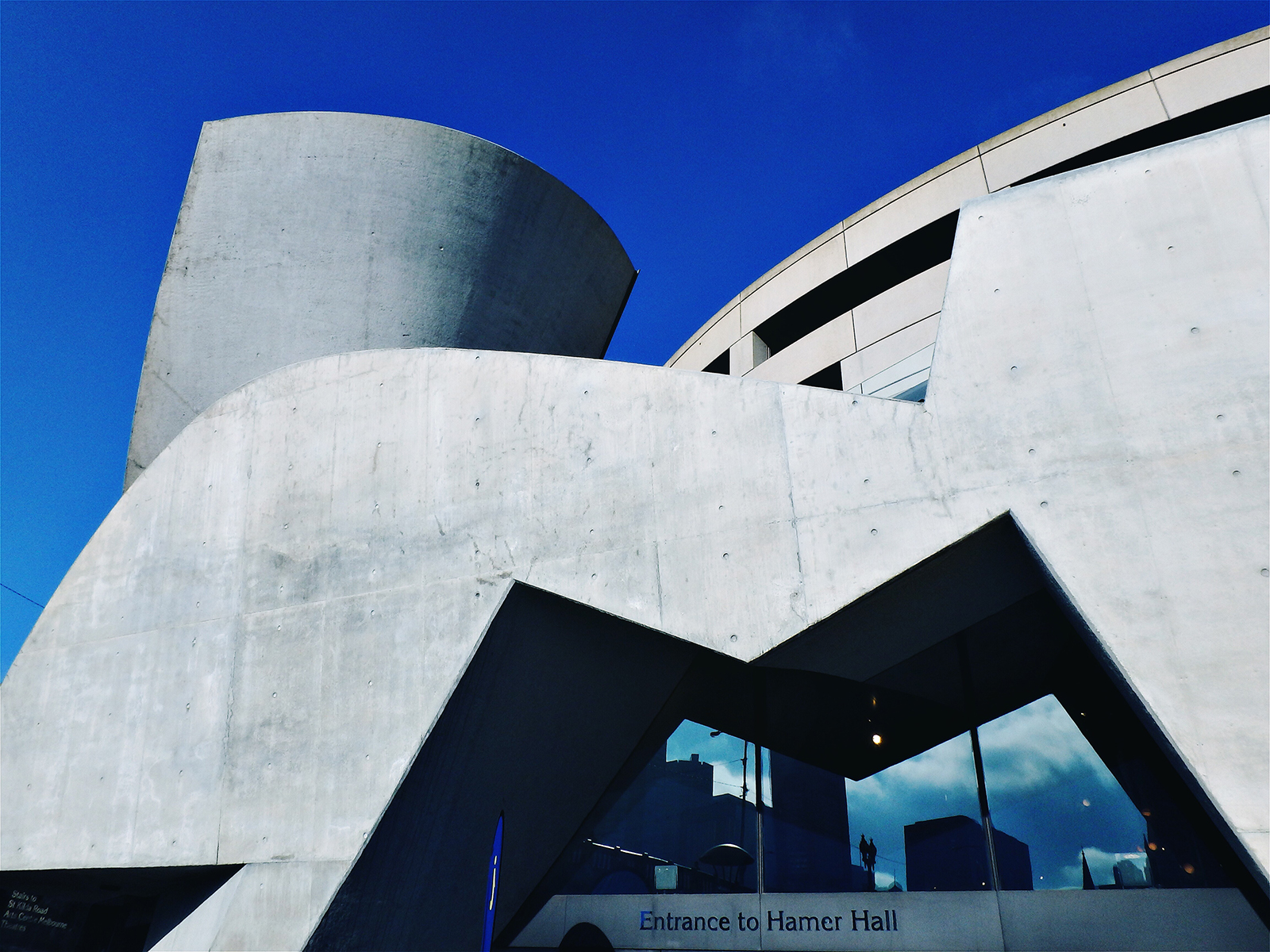
Reflecting the diverse and sometimes contradictory nature of Melbourne’s overarching architectural style, elements of Brutalism are sometimes incorporated within or alongside other Modernist sub-styles. Performing arts venue Hamer Hall (formerly Melbourne Concert Hall), situated on the promenade along the Yarra River at the junction of Southbank and the central business district, is one such amalgam. Originally designed by Australian Modernist architect Roy Grounds in the 1970s, with interior work completed by John Truscott following Grounds’ death in 1981, Hamer Hall features geometric, raw concrete forms at riverbank level, topped by a cylindrical rampart with large horizontal, recessed windows that create a striking glow by night. The unembellished sturdiness of its exterior, however, belies a thoroughly opulent interior that echoes Melbourne’s more classical architectural styles, recently refurbished by Ashton Raggatt McDougal (ARM Architecture): think plush vermilion carpets, illuminated sculptures made entirely from Swarovski crystals, and extensive use of gold leaf detailing.

A short stroll from Hamer Hall is Eureka Tower, a (mostly) residential skyscraper famed for being the tallest building in Melbourne, as well as one the tallest residential buildings in the world. Completed in 2006, the tower was designed by Fender Katsalidis, who described it as “a symbol of the transcendence of high density living over what has traditionally been the low suburban density mindset of Melbourne”. Named after and inspired by the Eureka Stockade, a rebellion instigated by gold miners during the Victorian Gold Rush in 1854, numerous elements of the building’s design directly reference its namesake’s history, such as the dark blue and white striped facade (reminiscent of the Eureka Stockade flag), and the gold cladding at the top of the tower, with a red stripe to represent the blood spilled during the revolt. For many visitors to the building though, history is of little interest: the appeal lies in the tower’s awe-inspiring stature, and the views from its 88th floor public observation deck.

Despite the city’s commitment to preserving its Victorian architecture, Melbourne has the tallest skyline in the country, with a vast number of high-rise buildings, mostly concentrated in the city centre. After a very short-lived initial “skyscraper boom” in the late 1880s that produced Melbourne’s first Victorian-style high-rise (the 12-storey APA Building, eventually demolished in 1980), there would be little interest in these types of structures until after the second world war. In 1958, Orica House (formerly ICI House), designed by Osborn McCutcheon, was unveiled as Melbourne’s first modern skyscraper, and is widely regarded as a significant catalyst of the high- rise boom that would drastically change the city’s skyline in the second half of the 20th century.

Designed in the International style and inspired by then-recently built glass skyscrapers in New York City, such as the United Nations Secretariat building, Orica House stood at more than double the previously imposed height limit, and with its uncompromising geometry and coruscant glass facade, was both visually arresting and an exciting symbol of progress and modernity. To all but a handful of conservative misoneists, Orica House signified the start of Melbourne’s transition into a thriving cosmopolis.

Less than a ten minute walk down Spring Street from Orica House lies Shell House, designed by Harry Seidler in 1989. Widely regarded as one of Australia’s leading Modernist architects since the late 1940s, by 1989 Seidler already boasted an impressive oeuvre of landmark buildings; however, Shell House marked the arrival of the first Seidler-designed skyscraper in Melbourne (the others all having been built in and around Sydney). Like his earlier commercial buildings in Sydney, such as Australia Square and the MLC Centre, Shell House features elegant curvilinear forms and neutral- toned granite cladding, with flexible interiors. Considered an outstanding example of later era Australian Modernism, Shell House remains the only Seidler-designed building in Melbourne’s city centre.

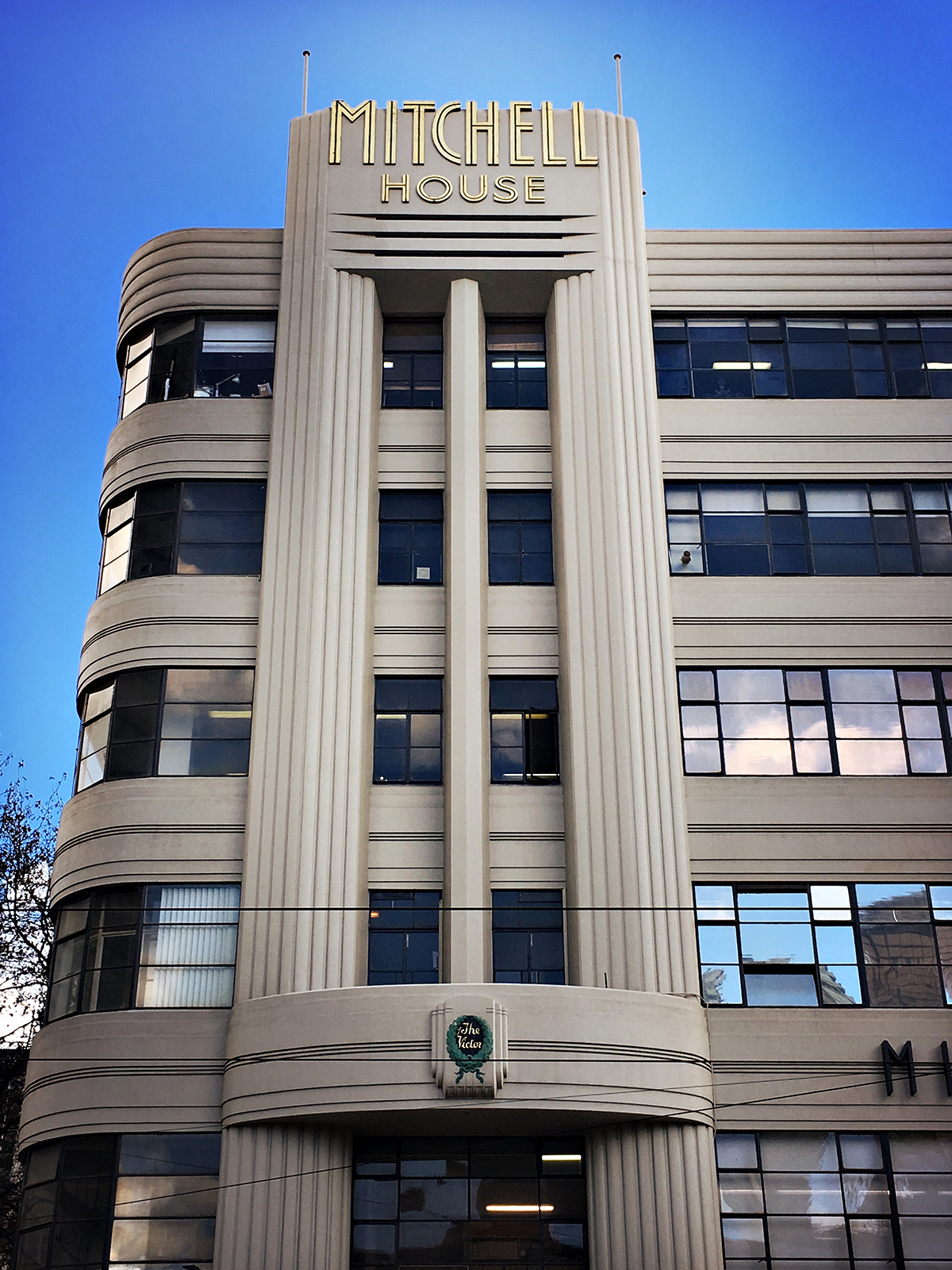
An early building that hinted at the penchant for curved forms that would later become an iconic element of Seidler’s style was Mitchell House, widely considered Melbourne’s finest example of Streamline Moderne. Designed by prolific Melbournian architect Harry Norris in 1937, six-storey Mitchell House is recognised for its strong horizontal lines, Art Deco lettering, and curved corner facade reminiscent of Eric Mendelsohn’s Mossehaus in Berlin. Now home to the likes of a record shop and collaborative space for creative freelancers (in addition to more traditional office spaces), Mitchell House’s sleek off-white exterior gives the building a timelessly modern feel despite now being 80 years old.

Since the start of the 21st century, architecture in Melbourne has increasingly prized creativity and the reinvention of older Modernist styles. A particularly excellent example of this can be found in Upper House, a 17-storey apartment block a few minutes north of the city centre, designed by Jackson Clement Burrows and completed in 2014. A striking fusion of influences from the International Style to Japanese Metabolism, the structure bears more than a fleeting resemblance to the Nakagin Capsule Tower – if it had been designed by Richard Meier. The varying depths at which the cubbyhole-style balconies protrude from their accompanying apartments gives the building a dynamic, three-dimensional appearance, and the brightness of the upper levels’ shiny, white curtain wall facade against the blue sky on a sunny day makes for a dazzling vision.

Environmental consciousness is another factor demanding increasing consideration when it comes to new building designs. In Melbourne, no building better exemplifies the current trend for combining environmental sustainability with a readiness to incorporate future enviro-technological advances than the RMIT Design Hub, designed by Sean Godsell and completed in 2012.

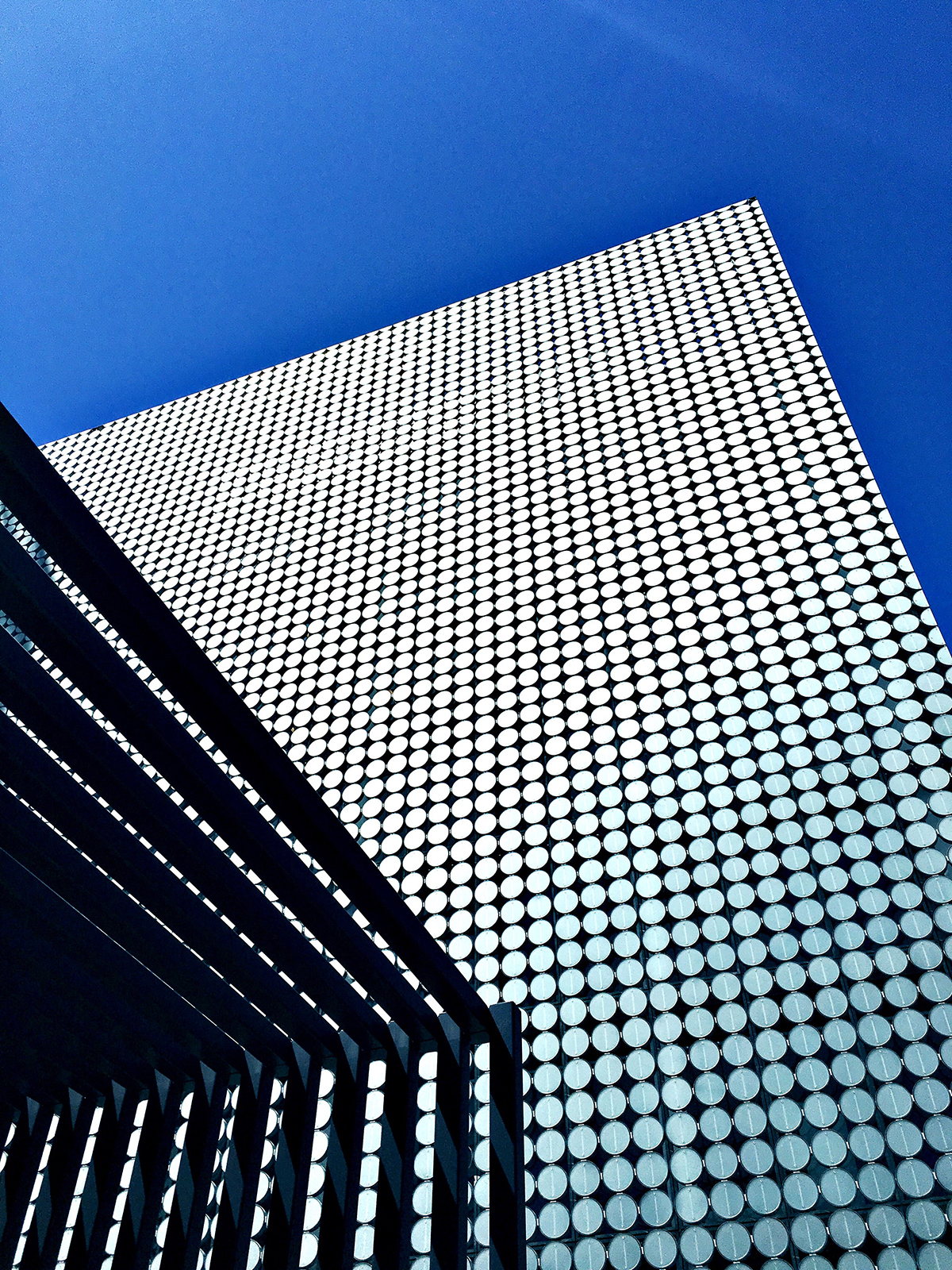
A multi-purpose research, studio and exhibition space of nearby university RMIT (Royal Melbourne Institute of Technology), the Design Hub is notable for its facade comprised of over 17,000 rotatable, sandblasted glass discs: a climatically responsive “smart skin” which adjusts the discs’ rotation to shade the building’s interior. As of 2017, many of the discs are being replaced with updated versions that incorporate photovoltaic solar cells, in the hope of eventually being able to harvest enough solar energy to power the building entirely. In the meanwhile, the Design Hub’s sheer size, and the dizzying repetition of its circular patterned facade, at least make for an arresting visual presence.

The combination of striking appearance and emphasised functionality is a unifying feature of many of Melbourne’s Modernist buildings from the past half-century, however varied their individual styles. From late 1950s International Style skyscrapers to state of the art, high-tech design, the city’s architectural eclecticism has contributed to a growing appreciation of Melbourne as a progressive and vibrant metropolis, of considerable interest to Modern architecture enthusiasts.

Posted in Architecture
Tagged: melbourne, modernism, published works