Recent Posts

Florence and the machinations of performative feminism

Medusa strikes back! ....unnecessarily, and at the wrong person

From Paris with love

Interview: Hitting the heart of Johnny Marr

Adventures in Modernist Melbourne

Categories
  • Architecture
  • Art
  • Film
  • Literature
  • Music
  • Travel


Tags

architecture ; art ; art exhibitions ; david sylvian ; feminism ; films ; france ; French cinema ; Hokusai ; inspiring people ; interview ; Israel ; Japanese art ; Jerusalem ; Johnny Marr ; melbourne ; modernism ; mythology ; Paris ; philippe garrel ; photography ; published works ; Robert Mapplethorpe ; travel


Archives

► November 2020
► October 2020
► August 2019
► November 2018
► February 2018
► November 2017
► October 2017
All posts tagged: photography

From Paris with love

August 24, 2019

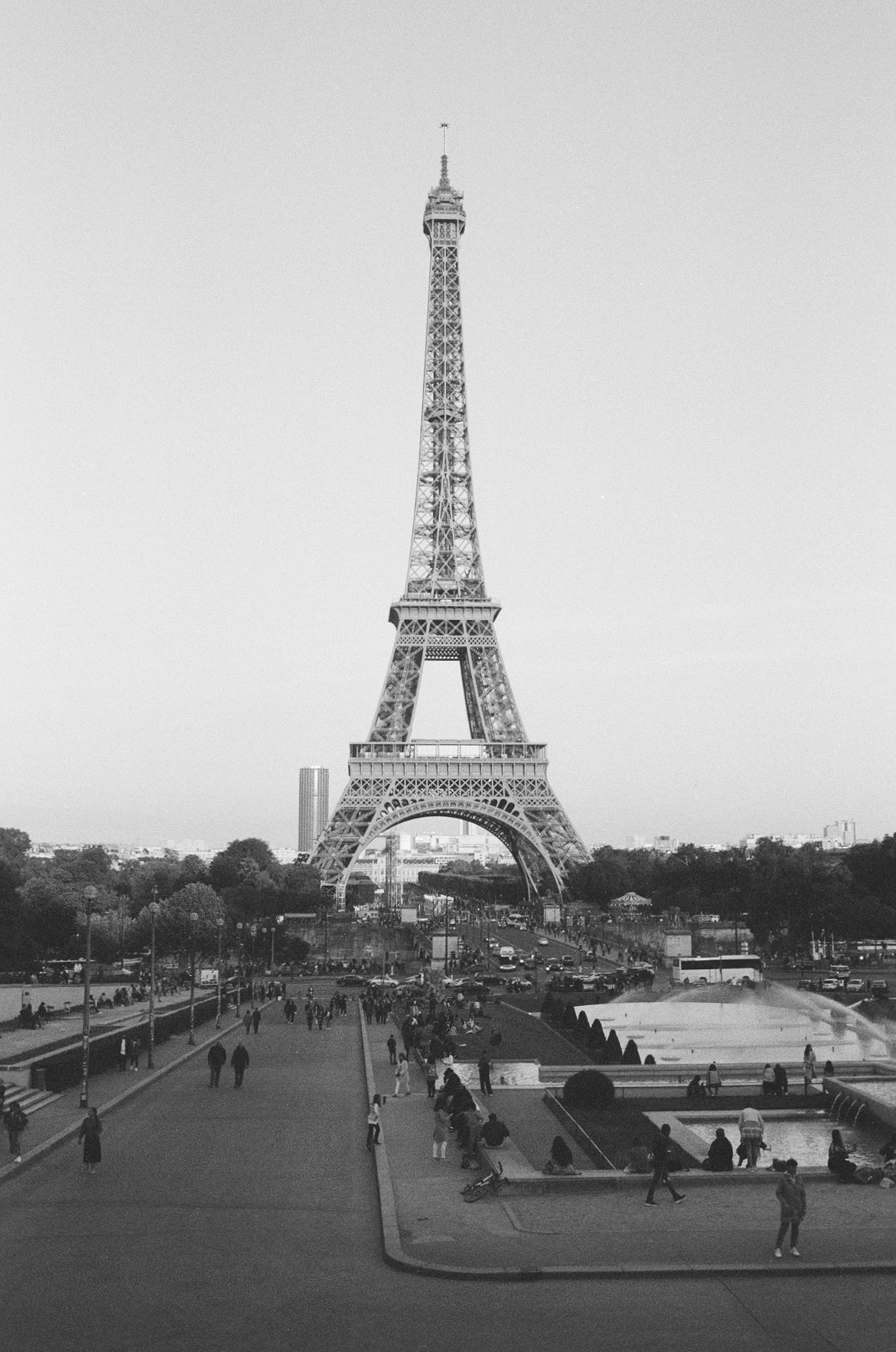
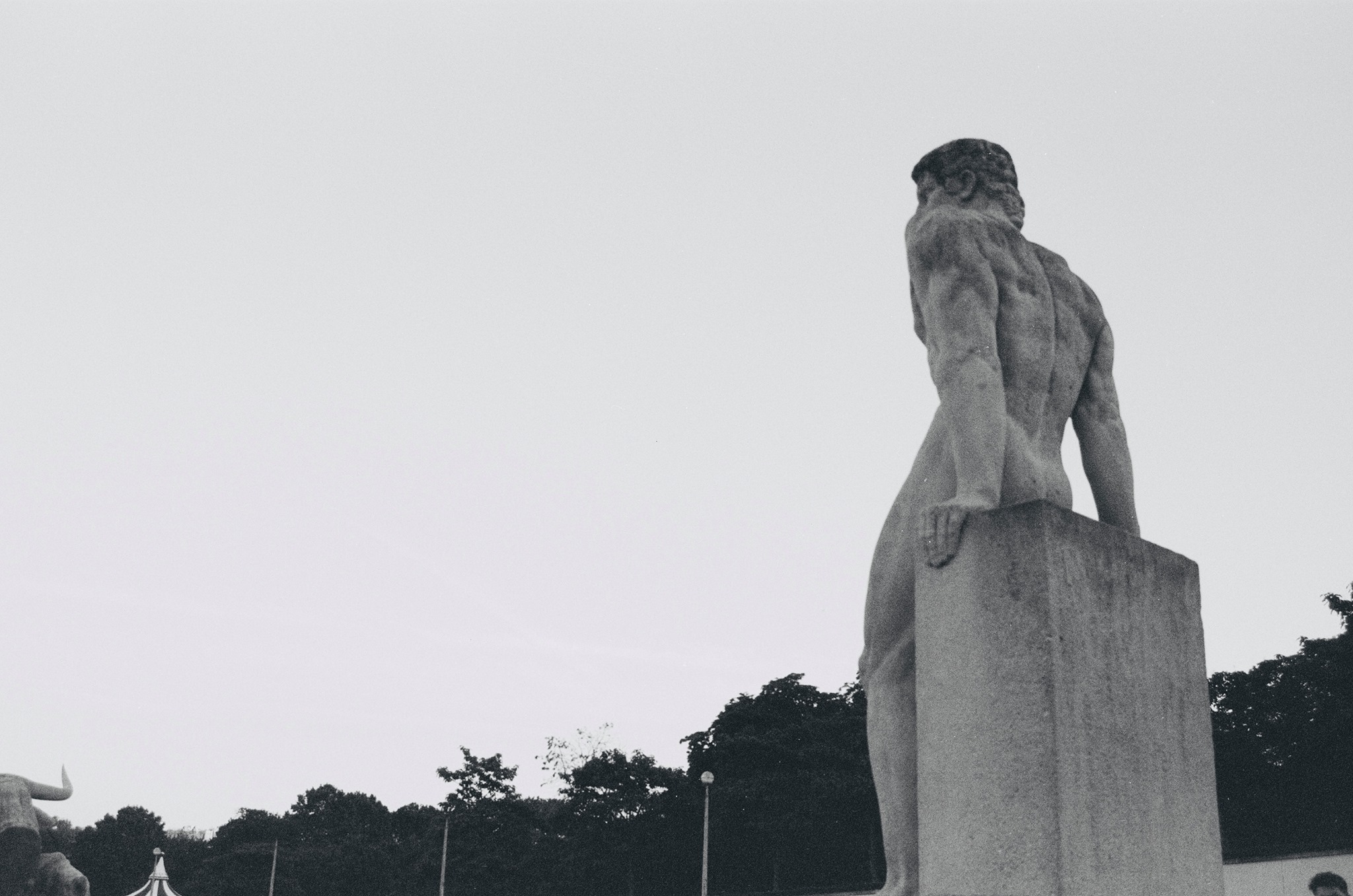
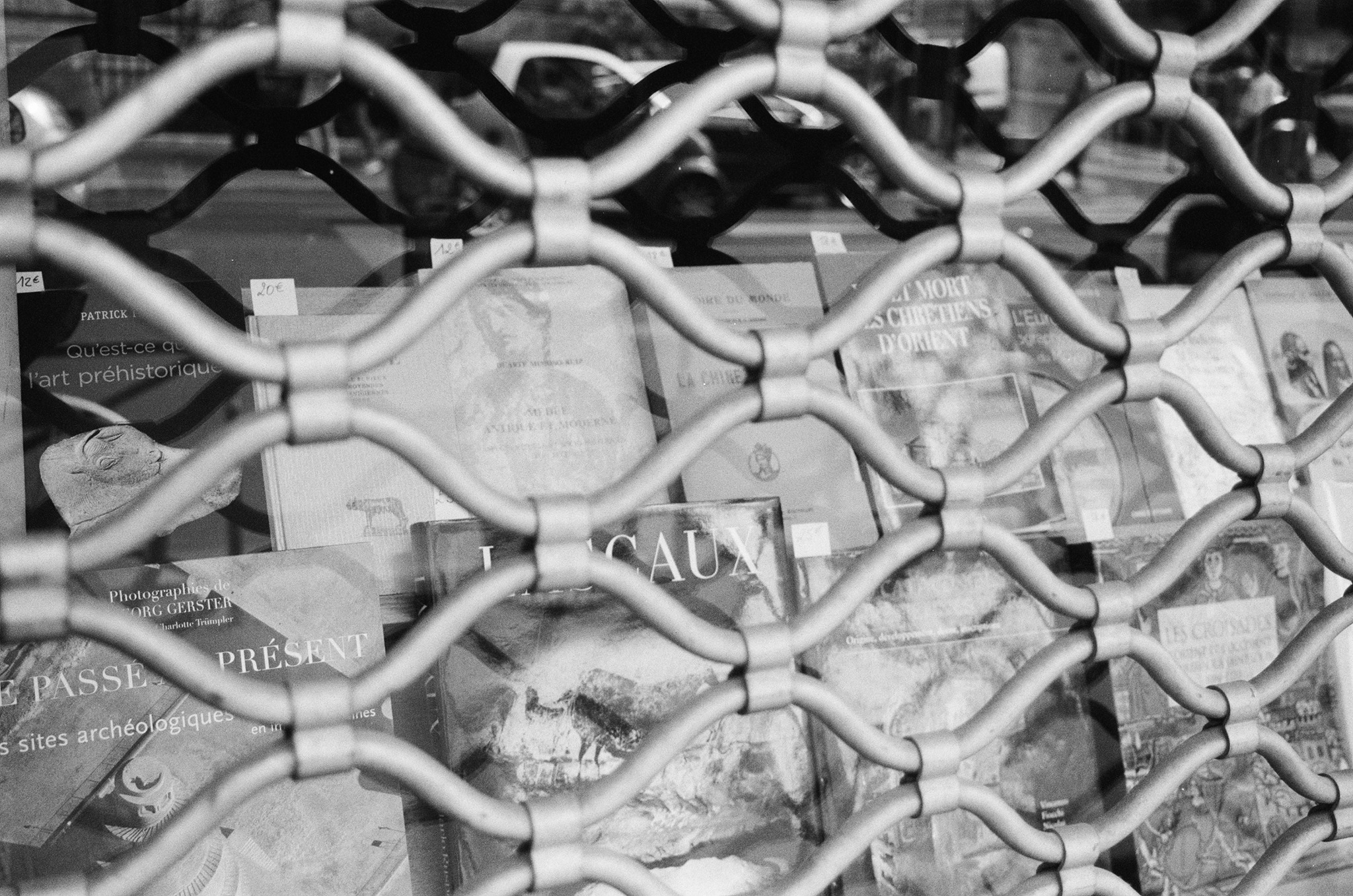
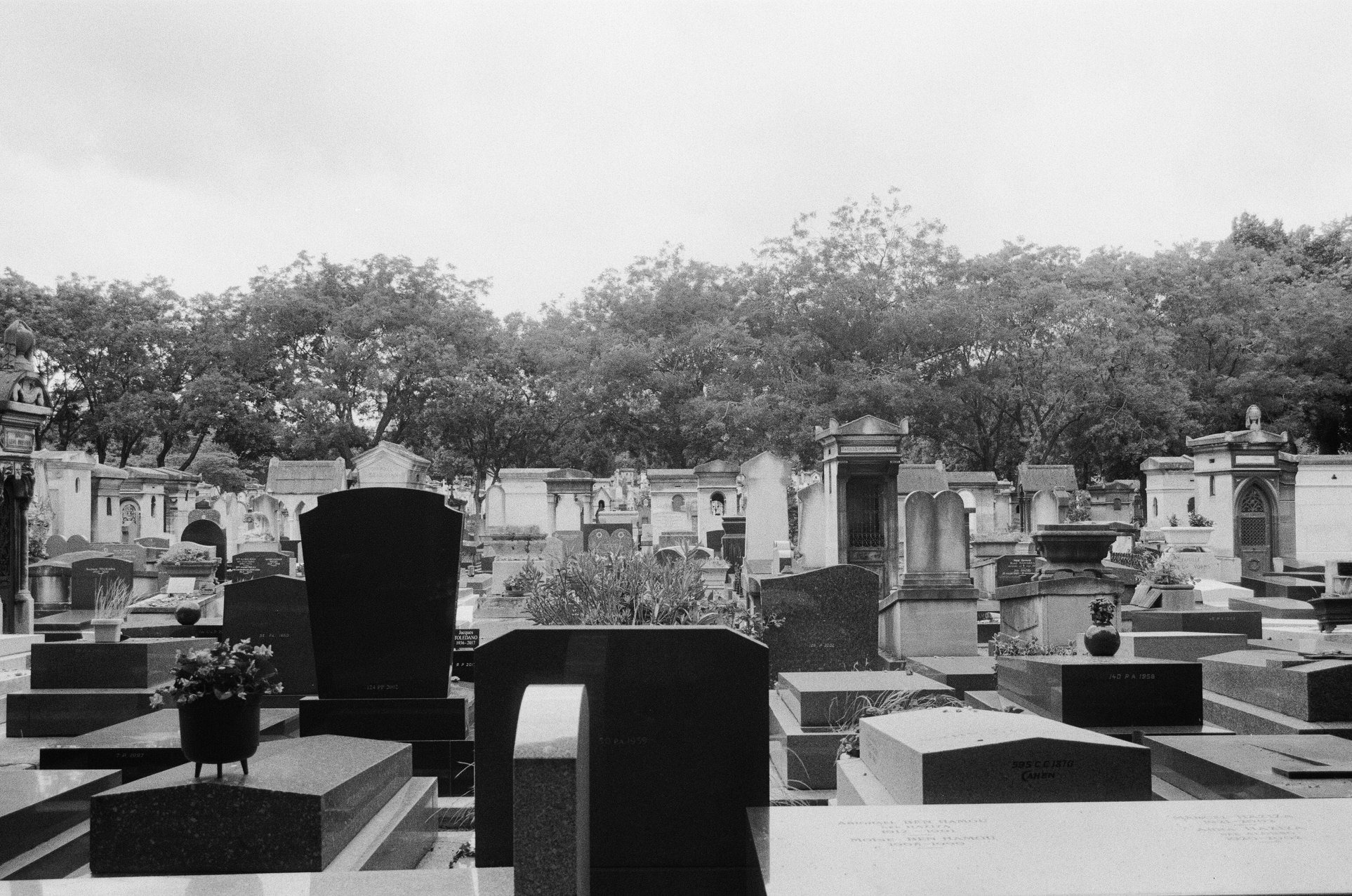
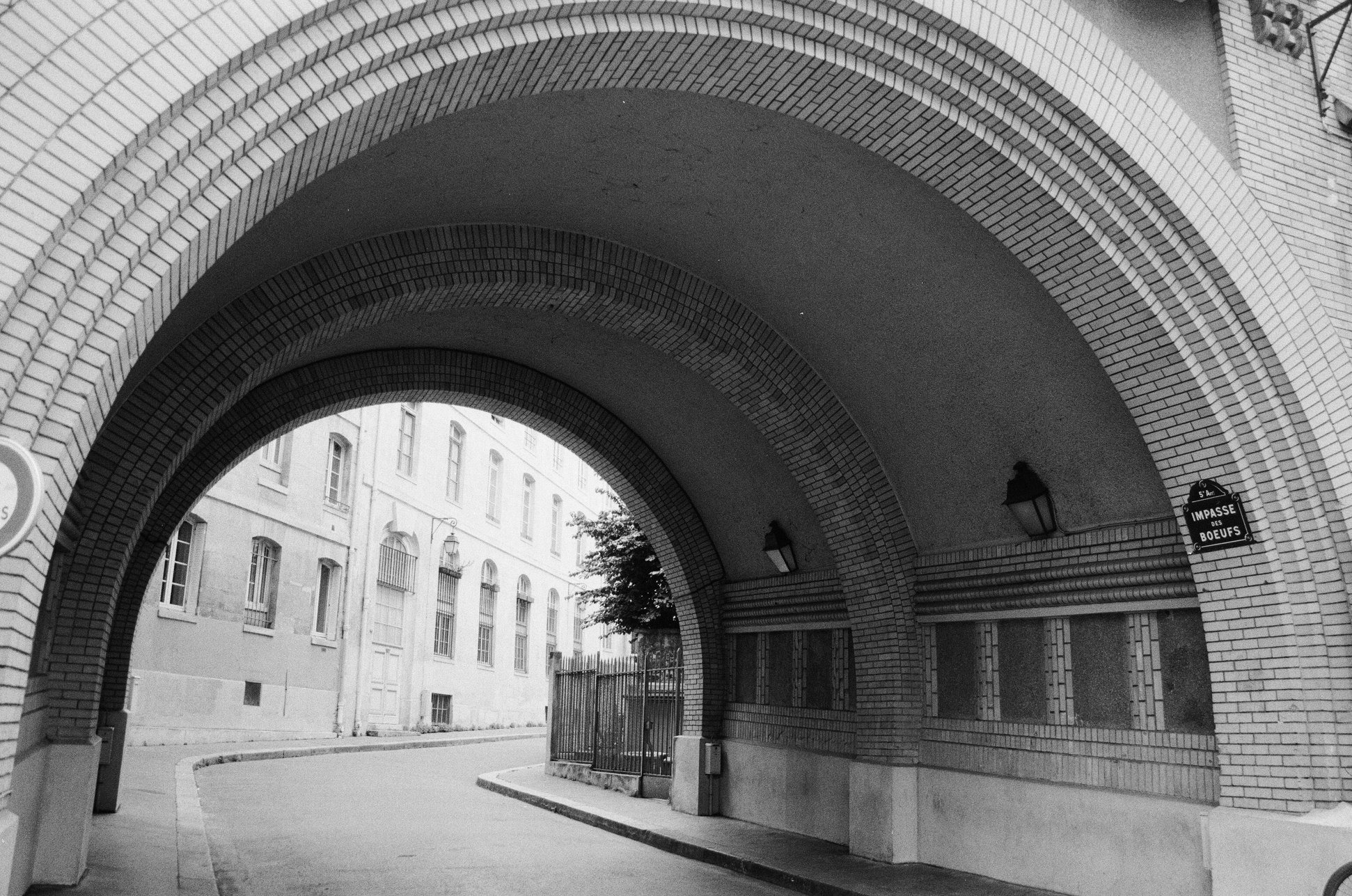
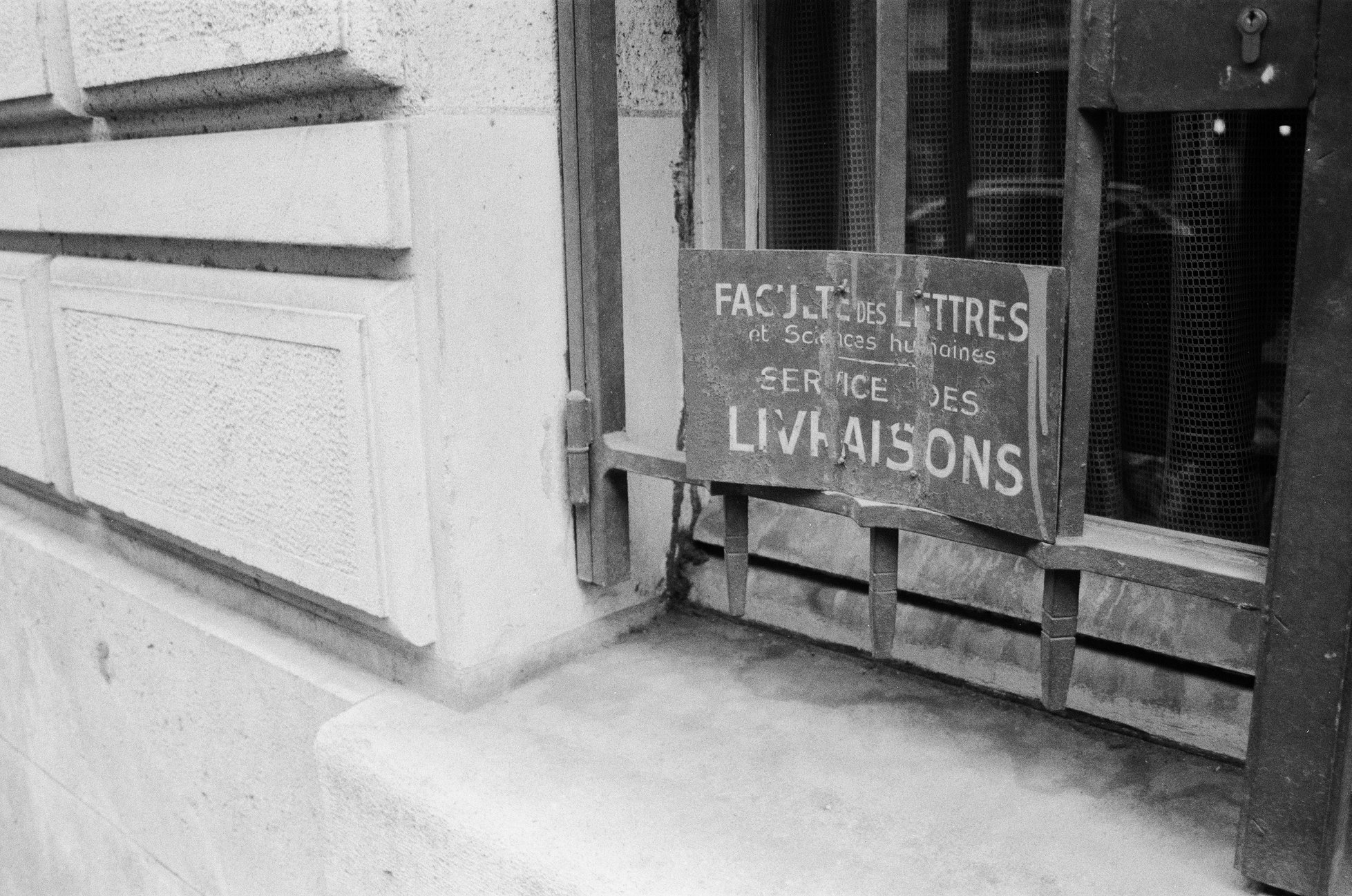
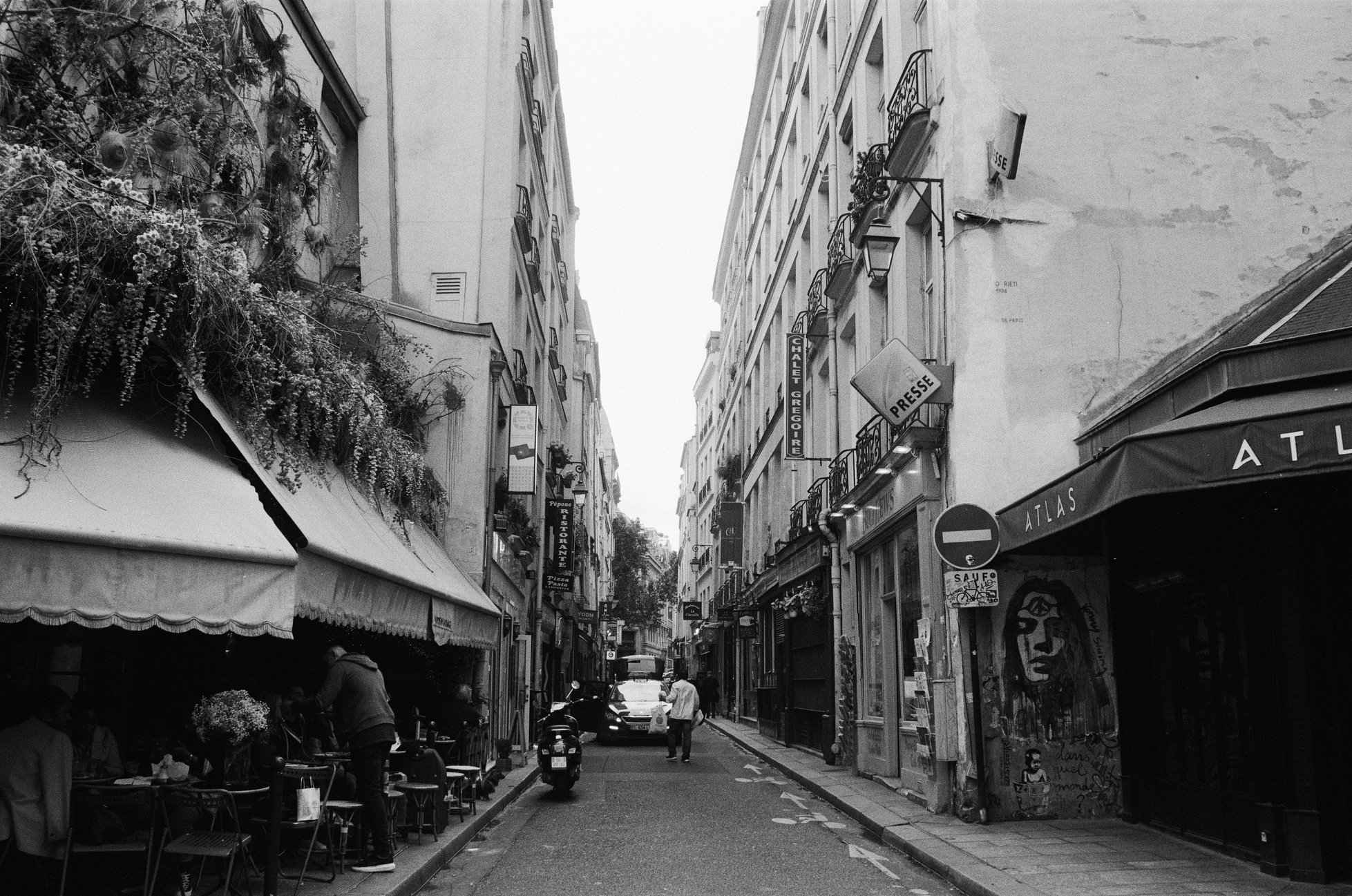
A few shots from my trusty old film camera when I was in Paris last month for work, on Lomography Earl Grey 100 film.

Posted in Travel
Also tagged: france, Paris, travel

The unholy ruins of Binyan Clal

February 20, 2018

If you thought Ramot Polin would have been the dystopian highlight of my trip to Jerusalem, that’s  just because I hadn’t mentioned the Clal Centre yet.

What is it that attracts us to unsettling environments, and in particular, architectural dereliction? Joann Greco, writing about The Psychology Ruin Porn, cites the implied romance, nostalgia, wistfulness, and the provocative nature of abandoned places, as well as themes of time, nature, mortality, and disinvestment. I’d concur that most of that holds true for the Clal Center’s eerie appeal. The only difference is: the Clal Centre isn’t actually abandoned.

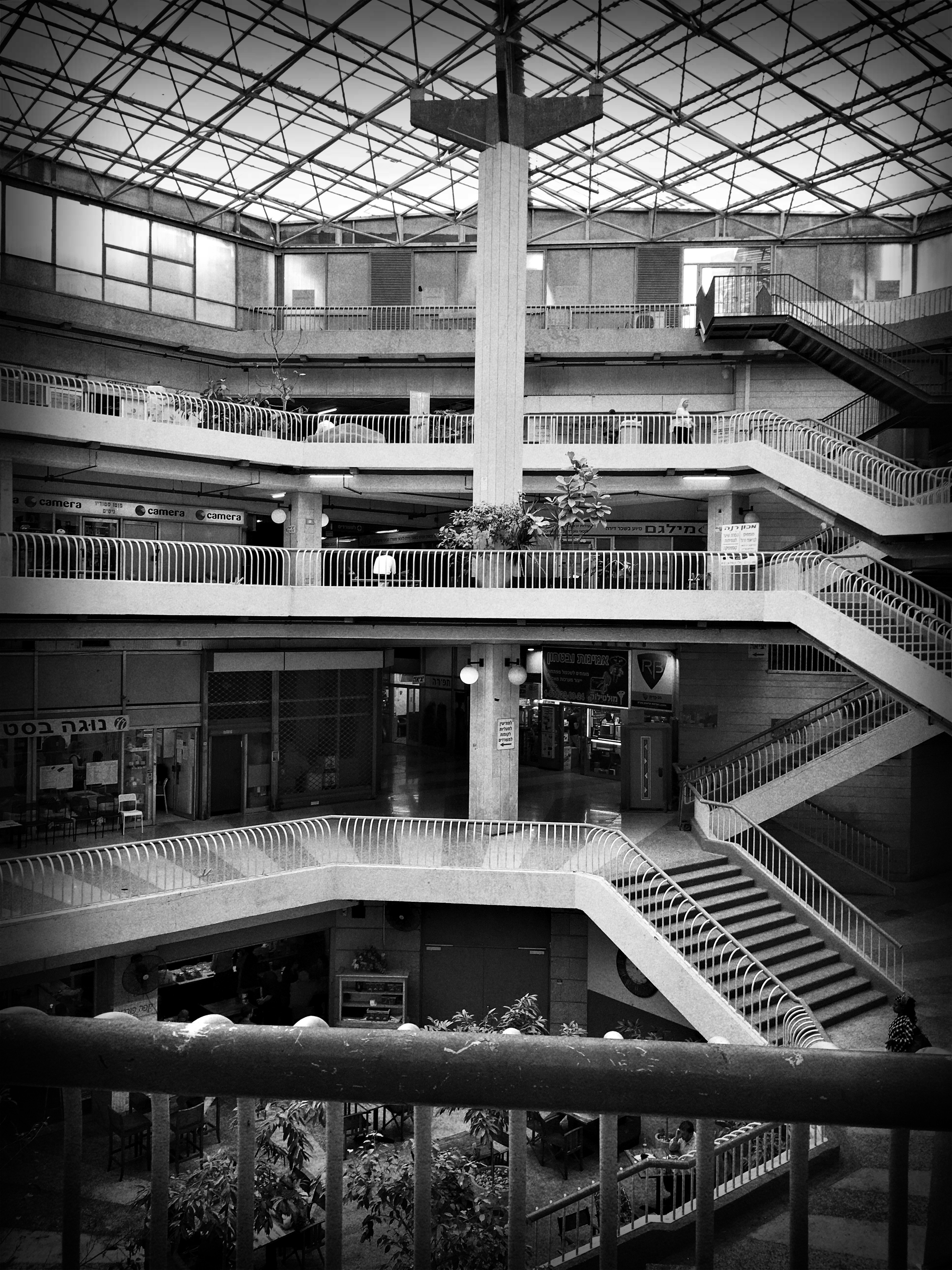
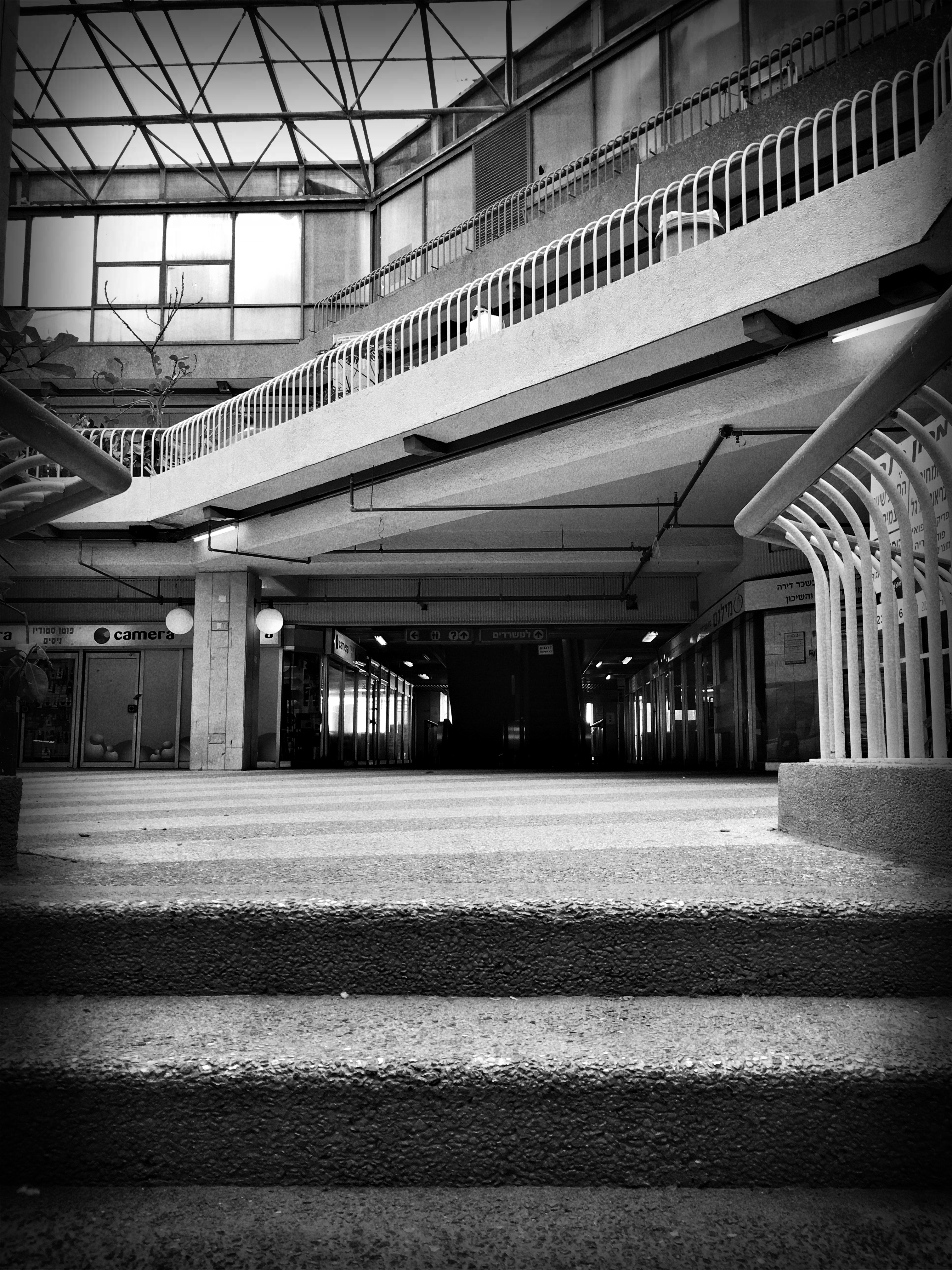
Built in the 1970s, the Clal Centre, also known as Binyan Clal (בנין כלל), was Jerusalem’s first major indoor shopping mall, and for the next decade or so was occupied by a large number of privately owned shops and offices, including those associated with government agencies. By the 1990s though, many of the centre’s occupants had moved or gone out of business, largely due to the relocation of government offices to the nearby Givat Ram neighbourhood, and shoppers’ preference for the admittedly much brighter and less intimidating-looking Malha Mall.

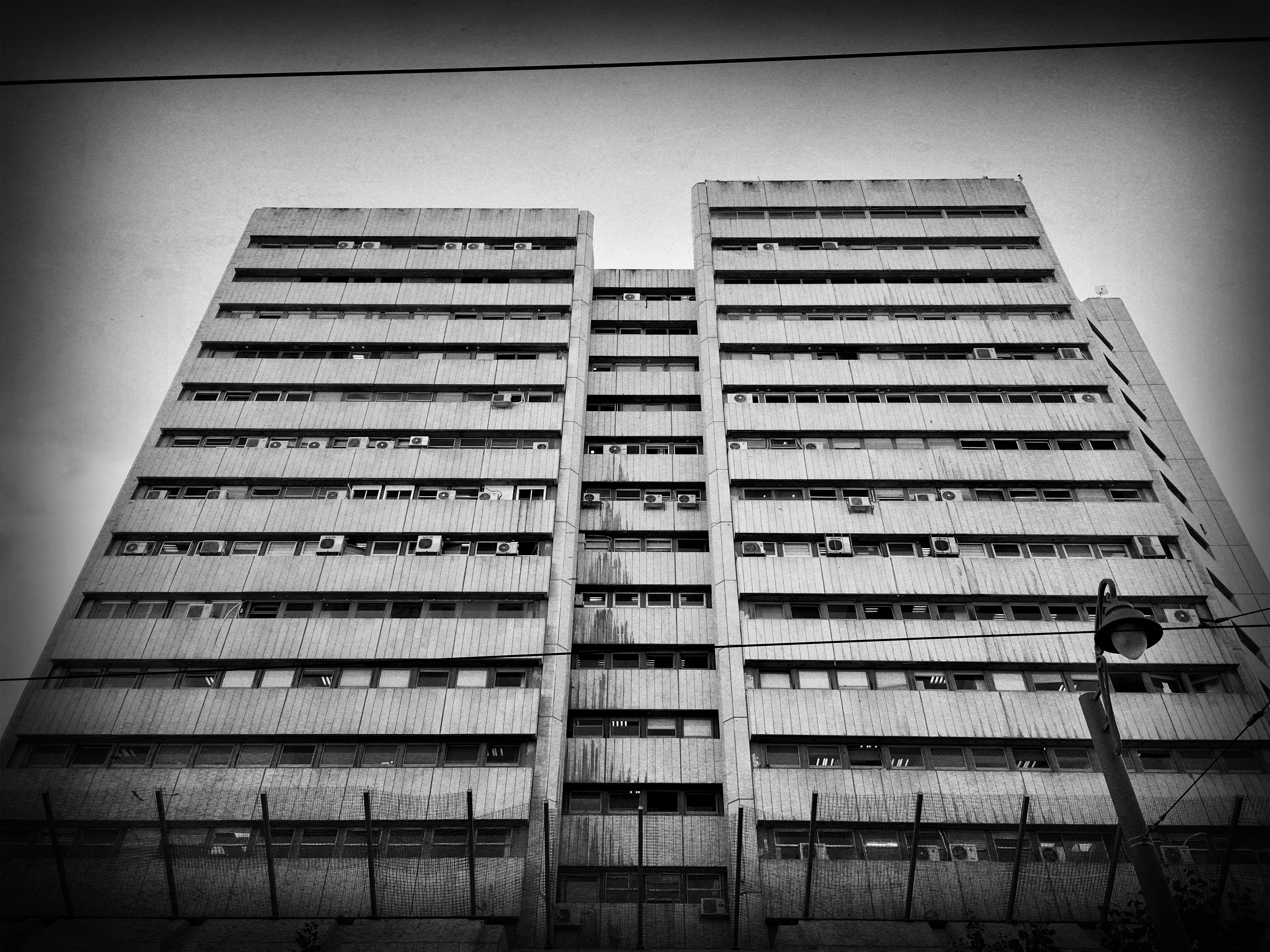
The Clal Centre’s reputation for being a suicide hotspot (so much so that safety nets had to be installed around the building’s exteriors, due to the number of people leaping to their deaths from the upper levels) didn’t help either, nor did circulating rumours that a criminal gang had murdered one of their rivals and covertly buried the body in the building’s concrete foundations. Some believe the Clal Centre to actually be haunted.

Stepping inside, it’s not difficult to understand why.


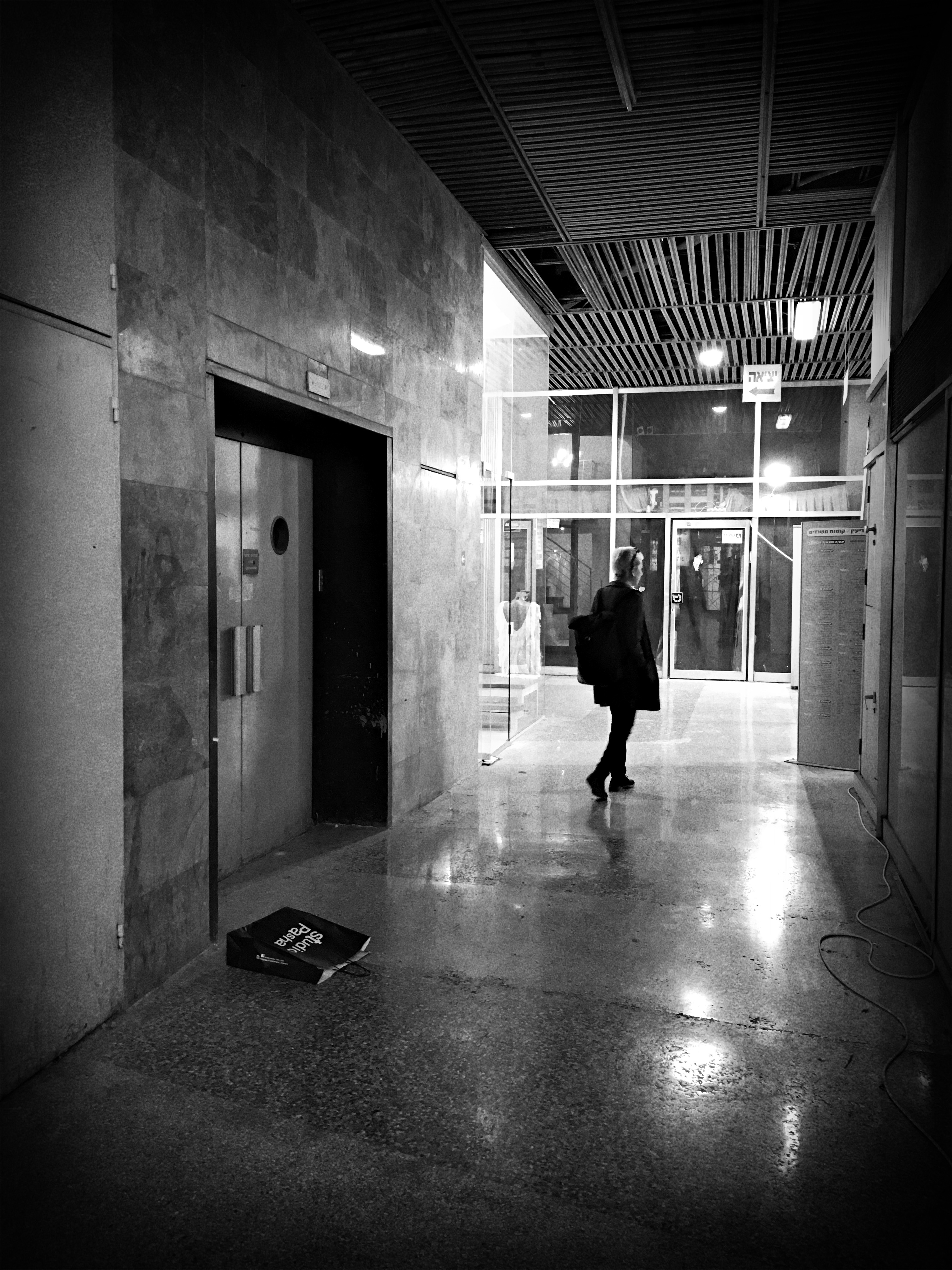
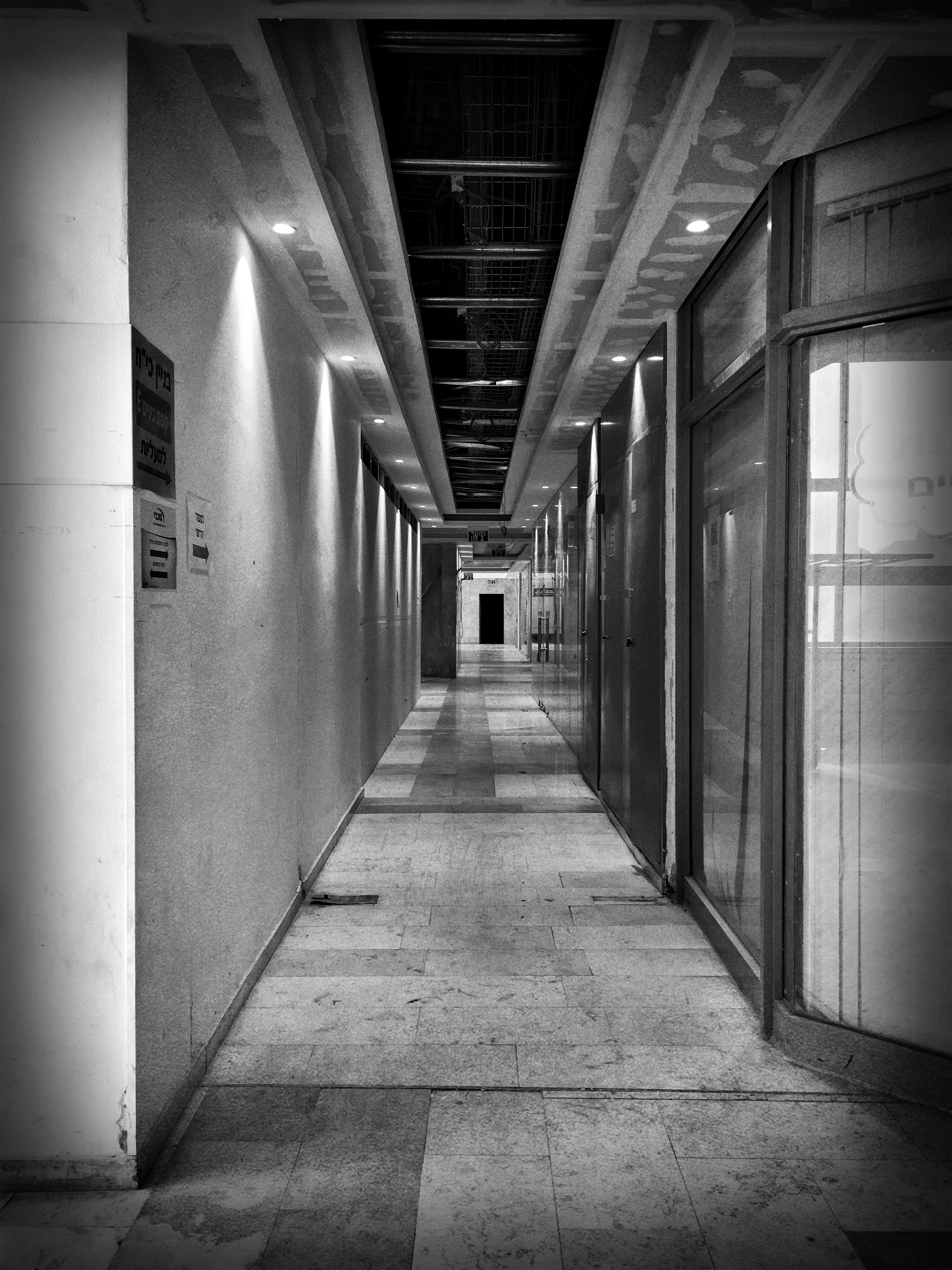
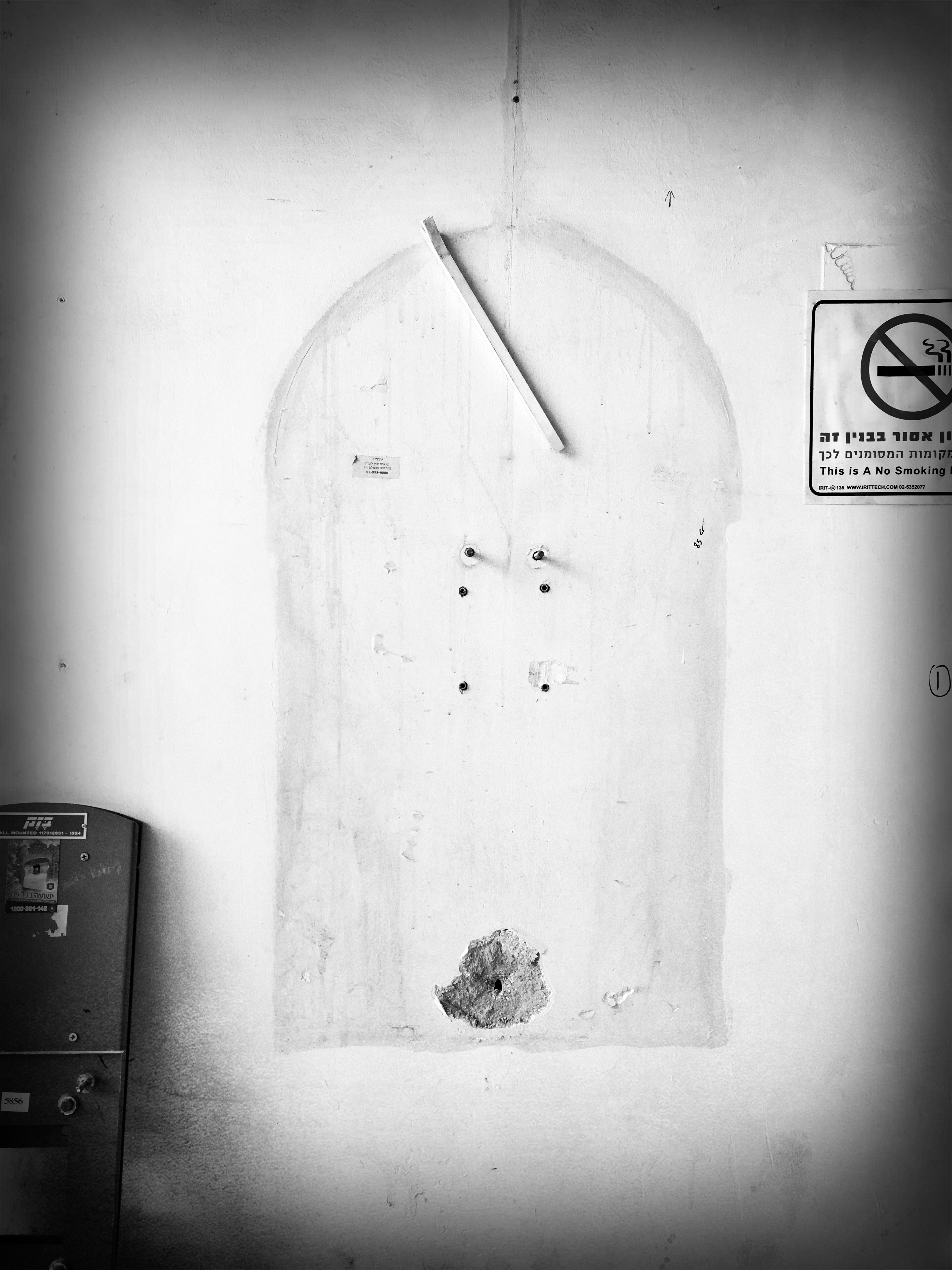
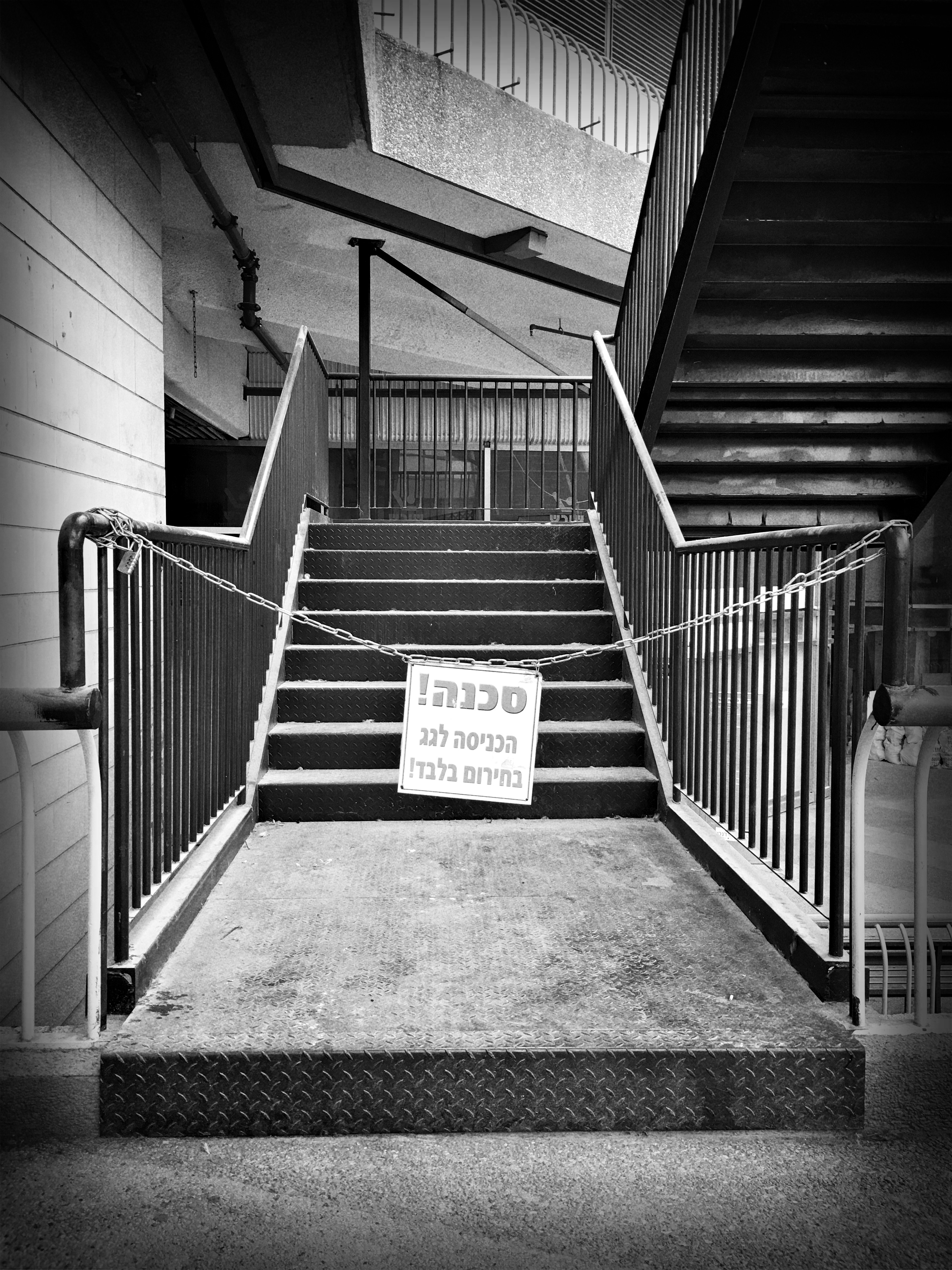
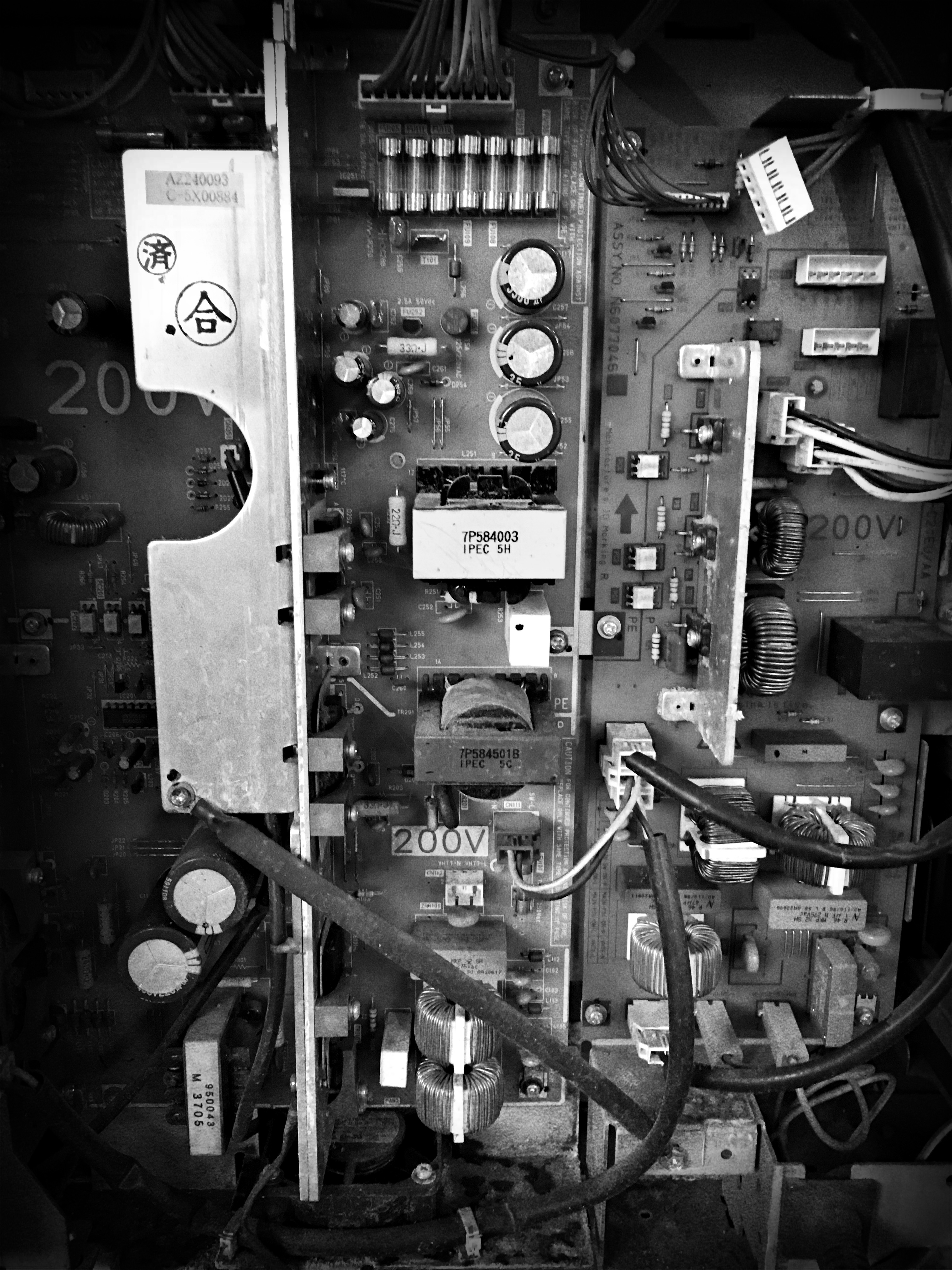
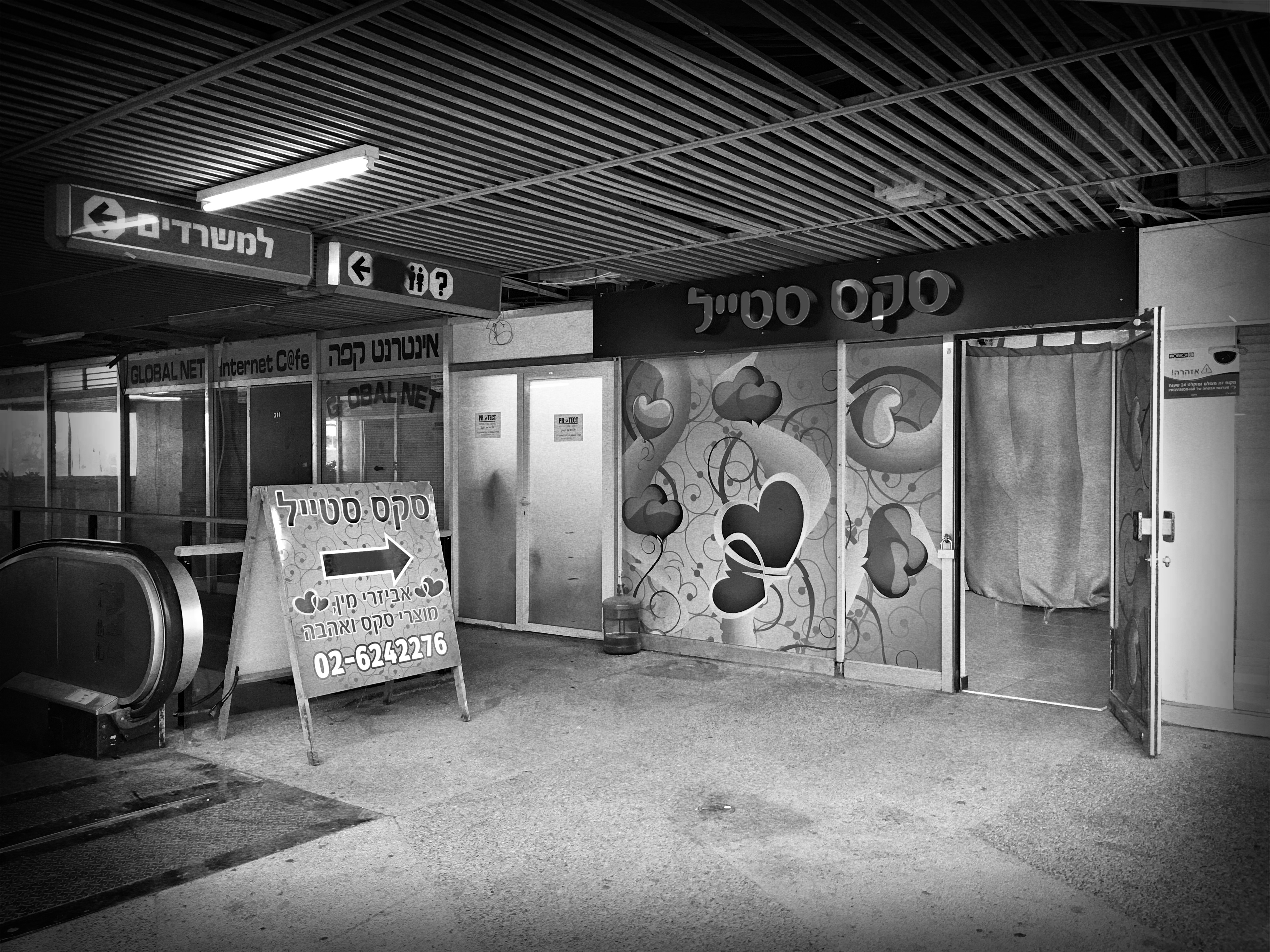
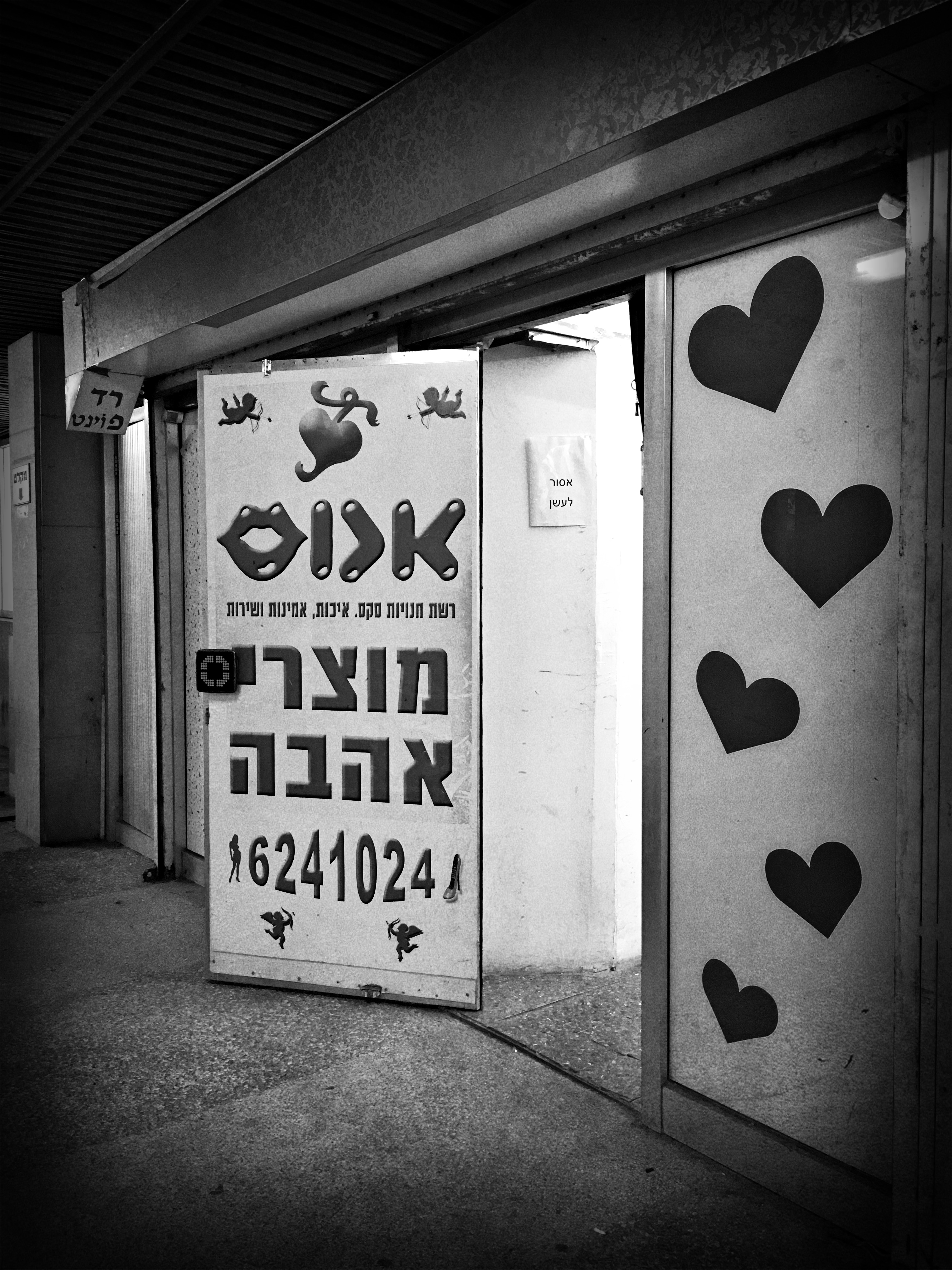
The rationale for the Clal Centre’s unique brand of eeriness lies in its straddling the boundary between the benign and the ominous. It’s not abandoned, but neither could it be said that it’s really operational, at least not in the traditional sense. The Clal Centre is in a coma. The small handful of shops that remain seem run-down, and a number of them happen to be sex shops, adding an edge of seediness to the centre’s already grim and creepy atmosphere. The ruins of shops that were abandoned without actually being cleaned out beforehand scatter about the periphery of the building’s otherwise cavernous hallways. A broken photocopier covered in tumbling piles of books and manuals collects dust outside of what presumably was once an office; nearby lies a pile of debris including more broken machinery, tangled wires and a ripped down Venetian blind. Around the corner, a male mannequin stands alone in an otherwise empty corridor full of closed shops, wearing a t-shirt but no trousers. The escalators are no longer operational, and although I’m not sure about the status of the elevators, I wouldn’t take my chances even if they were. Oddly, there’s virtually no graffiti inside. But it sure is grimy.

My friend and I encounter roughly ten people throughout the whole building in the hour that we were there, and this is at lunch time on a Tuesday. It all starts to feel quite apocalyptic.


What could be done with the Clal Centre now? The Muslala Arts Collective has some ideas. The group has taken to renovating the building’s top floor and rooftop as a communal green space with an organic urban farm and organic beehives, a dance and yoga space, café, and reading corner. A playground is also in the works. It’s a noble endeavour – but only time will tell if it’s enough to save the Clal Centre.

Posted in Architecture, Travel
Also tagged: architecture, Israel, Jerusalem

Secrets of an architectural Beehive

February 18, 2018

Whenever I travel, exploring a city’s architecture is always a top priority. I love modernism. I love inventiveness. In a nutshell: the weirder and more creative a structure is, the more likely I am to be fascinated by it.

The first half of my (far, far, far too short) trip to Israel last November had been spent in Tel Aviv, The White City, where I’d been mesmerised by a multitude of sleek Bauhaus-style buildings, shielded my eyes from the coruscant gleam of the Azrieli Towers in the midday sun, and stood in awe beneath the arches of the brutalist Great Synagogue on Allenby Street. Even the eerie, derelict central bus station seemed to have a certain charm about it.

In Jerusalem, I was a Proper Tourist, and spent a good portion of my time in the Old City with my best friend, a native Jerusalemite who kindly indulged my wide-eyed curiosity. We took the tour at the Tower of David, returned in the evening for the light show, and wandered through the markets, shopping for the perfect Hamsa to take back home. I went to the Western Wall, pressed a note into the cracks and cried, despite not being a religious person. I ate too much Halva, and have the cavities to prove it. Compared to Tel Aviv, Jerusalem seemed a city seeped in history and culture, rather than a modern architecture enthusiast’s playground.

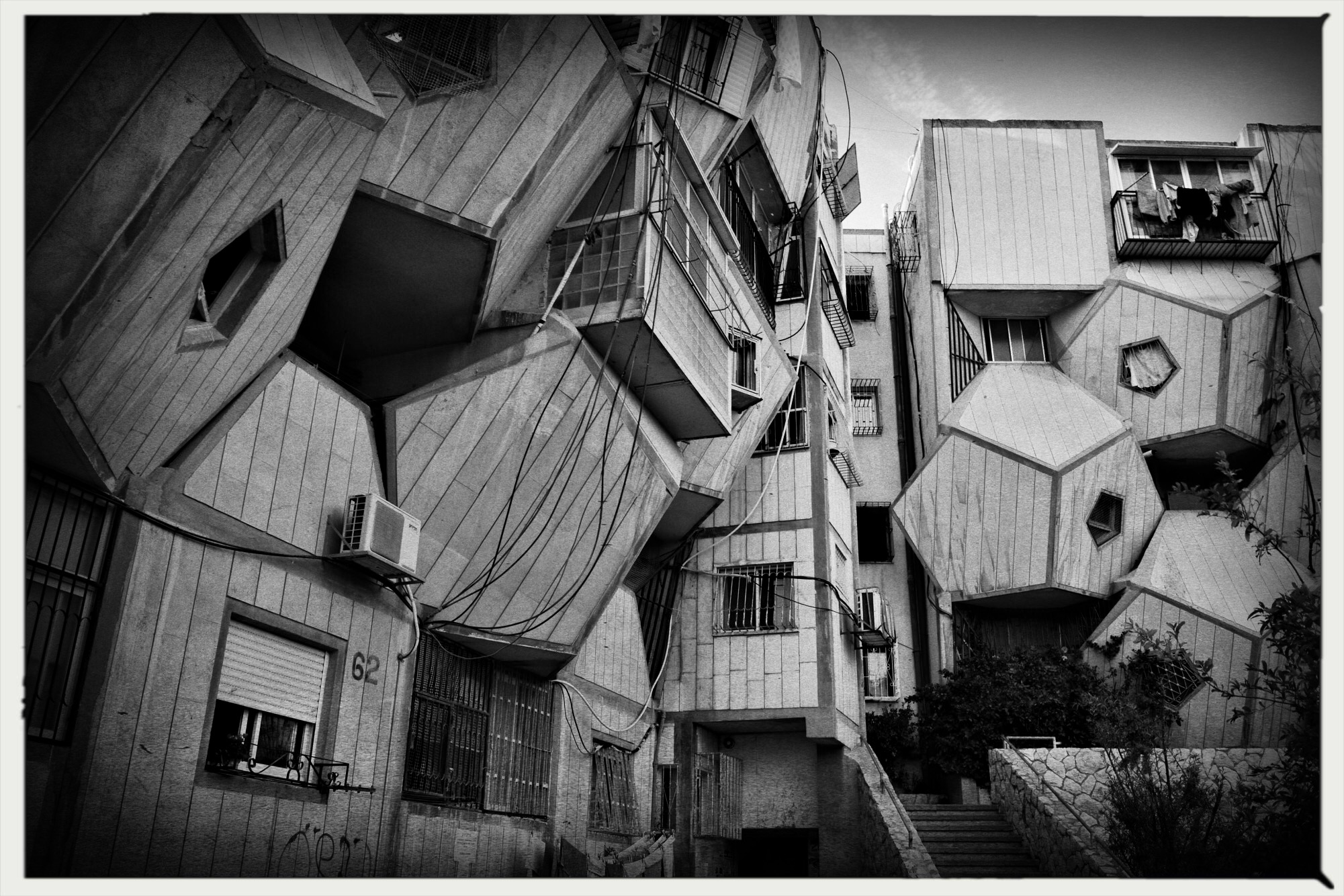
But then I remembered Ramot Polin, a bizarre-looking housing project designed by Israeli architect Zvi Hecker in the aftermath of the Six Day War. And so we hailed a taxi, my friend explaining to the bewildered cabbie, in Hebrew, where it was we wanted to go. I held up my camera for him to see in the rearview mirror, in an attempt at a mute explanation why.

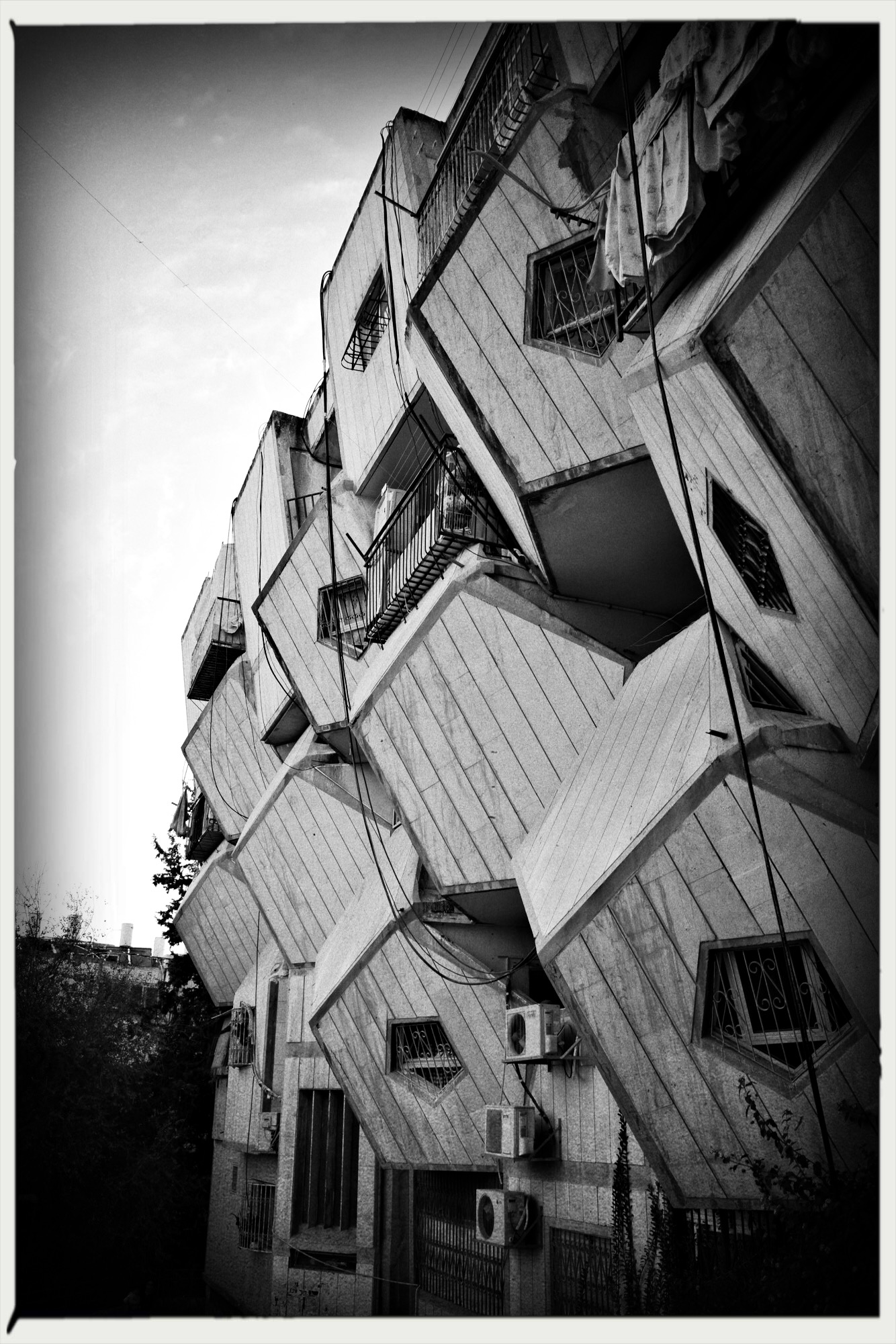
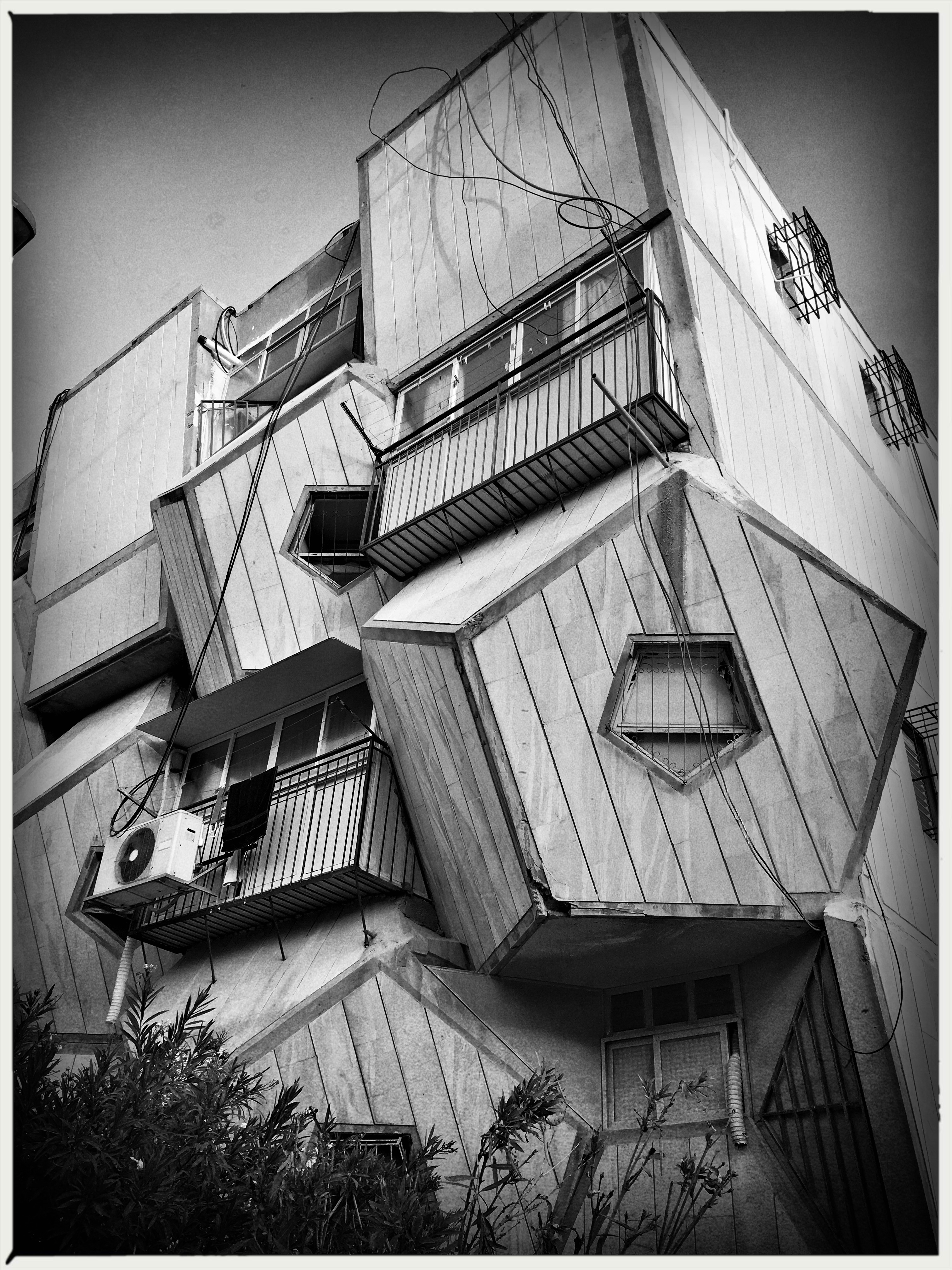
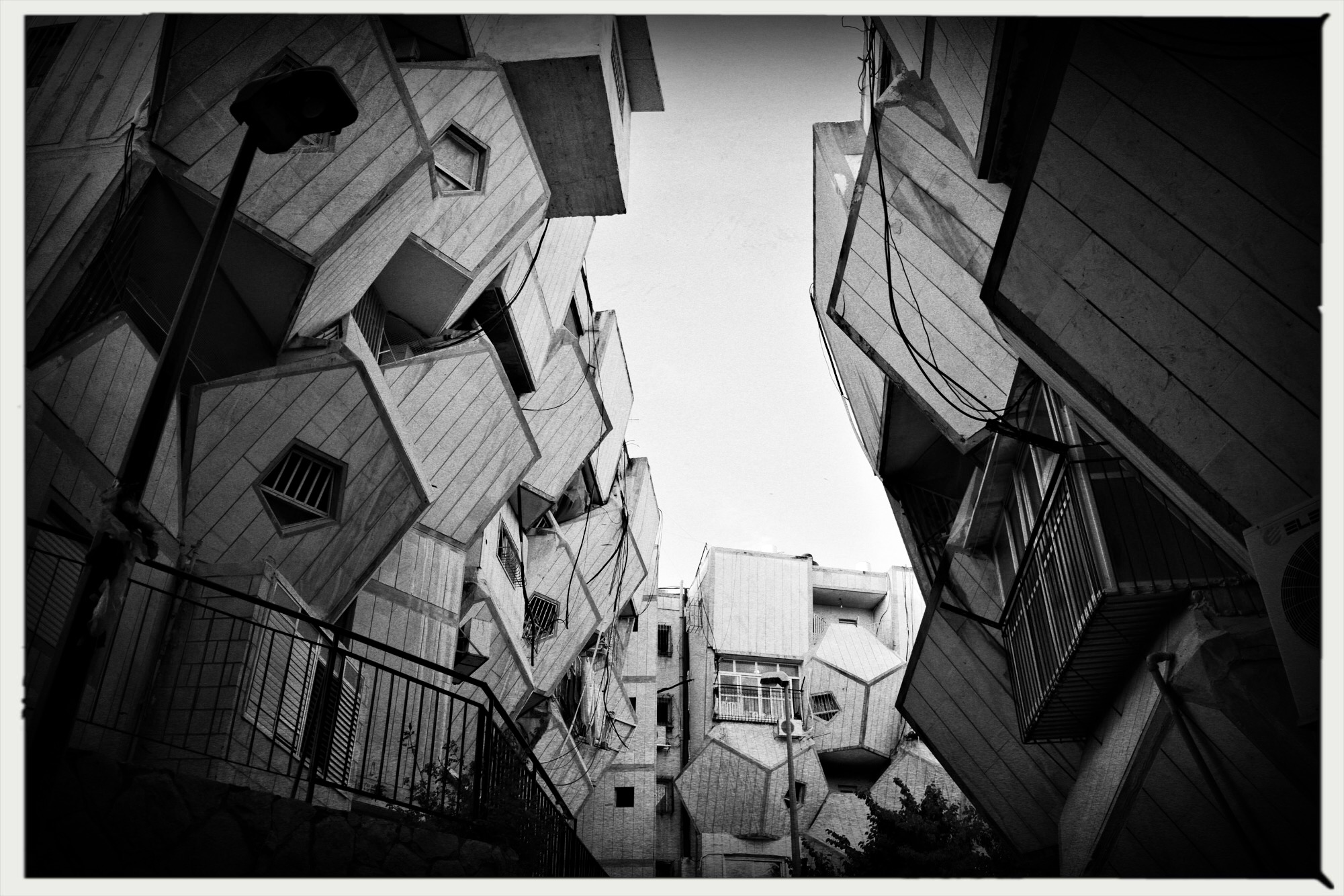
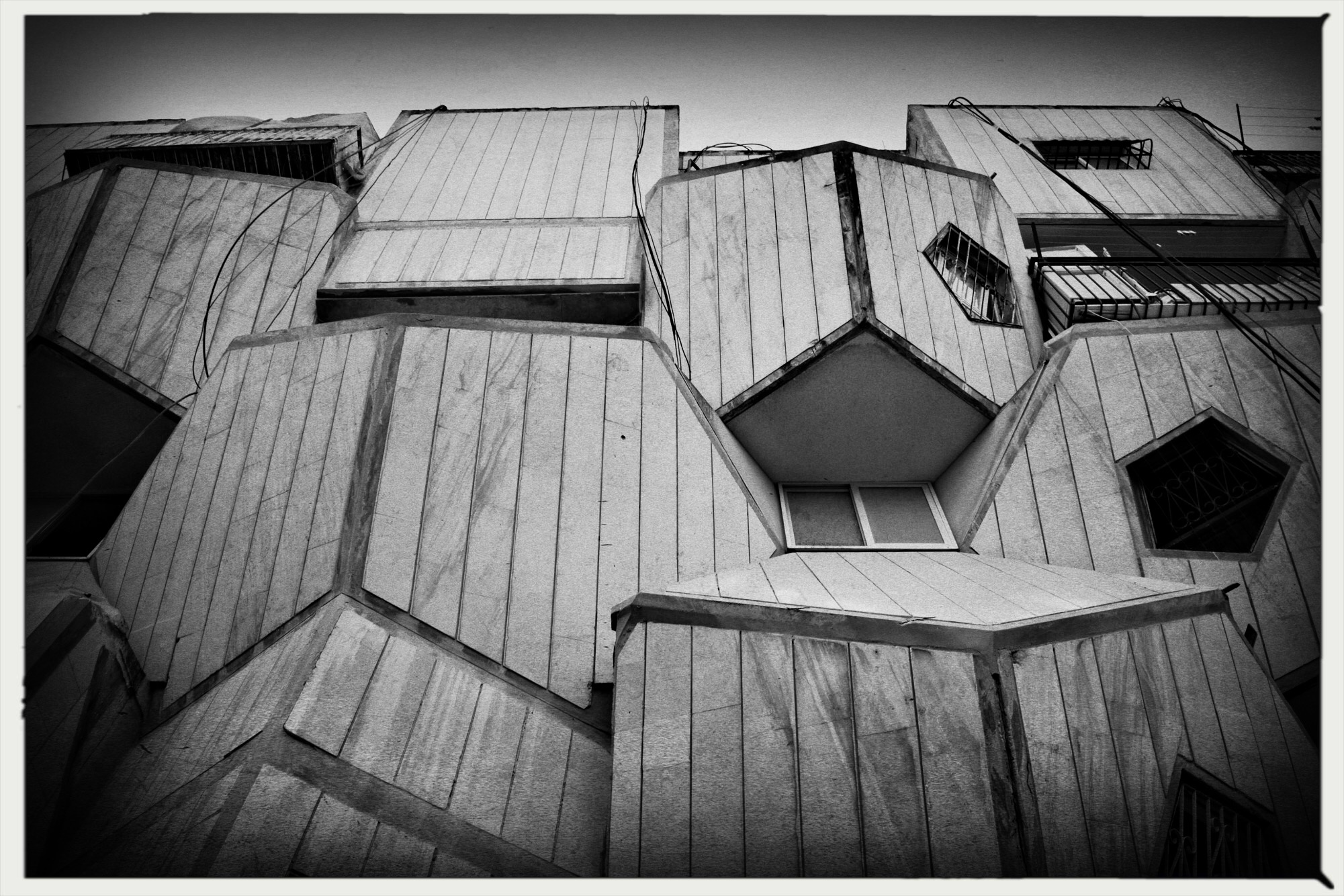
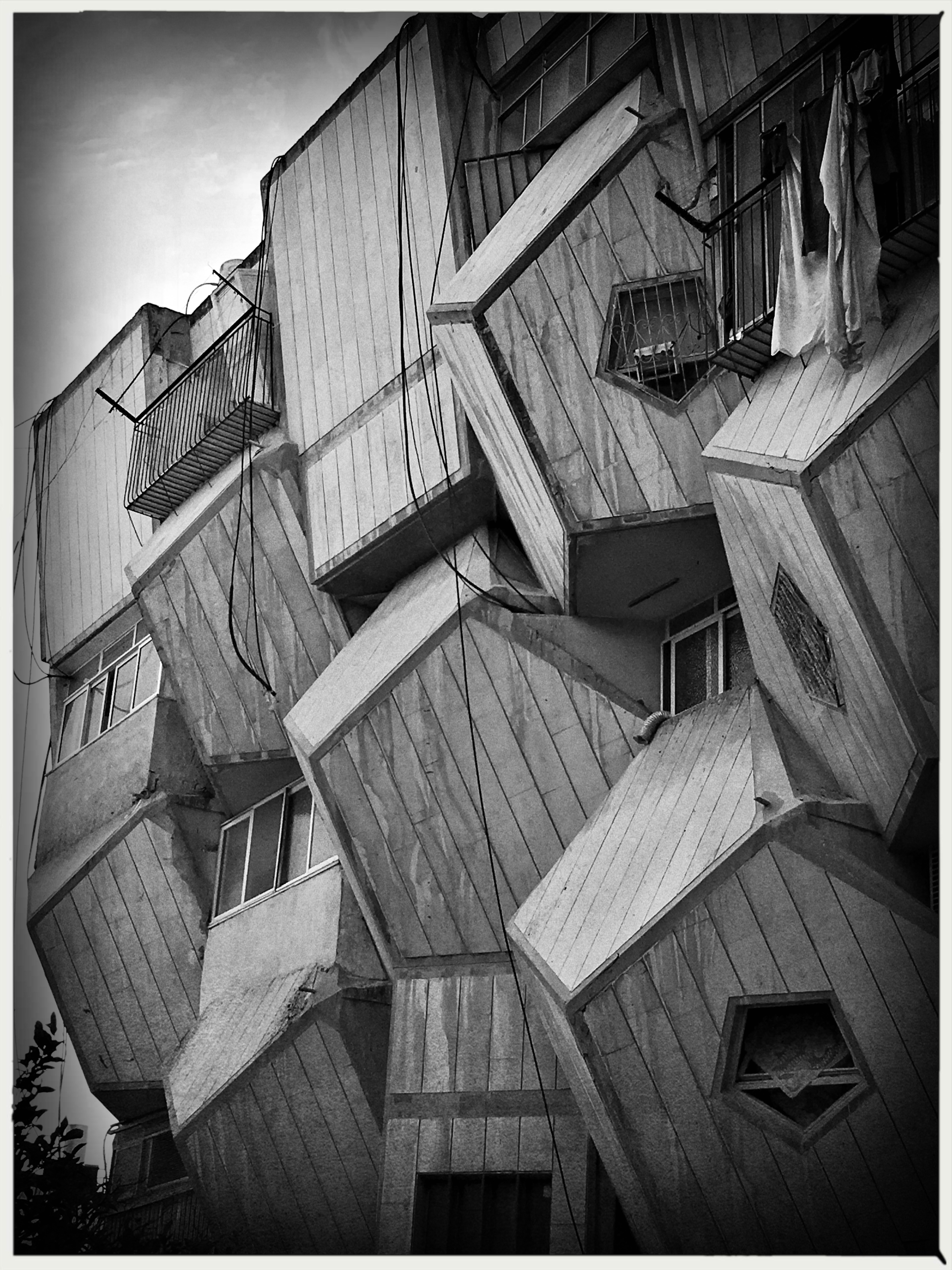
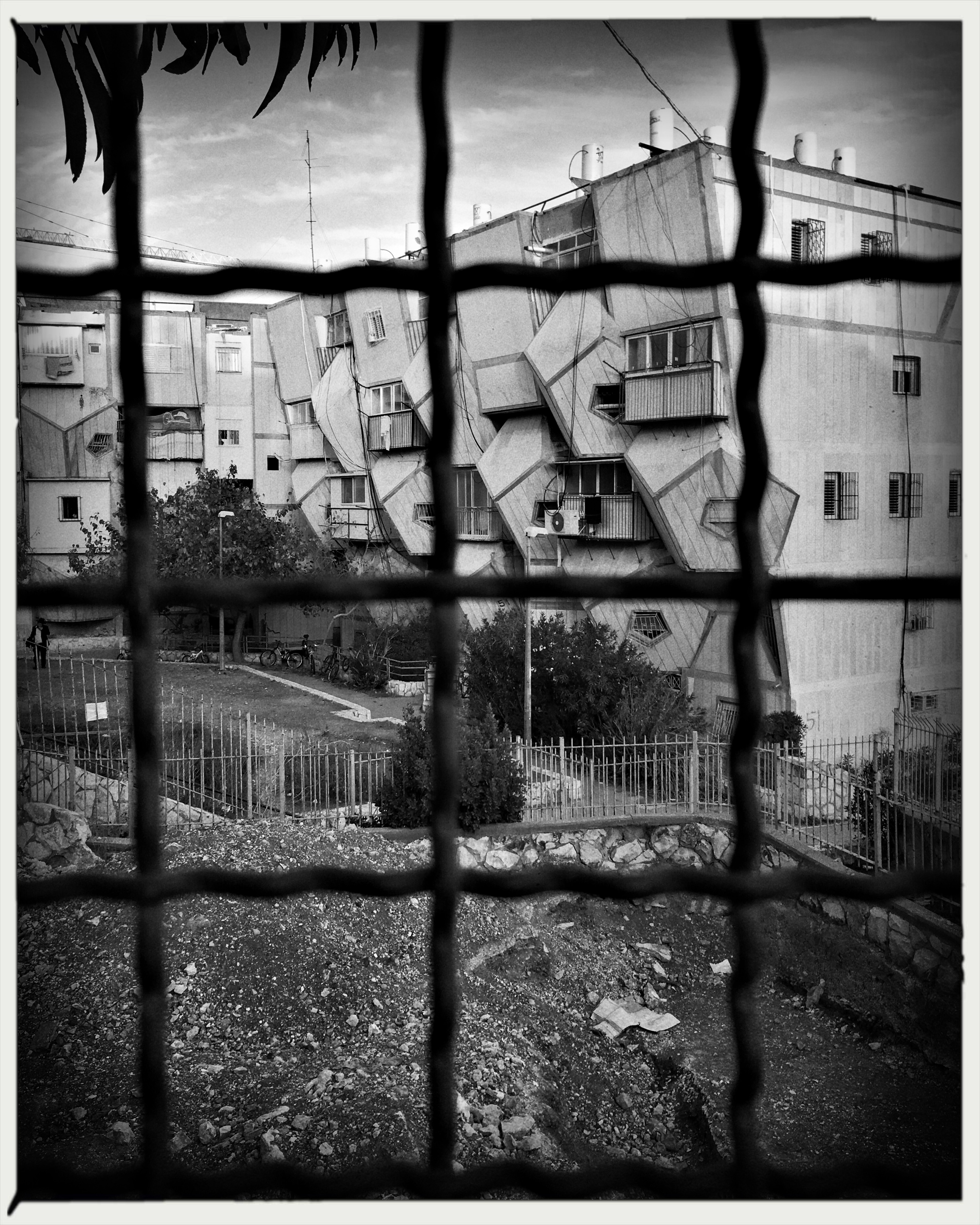
Ramot Polin was not as close to the Old City or downtown Jerusalem as I’d thought. It was one hell of a taxi fare away, isolated, at the top of a hill in East Jerusalem. But the moment I stepped out on to the street at the outskirts of the complex, it was clear the trouble had been worth it: Ramot Polin is truly one of the most uniquely bizarre feats of architecture I’ve personally encountered.

It’s hard to fully grasp the enormity of Ramot Polin from any of the entrances to the complex. The large clusters of prefabricated dodecahedrons (720 dwellings in total) lend to the appearance of a beehive built for humans. Each identical cluster of apartments is connected by equally identical paths, and wandering between them begins to feel a bit discombobulating after a while. It’s labyrinthine in the way that evokes a disconcerting lucid dream. But, I’ll be damned if the place doesn’t look really freakin’ cool.


The vast majority of Ramot Polin’s occupants are Haredi Jews, mostly families. We encountered a handful of children playing quietly in the maze-like areas between clusters of apartments, but none seemed too disturbed by our presence. One can only wonder what it must be like to live in such a complex, with its eerie silence and foreboding structures, and its isolated locale.

‘I’ve got a great idea for a dystopian novel, inspired by this place,’ I told my friend as we walked to the nearby bus stop, unprepared to pay that extortionate taxi fare again. ‘I’m going to name it after one of my favourite David Sylvian albums.’ She just laughed, knowing I’d never get around to it. Fair enough.

Posted in Architecture, Travel
Also tagged: architecture, Israel, Jerusalem