Recent Posts

Florence and the machinations of performative feminism

Medusa strikes back! ....unnecessarily, and at the wrong person

From Paris with love

Interview: Hitting the heart of Johnny Marr

Adventures in Modernist Melbourne

Categories
  • Architecture
  • Art
  • Film
  • Literature
  • Music
  • Travel


Tags

architecture ; art ; art exhibitions ; david sylvian ; feminism ; films ; france ; French cinema ; Hokusai ; inspiring people ; interview ; Israel ; Japanese art ; Jerusalem ; Johnny Marr ; melbourne ; modernism ; mythology ; Paris ; philippe garrel ; photography ; published works ; Robert Mapplethorpe ; travel


Archives

► November 2020
► October 2020
► August 2019
► November 2018
► February 2018
► November 2017
► October 2017
Monthly Archives: October 2017

A new way of seeing: Robert Mapplethorpe & the perfect medium

October 30, 2017

There’s something about Robert Mapplethorpe’s photography that evokes a sense of awe no matter how many times I’ve seen a particular image before.

The images on display at the Robert Mapplethorpe: the perfect medium exhibition I saw this weekend at the Art Gallery of New South Wales were all ones I had seen before, having had the privilege of checking out the exhibition at its dual-venue inaugural run at LACMA and the Getty Center in Los Angeles last year. Yet, having seen almost the exact same exhibition before did nothing to dull the thrill of viewing #2 in Sydney. I’d like to think this is more a testament to the power of Mapplethorpe’s work than it is to my poor memory and excitability.

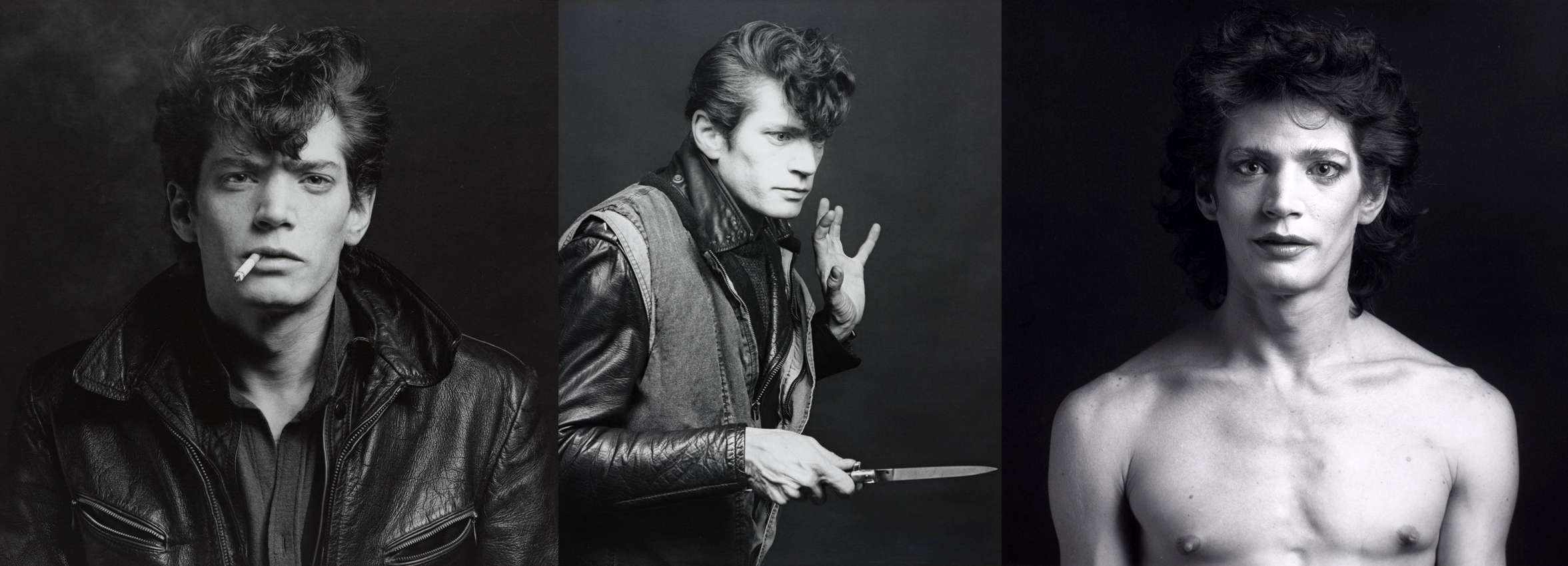
Self portraits, 1980. (© Robert Mapplethorpe)

That Mapplethorpe was one of his own favourite models is apparent from the very start, with a triptych of self portraits adorning the wall at the entrance to the exhibition. In these as with most of his other self-portraits, there’s a clear sense of the artist consciously adopting a variety of roles for the camera’s benefit: in the iconic self-portrait depicting Mapplethorpe in archetypal “bad boy” mode, his leather jacket and cigarette are as much a prop as his knife and make-up in the next two portraits.

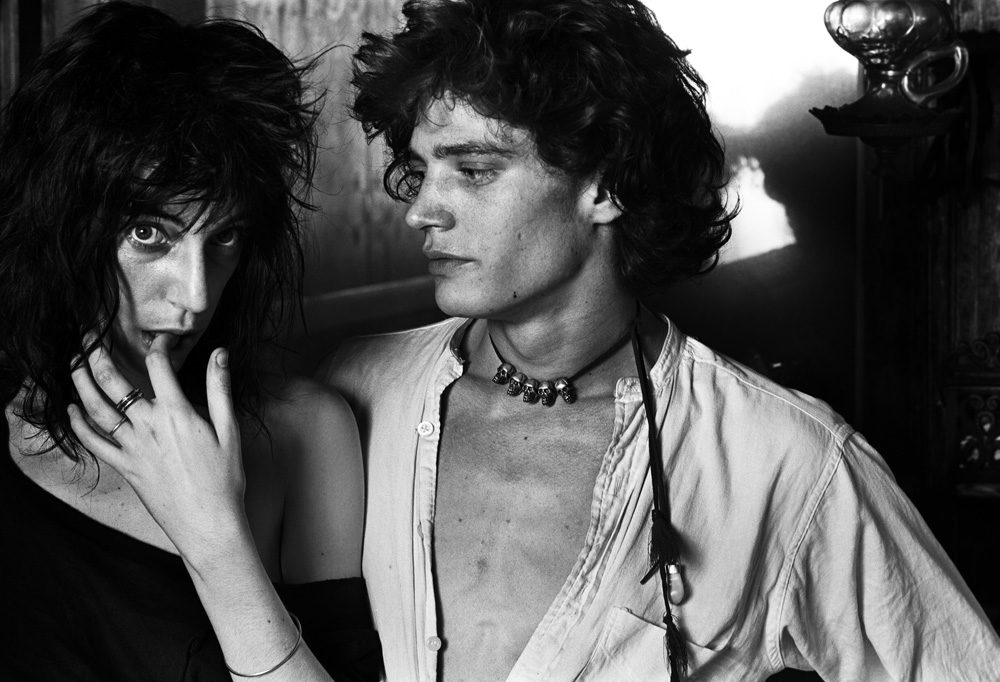
There’s a single wall devoted to Mapplethorpe’s early experimentations with collage, readymade sculpture and jewellery-making before the focus shifts to long-time friend and muse Patti Smith. In addition to numerous well-known portraits (including those used on the Horses and Wave album covers, and the iconic image of Smith cutting her own hair), the 1978 short film Still Moving is on show, starring a drugged-up Smith being photographed by Mapplethorpe himself as she moves through a set comprised of draped fabric, at one stage toying with a doll/statue/puppet of Mephistopheles, the demonic figure from the well-known German folk legend Faust. It’s a surreal and somewhat unnerving film, like watching a playback of a dream. Suffice to say, I thought it was rather brilliant.

Robert Mapplethorpe and Patti Smith in New York, 1970. (© Norman Seeff)

Besides Smith, there’s a slew of other celebrity portraits on display: musicians, actors, and most interestingly, fellow artist-photographers such as Andy Warhol, David Hockney and Cindy Sherman. Such images clearly impress even further on account of their subject matter, but I’m far more interested in his photographs of lesser (or un-) known models, where the style and sentiment of the image isn’t dwarfed by the illustriousness of the subject. Many of Mapplethorpe’s portraits are homoerotic in nature, ranging from subtle and tender to quasi-pornographic, and it could be perceived as an intentional tribute to his life as an openly gay man in the 60s-80s that these images are scattered throughout the exhibition rather than housed in a separate section. In glass cases, a selection of Mapplethorpe’s personal items, mostly pornographic ephemera, are on display; memorabilia-cum-penetralia including X-rated gay skin magazines, mail-order photographs of male nudes, and a copy of Stripped & Strapped: The Odd Games Some People Play. (You can probably guess what that book’s about without me having to spell it out.) While in theory it might seem odd and even mildly indecorous to display items of the sort usually expected to be hidden under one’s mattress, in this context it doesn’t come across as tasteless or even particularly shocking: these themes, after all, are openly addressed in Mapplethorpe’s work, without embarrassment. If he’s not ashamed to show us, why should we be ashamed to look?

Joe, NYC, 1978 (© Robert Mapplethorpe)

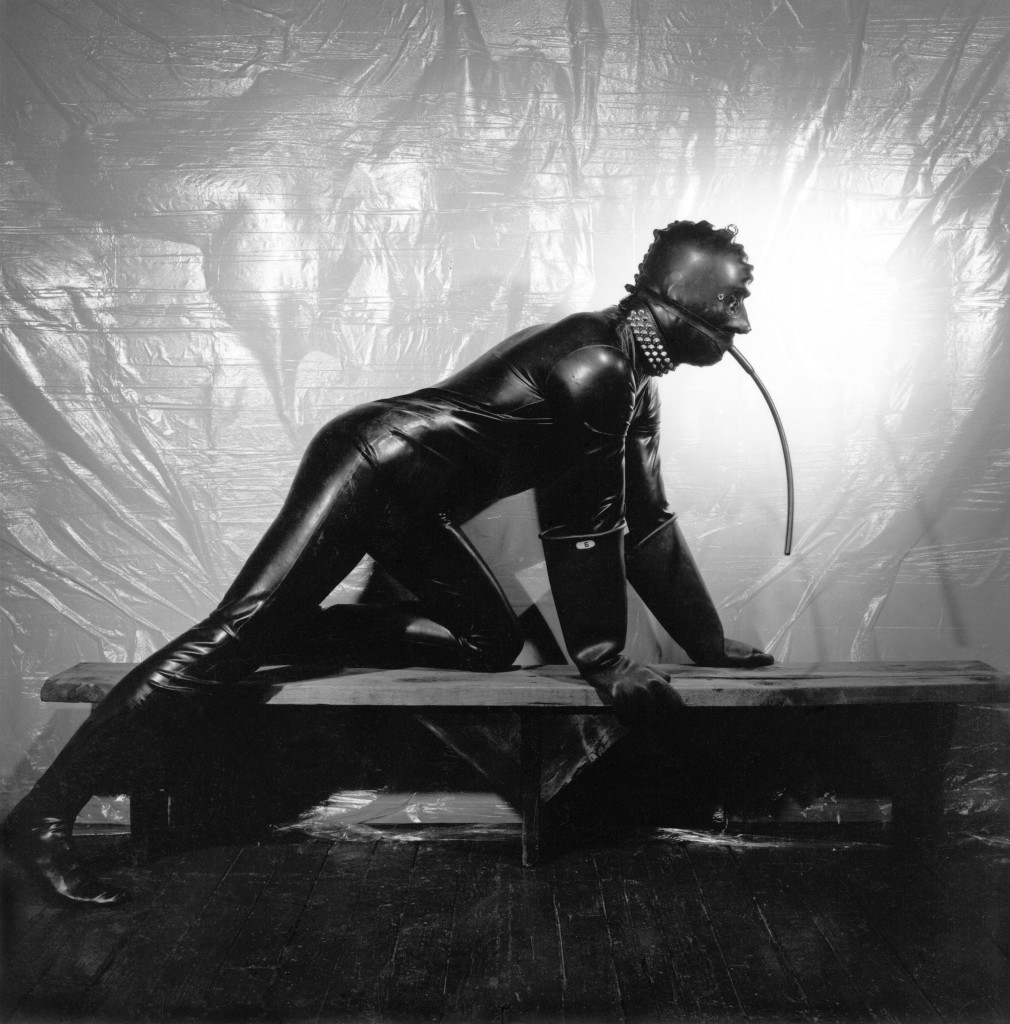
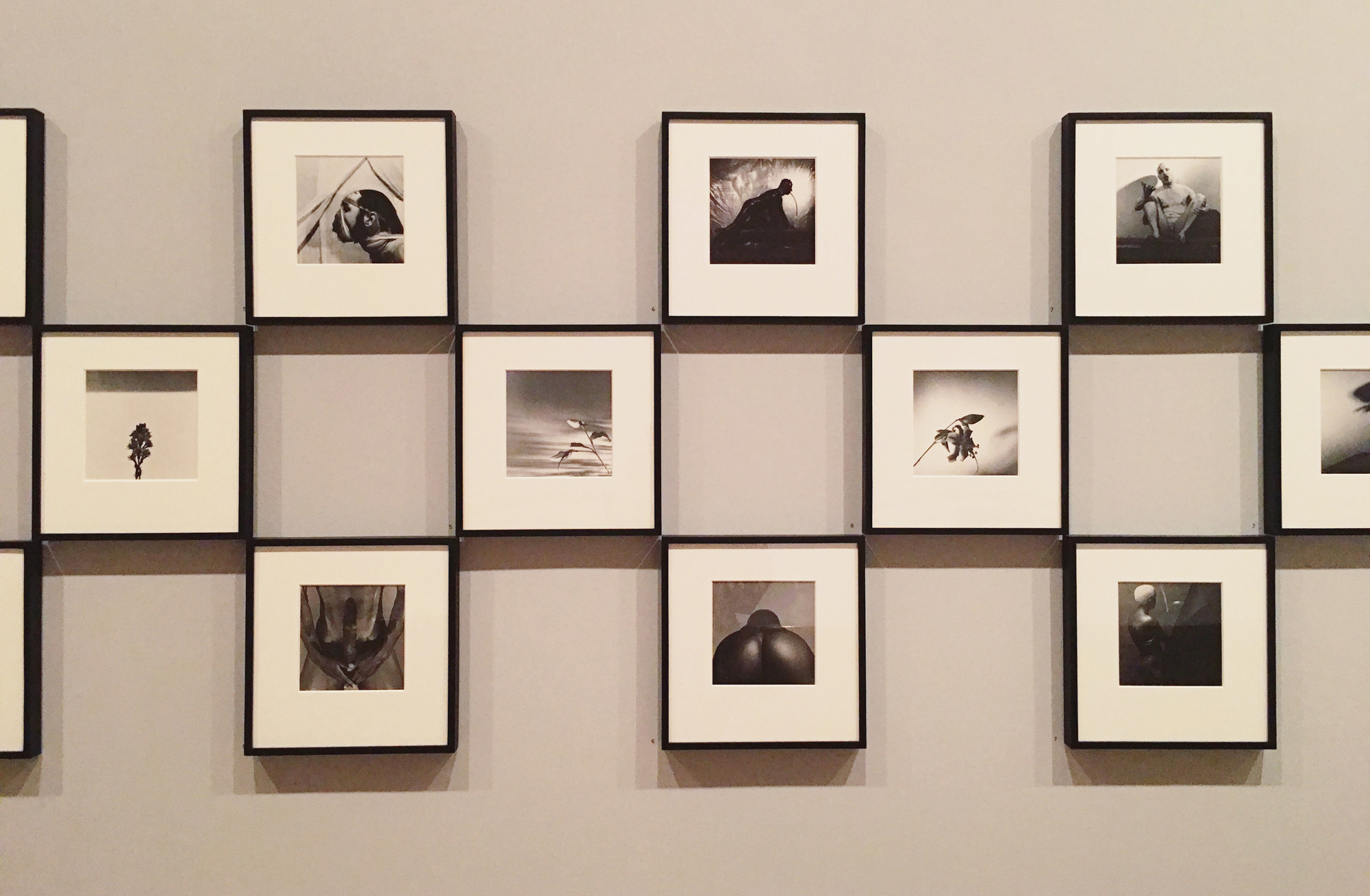
The most explicit of Mapplethorpe’s work, those photographs belonging to the infamous X Portfolio (as well as part of the Z Portfolio), were the only images displayed in a separate room with a content advisory warning at the entrance, which I suppose is reasonable enough. There, the X (homosexual sadomasochistic images), Y (floral still lifes) and Z (African-American male portraits) portfolios were displayed all together in a checkerboard-style grid, one portfolio per row. It was an arresting display, but although at first the contrast between the Y portfolio’s understated elegance and the X and Z portfolios’ raw, confrontational power seemed jarring, the three series’ images are united by their focus on perfection in the physical form, dramatic lighting, and highly-ordered composition.

X, Y and Z portfolios on display at the Art Gallery of New South Wales

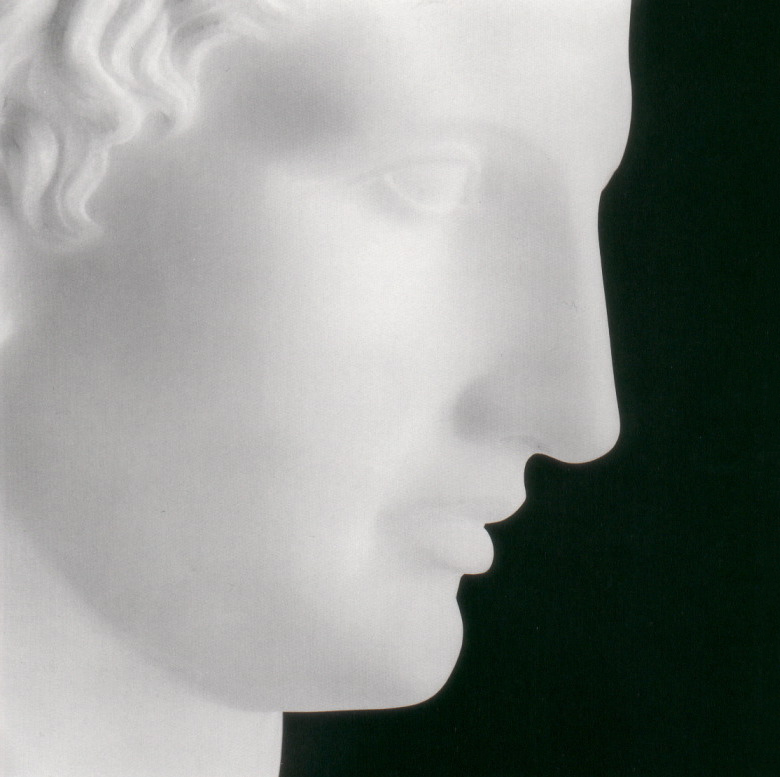
Other walls of the exhibition were devoted to further selections of Mapplethorpe’s floral still lifes and African-American portraits, as well as his series of photographs of female bodybuilder Lisa Lyon, and a handful of very striking photographs of sculptures depicting figures from Greek mythology. These were new to me: I’d not come across them before at the Los Angeles venues (although they may very well have been there and I just missed them), and feel they warrant further investigation.

Ermes, 1988. (© Robert Mapplethorpe)

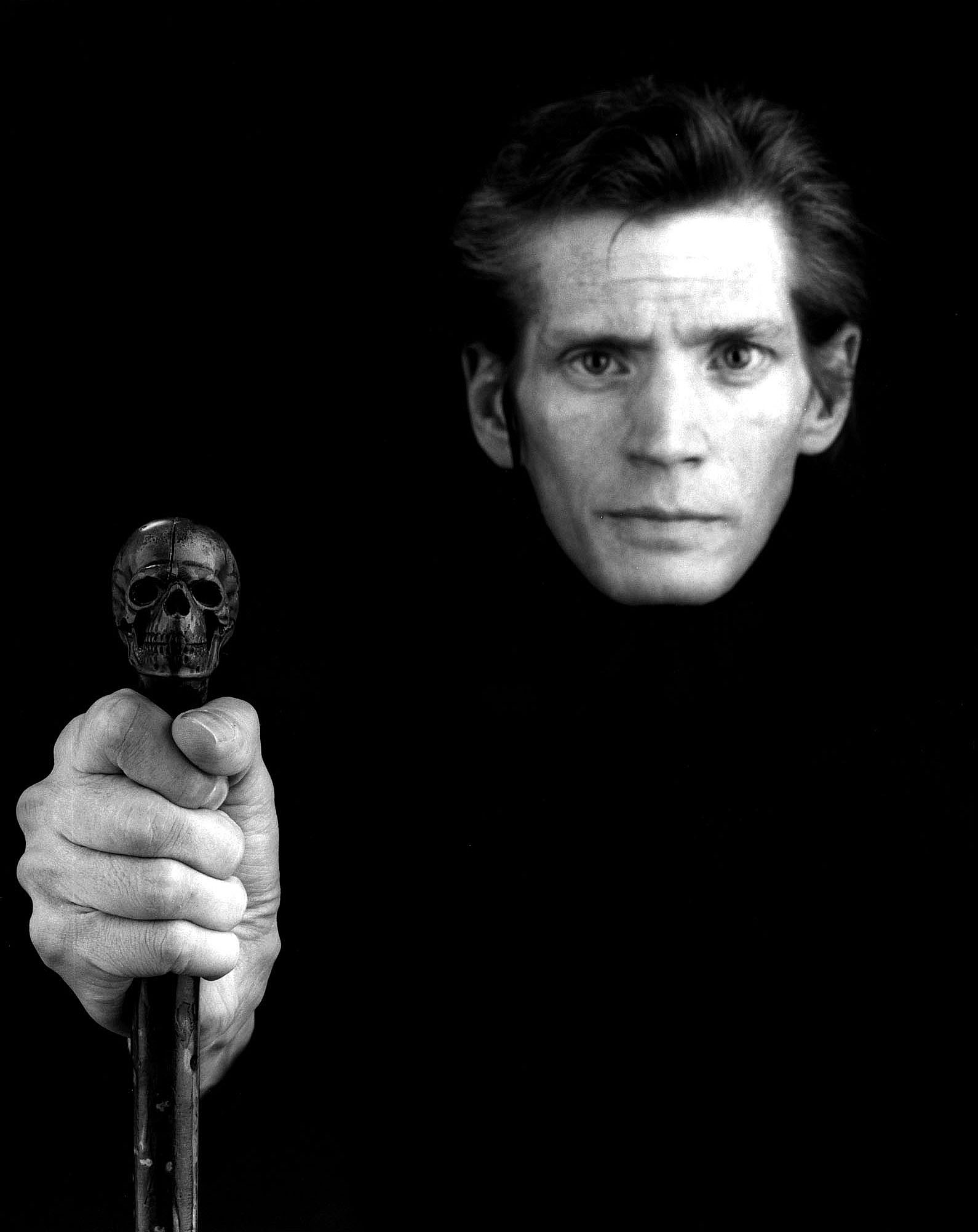
The exhibition’s closing image was one of my favourites: Mapplethorpe’s final self-portrait, taken shortly before his death from AIDS complications in 1989. In it he stares determinedly into the camera, noticeably aged and weakened by illness, hand clutching a skull-topped cane. Nothing of his body except his hand and face are visible against the dark, high-contrast background; it’s like he’s already starting to vanish from this world. It’s a haunting image, made all the more powerful by the uneasy feelings it evokes.

Self-portrait, 1988. (© Robert Mapplethorpe)

“Behold, I show you a mystery: we shall not all sleep,
but we shall all be changed, in the twinkling of an eye…”

Here is that eye, and its vision. Here is the tension
we need to imagine that mystery; in the tension between
darkness and light, between black and white.
Here in Robert’s photographs.

– Paul Schmidt, from the introduction to the X Portfolio

Posted in Art
Tagged: art exhibitions, Robert Mapplethorpe

Hokusai: Old Man Mad about Drawing

October 20, 2017

My first introduction to Japanese artist Katsushika Hokusai was through my best friend, who is a big fan of his work. Back in July, the National Gallery of Victoria opened a retrospective exhibition of his work, and having been insanely busy with work for the past few months, I only finally got a chance to see it today, in its closing week.

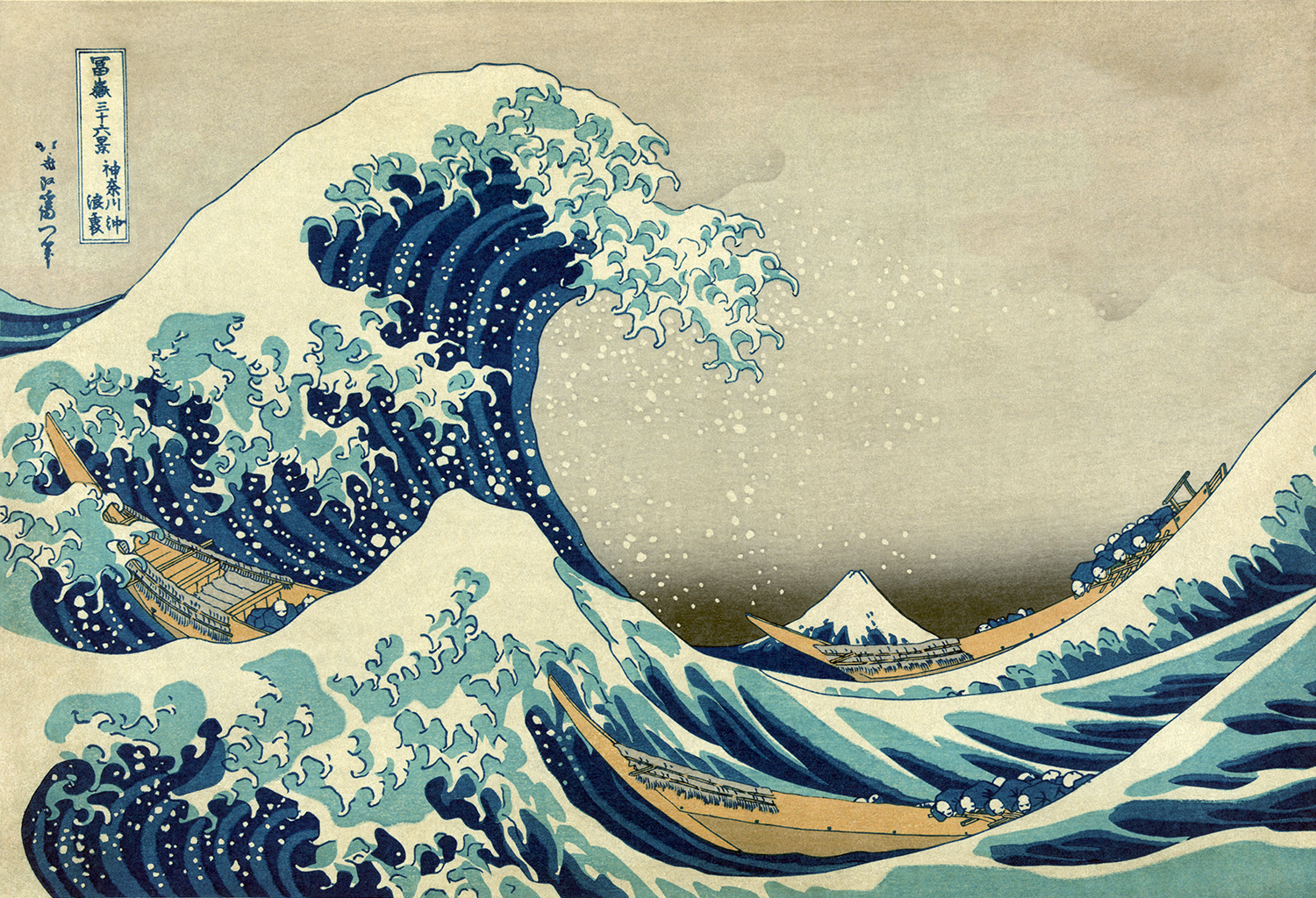
Having previously been somewhat disappointed by NGV’s Van Gogh and the seasons exhibition, I was pleasantly surprised by the scope and quality of the Hokusai exhibition. Joining works from NGV’s own collection were many pieces on loan from the Japan Ukiyo-E Museum (JUM) in Matsumoto, and a great many (if not all) of Hokusai’s most notable works – including two early rare prints of what is arguably the most recognisable image in Japanese art, The great wave off Kanagawa – were on display.

The great wave off Kanagawa

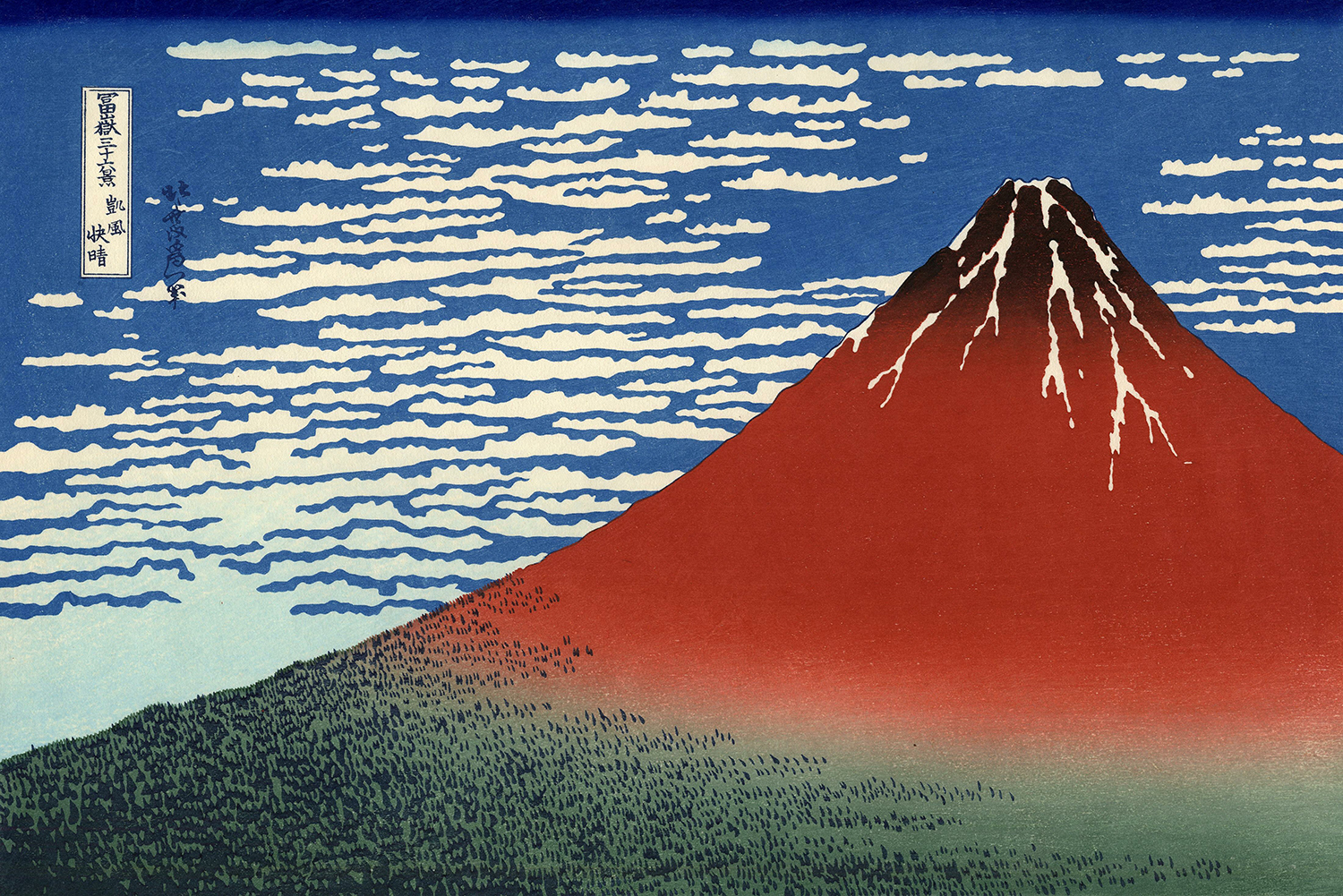
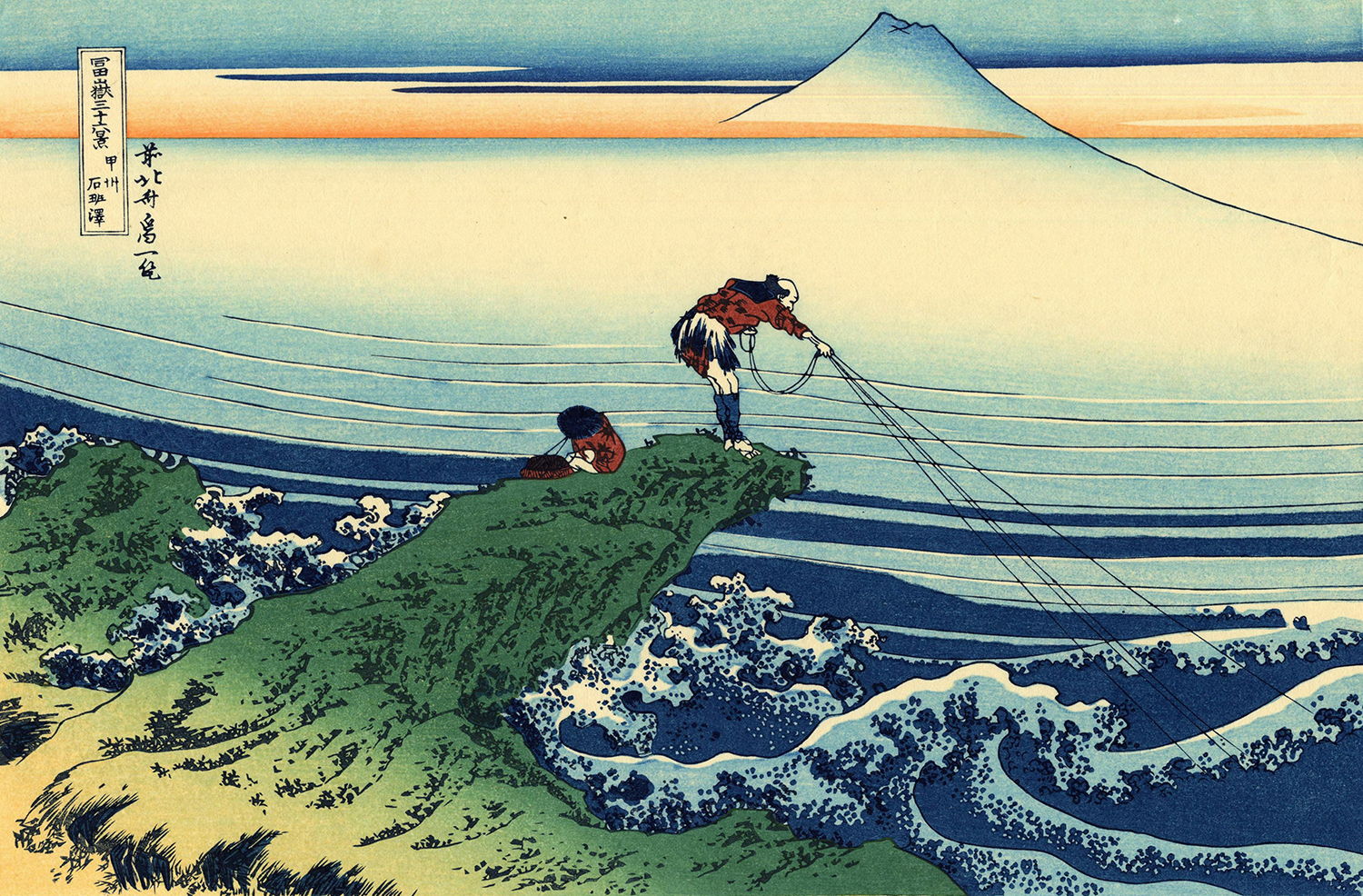
Hokusai was well-known for producing his paintings and woodblock prints in series: the most well-known being Thirty-six views of Mt Fuji, of which The great wave is a part. In these prints, the omnipresent mountain is often juxtaposed with scenes of everyday human life in the city of Edo (now modern-day Tokyo), highlighting its cultural significance to the Japanese people. One of my favourites from this series is Kajikazawa in Kai Province, in which the peak of Mt Fuji can be seen in the background while a fisherman casts lines into the sea. (In my mind, the fisherman is trying to catch or tame the waves. In reality, I suppose he’s just trying to catch…fish.)

Kajikazawa in Kai Province

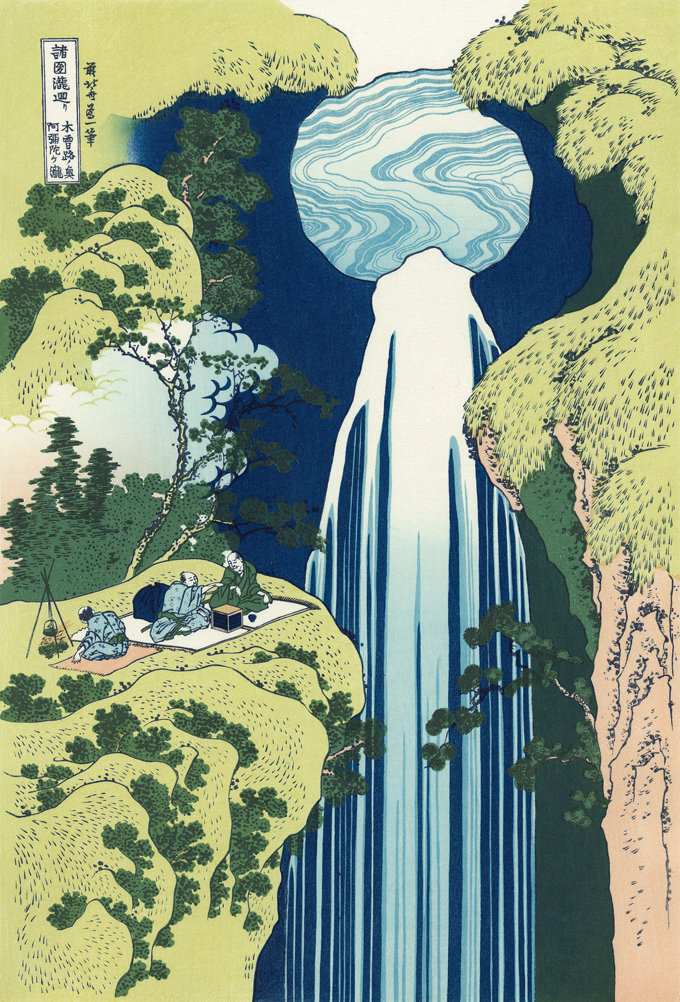
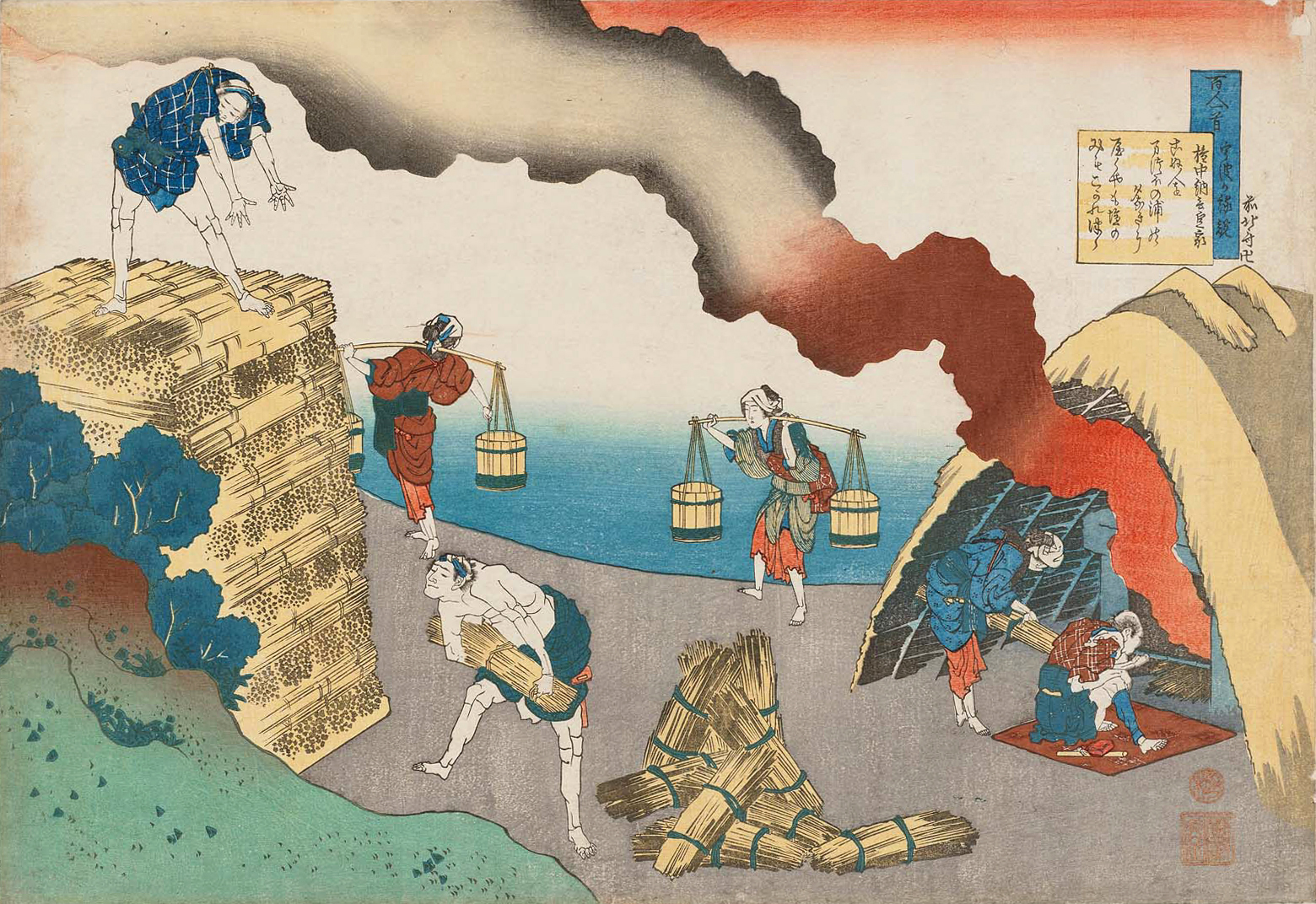
In addition to the Mt Fuji collection, several other series were on display, including A Tour to the Waterfalls in Various Provinces, which I personally found to be the most powerful and visually striking set of works in the exhibition. (The Amida Falls in the far reaches of the Kisokaido Road in particular is just stunning.) Hokusai’s literary interests are also evident in One Hundred Poems Explained by the Nurse, a series of prints based on the Japanese poetry anthology Ogura Hyakunin Isshu.

The Amida Falls in the far reaches of the Kisokaido Road

Gonchunagon Sadaie (based on a poem by Fujiwara no Teika)

‘Like the salt sea-weed
Burning in the evening calm
On Matsuo’s shore
All my being is aglow
Waiting one who does not come’

 – Fujiwara no Teika

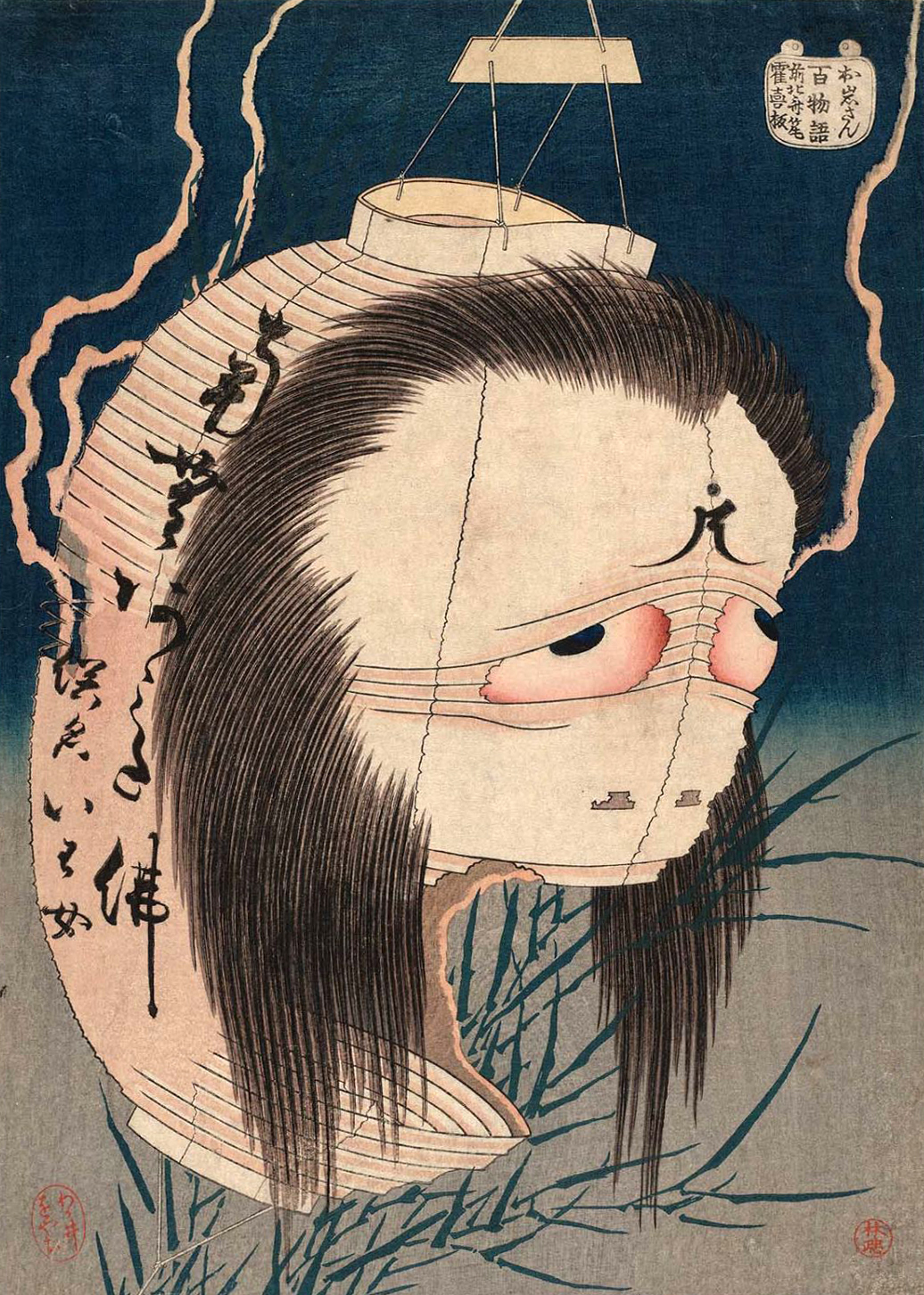
One of the most interesting series on display, however, was a small collection of five woodblock prints comprising the One Hundred Ghost Stories series. Each depicting a Japanese ghost story from the Edo period, they’re genuinely quite creepy, and a world apart from the serene beauty of Thirty-six views of Mt Fuji or A Tour to the Waterfalls.

The ghost of Oiwa

“The main character in ‘The mysterious story of Yotsuya’ is the virtuous Oiwa, who is married to Tamiya Iemon, a struggling samurai turned umbrella maker. Iemon falls in love with his young neighbour Oume, whose father administers a potion to Oiwa that awfully disfigures her. Iemon is disgusted and wants a divorce, but in despair Oiwa kills herself instead. Later, Iemon marries Oume, but is tricked by the ghost of Oiwa into killing his new wife. Iemon rushes away in horror and takes refuge in a temple, where in the middle of the night Oiwa’s horrific, deformed face appears in an old torn temple lantern. Driven to insanity, Iemon takes his own life.”

(Sidenote: I think I’ll be sleeping with the lights on tonight.)

Hokusai, the self-described “old man mad about drawing”, sadly never attained great financial success in his own lifetime. Yet within a decade of his death he would be cited as a major influence by European Impressionist artists such as Vincent Van Gogh, Gustav Klimt, Paul Gaugin and Edgar Degas, who all collected his woodcuts.

In the words of the latter:

“Hokusai is not just one artist among others in the Floating World. He is an island, a continent, a whole world in himself.”

Posted in Art
Tagged: art exhibitions, Hokusai, Japanese art