Recent Posts

Florence and the machinations of performative feminism

Medusa strikes back! ....unnecessarily, and at the wrong person

From Paris with love

Interview: Hitting the heart of Johnny Marr

Adventures in Modernist Melbourne

Categories
  • Architecture
  • Art
  • Film
  • Literature
  • Music
  • Travel


Tags

architecture ; art ; art exhibitions ; david sylvian ; feminism ; films ; france ; French cinema ; Hokusai ; inspiring people ; interview ; Israel ; Japanese art ; Jerusalem ; Johnny Marr ; melbourne ; modernism ; mythology ; Paris ; philippe garrel ; photography ; published works ; Robert Mapplethorpe ; travel


Archives

► November 2020
► October 2020
► August 2019
► November 2018
► February 2018
► November 2017
► October 2017
All posts tagged: films

The dream of the child inside the child

February 22, 2018

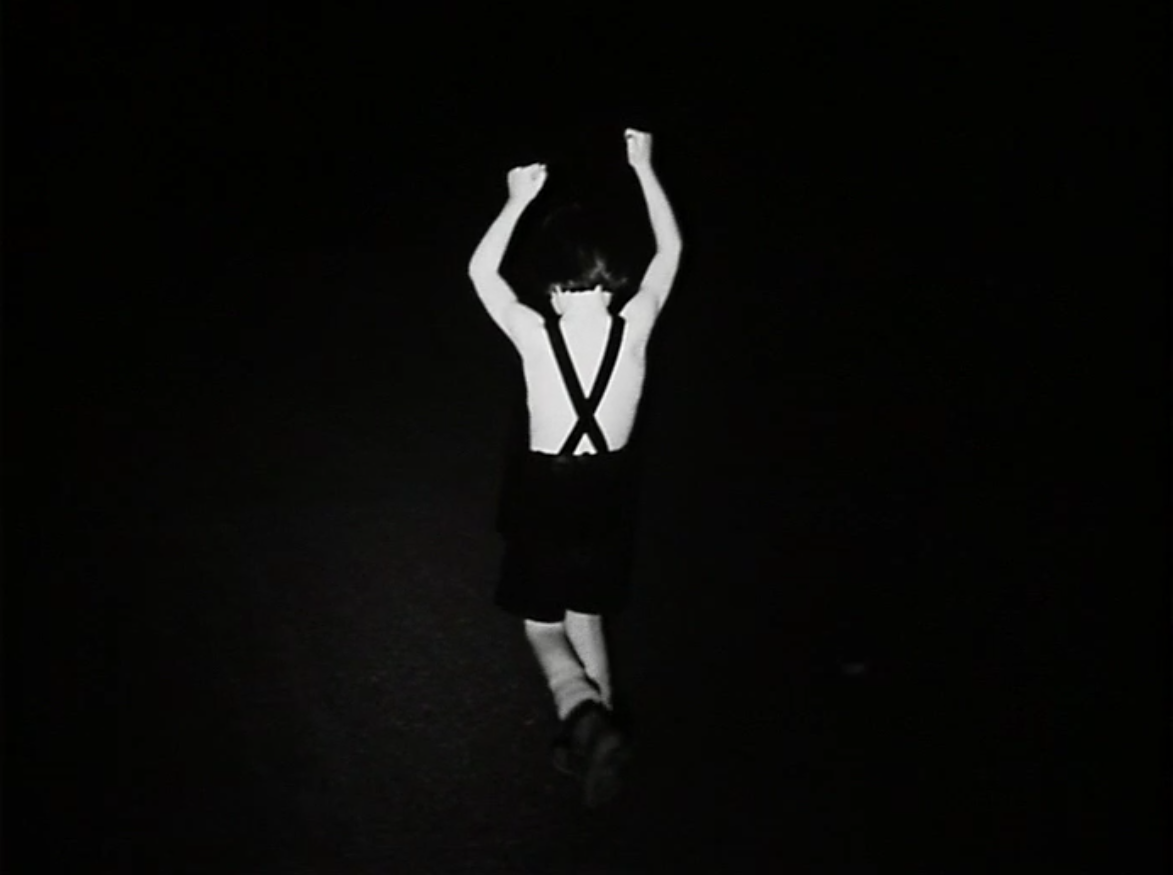
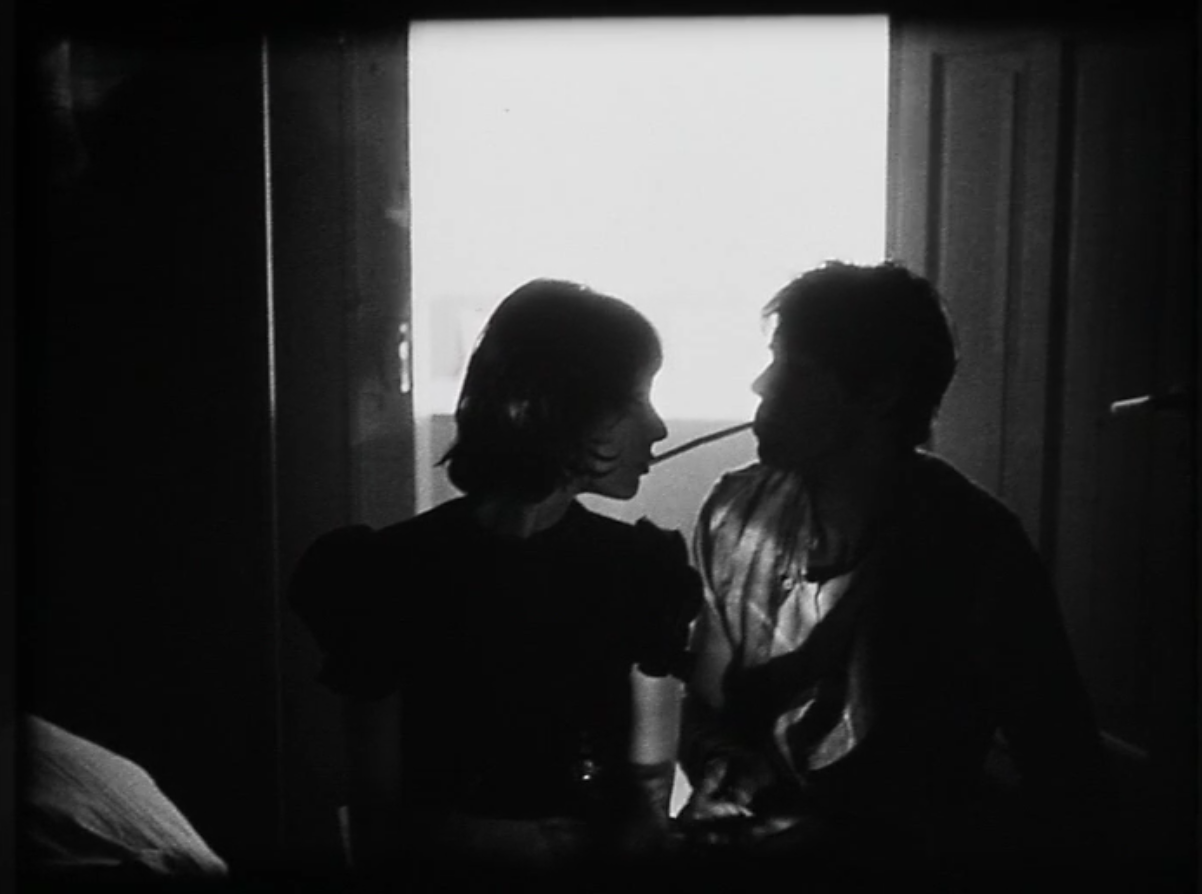
If you asked me to explain what Philippe Garrel’s Le Révélateur is about, I probably couldn’t tell you. It’s not so much a film with a clear narrative as it is a dynamic, surrealist art piece: an assemblage of fragmented, oneiric images.

The complete absence of sound and dialogue (this is an entirely silent film), and its minimalist, three person cast, evokes the feeling of Le Révélateur having been filmed in a vacuum. There is a profound sense of isolation between the characters, and in particular between the parents and the child, who for many scenes is ignored almost completely by the former. Yet, tellingly, it is most often through the child’s eyes that the scenes are shown.

While the parents are often shown in emotional states ranging from indifference to near-catatonia, the child – the titular révélateur – conveys an array of emotions: playfulness, curiosity, distress. The child is an observer, but not an apathetic observer.

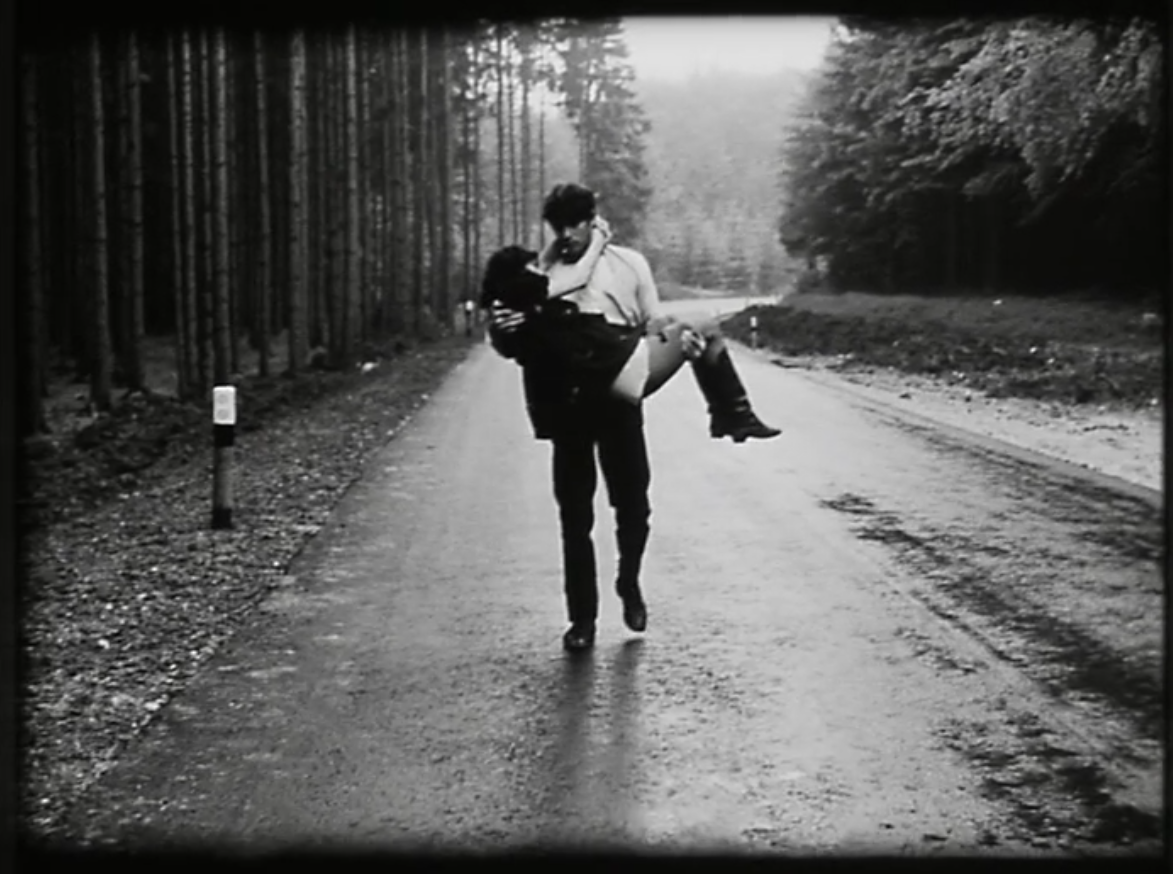
Interactions between the parents are often hostile; frequently aggressive. During one memorable scene, the child watches an argument between the parents unfold on a theatre stage, culminating in the father shaking and hitting the mother, and in the midst of the violence, pointing insistently at the child. Yet the parents’ interactions are also not without tenderness: one of the few scenes in which the child is not present depicts the parents walking wearily down a deserted road, shivering and barely able to stand. When the mother is unable to go on any further and collapses, the father picks her up and carries her until they inexplicably reach a small blanket and pillow laid out on the empty road. Numerous other more affectionate moments between the pair would suggest that the violence the child bore witness to was metaphorical rather than literally indicative of an abusive relationship.

There’s a recurring theme of aimless, repetitive motion throughout the film. The parents walk along empty roads with no destination in sight, chase after the child in an unseen moving vehicle but never catch up, and attempt to bend a length of wire with no success. The whole family runs frantically through tall grass, pursued by an imagined enemy, and pounds on a door that nobody comes to open. These Sisyphean charades are haunting and discomforting viewing, evoking the sensation of struggling to awake from a lucid dream.

In terms of cinematography, Le Révélateur is a visually arresting affair, shot in high contrast black and white. Its stark and austere milieu is the very reason why it’s also hauntingly beautiful. Garrel was only twenty years old when he made Le Révélateur, but it’s clear that he already possessed a keen understanding of film as an aesthetic medium, seeing it not merely as a narrative device, but as a vehicle to express and to experiment with emotive, abstract imagery. If traditional cinema is akin to a novel, then Le Révélateur is pure poetry.

Le Révélateur is the sort of film that makes a lasting imprint on one’s mind, and as such it’s unsurprisingly considered something of an underground masterpiece by avant-garde cinephiles. If you can track it down, this hypnotic, unsettling, fever-dream committed to celluloid is well worth 67 minutes of your time.

Posted in Film
Also tagged: French cinema, philippe garrel