Whenever I travel, exploring a city’s architecture is always a top priority. I love modernism. I love inventiveness. In a nutshell: the weirder and more creative a structure is, the more likely I am to be fascinated by it.
The first half of my (far, far, far too short) trip to Israel last November had been spent in Tel Aviv, The White City, where I’d been mesmerised by a multitude of sleek Bauhaus-style buildings, shielded my eyes from the coruscant gleam of the Azrieli Towers in the midday sun, and stood in awe beneath the arches of the brutalist Great Synagogue on Allenby Street. Even the eerie, derelict central bus station seemed to have a certain charm about it.
In Jerusalem, I was a Proper Tourist, and spent a good portion of my time in the Old City with my best friend, a native Jerusalemite who kindly indulged my wide-eyed curiosity. We took the tour at the Tower of David, returned in the evening for the light show, and wandered through the markets, shopping for the perfect Hamsa to take back home. I went to the Western Wall, pressed a note into the cracks and cried, despite not being a religious person. I ate too much Halva, and have the cavities to prove it. Compared to Tel Aviv, Jerusalem seemed a city seeped in history and culture, rather than a modern architecture enthusiast’s playground.
But then I remembered Ramot Polin, a bizarre-looking housing project designed by Israeli architect Zvi Hecker in the aftermath of the Six Day War. And so we hailed a taxi, my friend explaining to the bewildered cabbie, in Hebrew, where it was we wanted to go. I held up my camera for him to see in the rearview mirror, in an attempt at a mute explanation why.
Ramot Polin was not as close to the Old City or downtown Jerusalem as I’d thought. It was one hell of a taxi fare away, isolated, at the top of a hill in East Jerusalem. But the moment I stepped out on to the street at the outskirts of the complex, it was clear the trouble had been worth it: Ramot Polin is truly one of the most uniquely bizarre feats of architecture I’ve personally encountered.
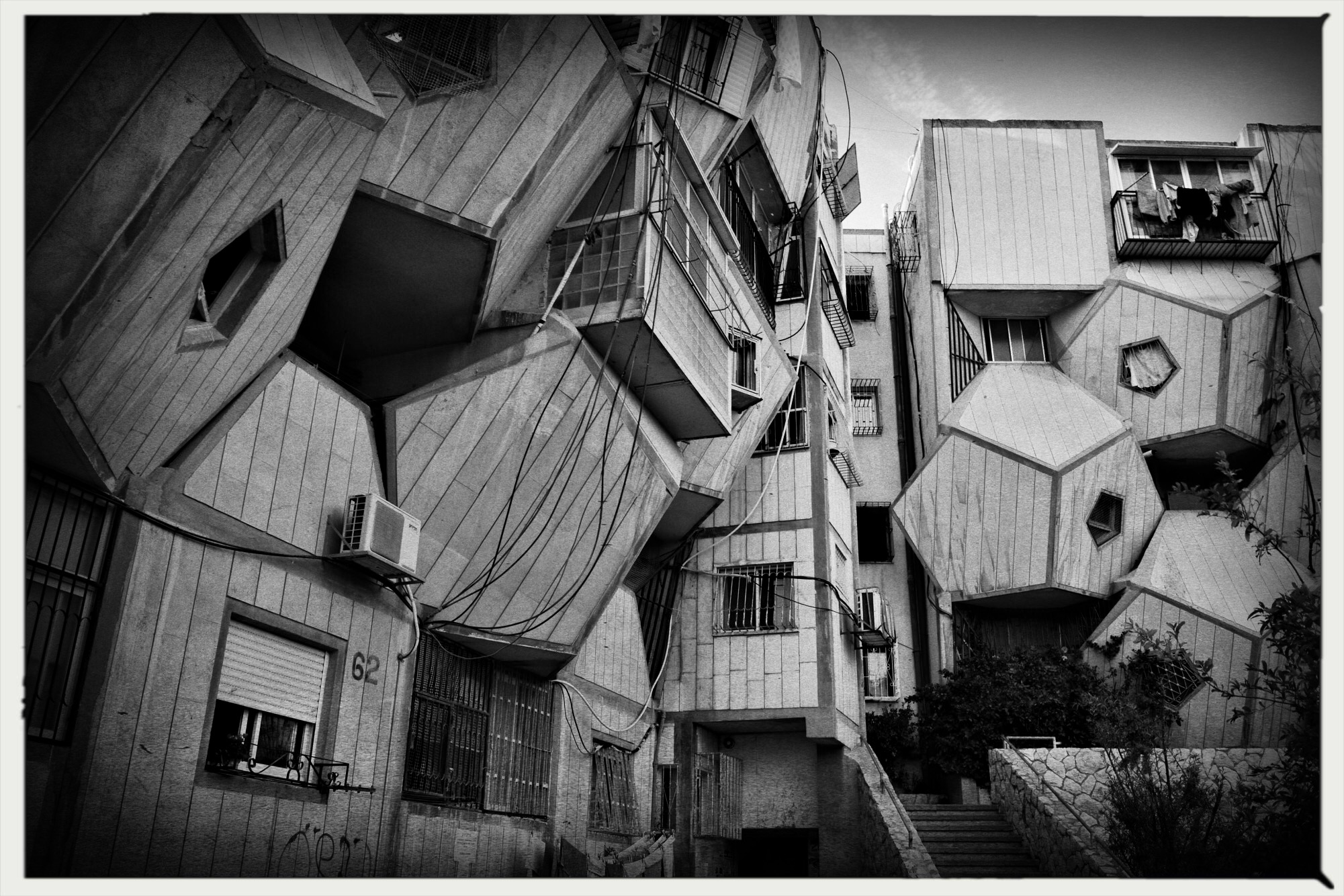
It’s hard to fully grasp the enormity of Ramot Polin from any of the entrances to the complex. The large clusters of prefabricated dodecahedrons (720 dwellings in total) lend to the appearance of a beehive built for humans. Each identical cluster of apartments is connected by equally identical paths, and wandering between them begins to feel a bit discombobulating after a while. It’s labyrinthine in the way that evokes a disconcerting lucid dream. But, I’ll be damned if the place doesn’t look really freakin’ cool.
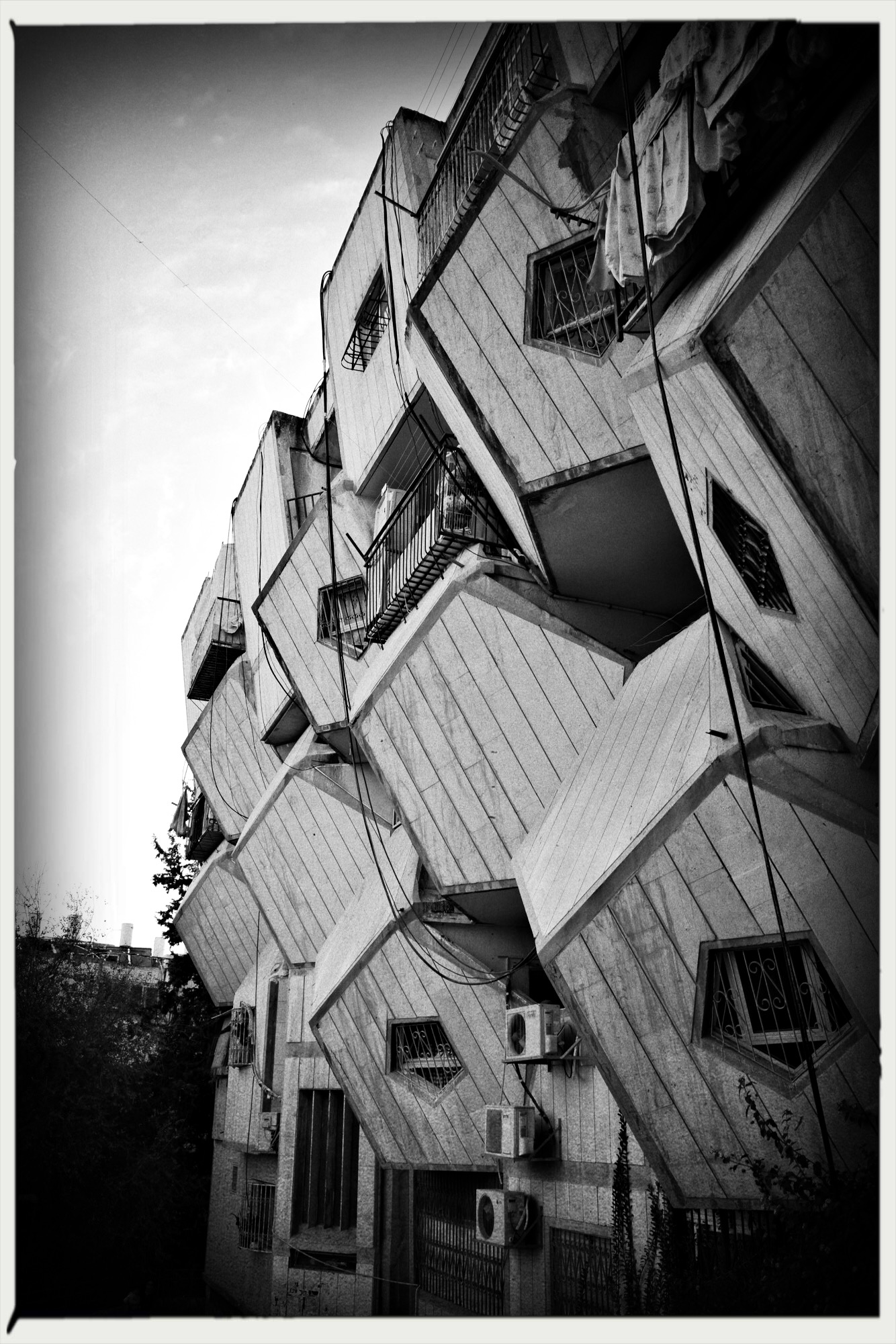
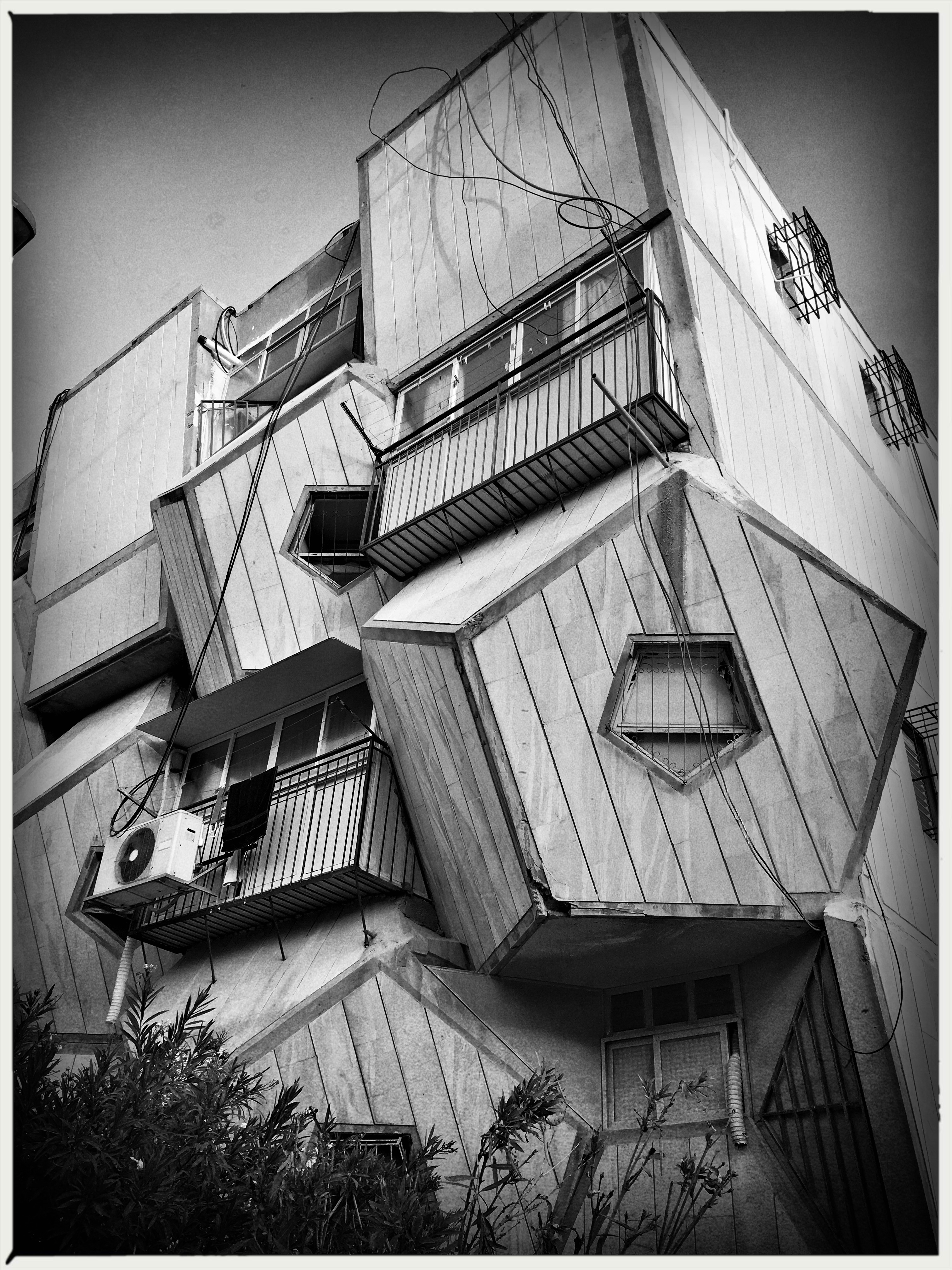
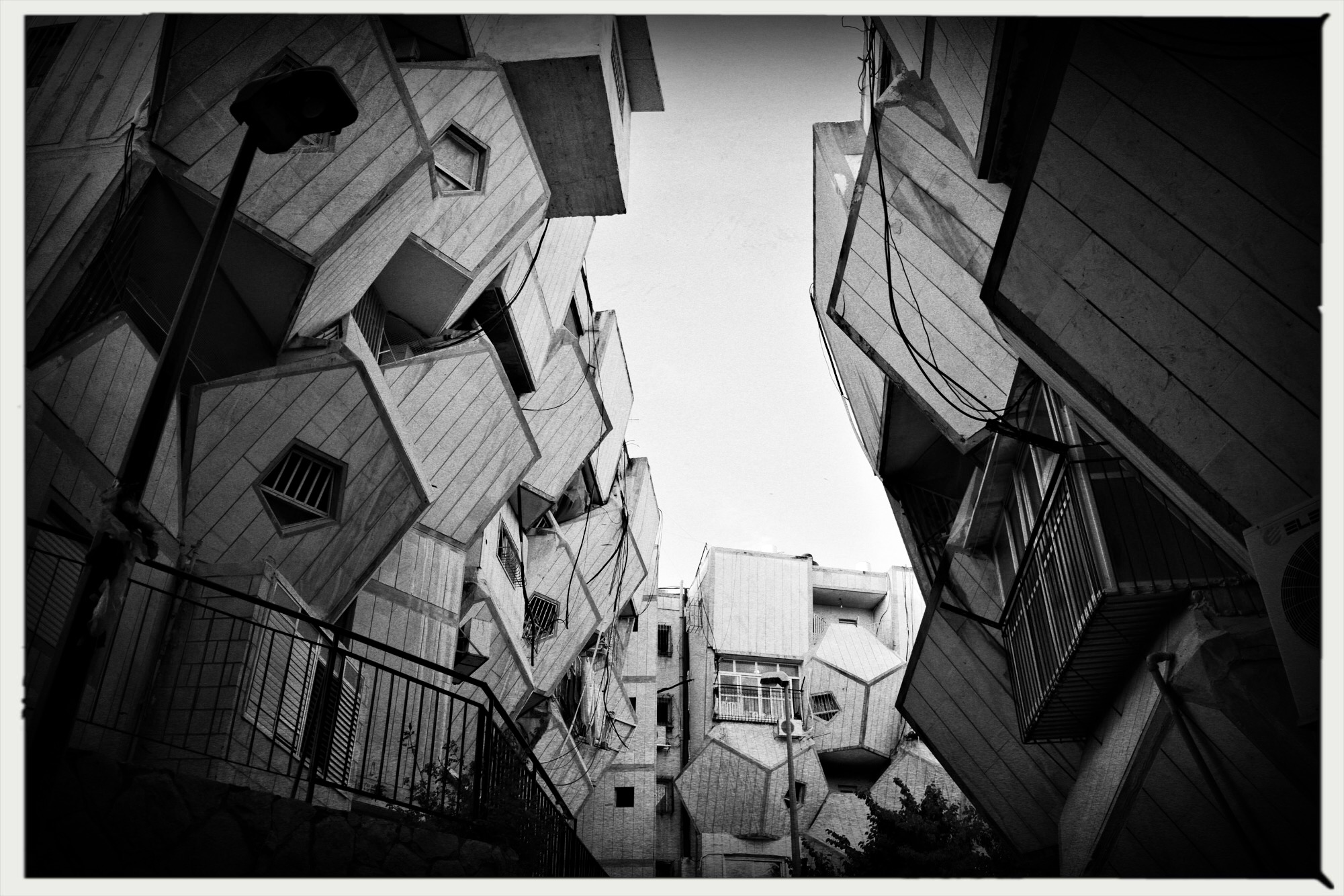
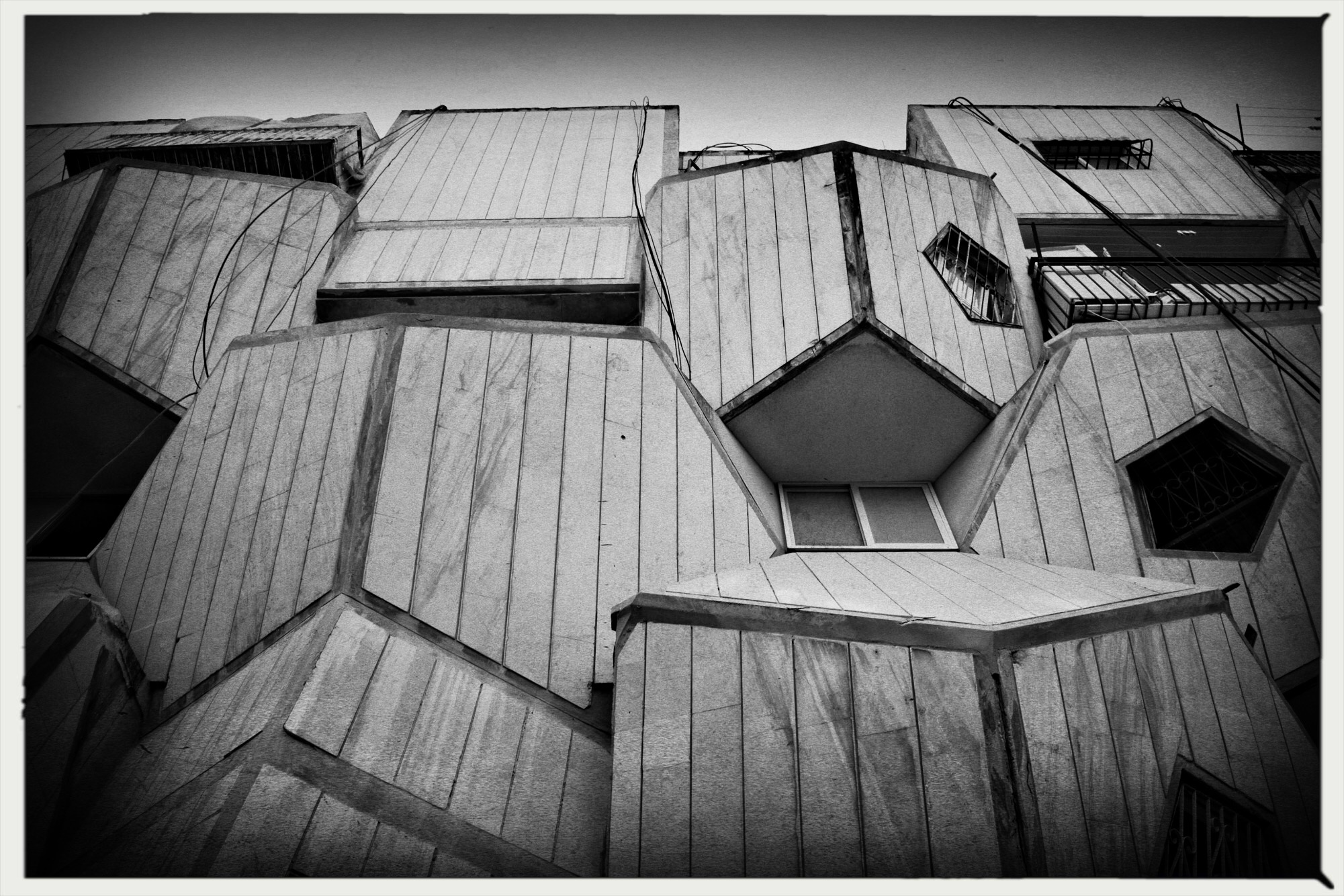
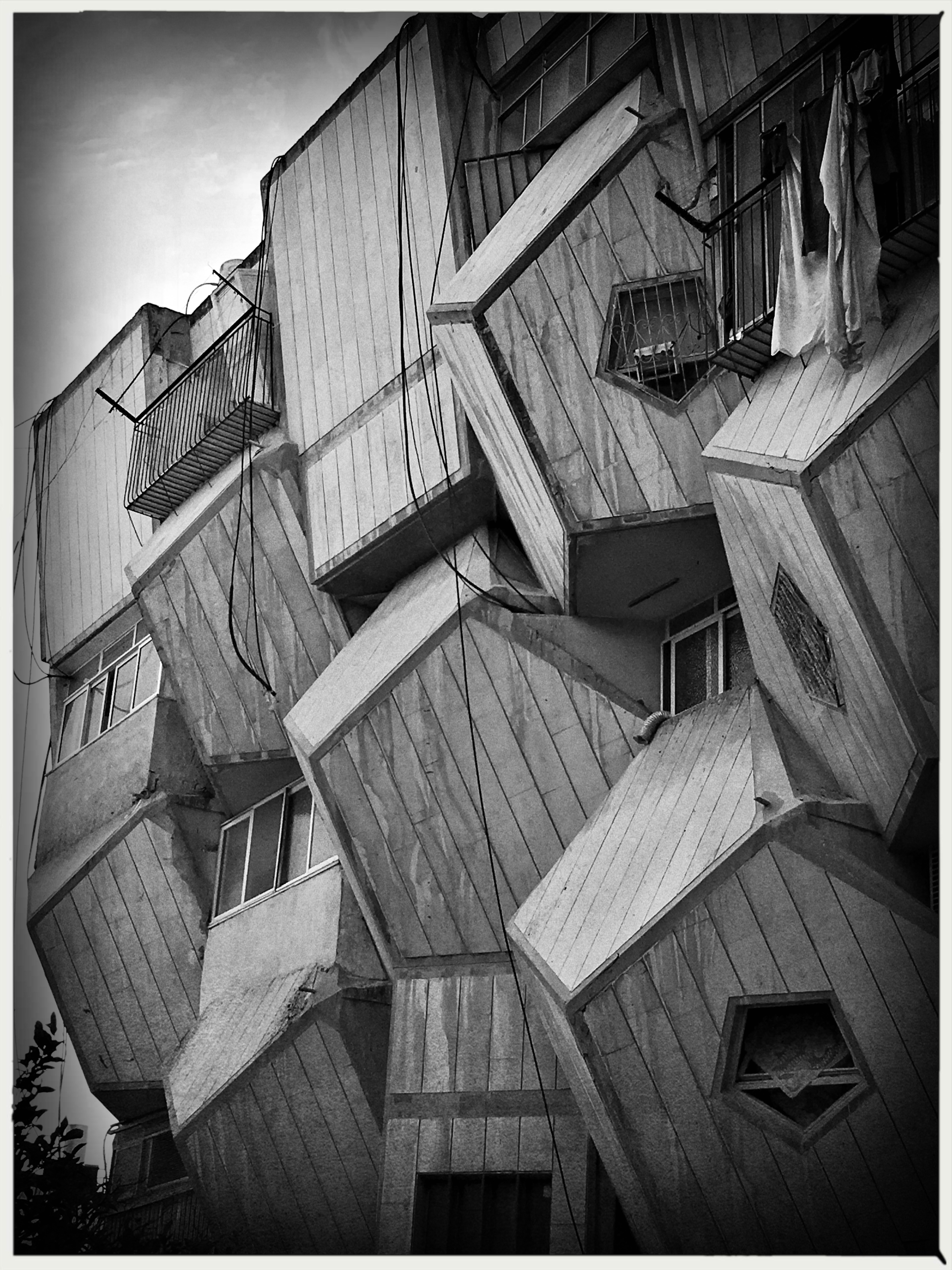
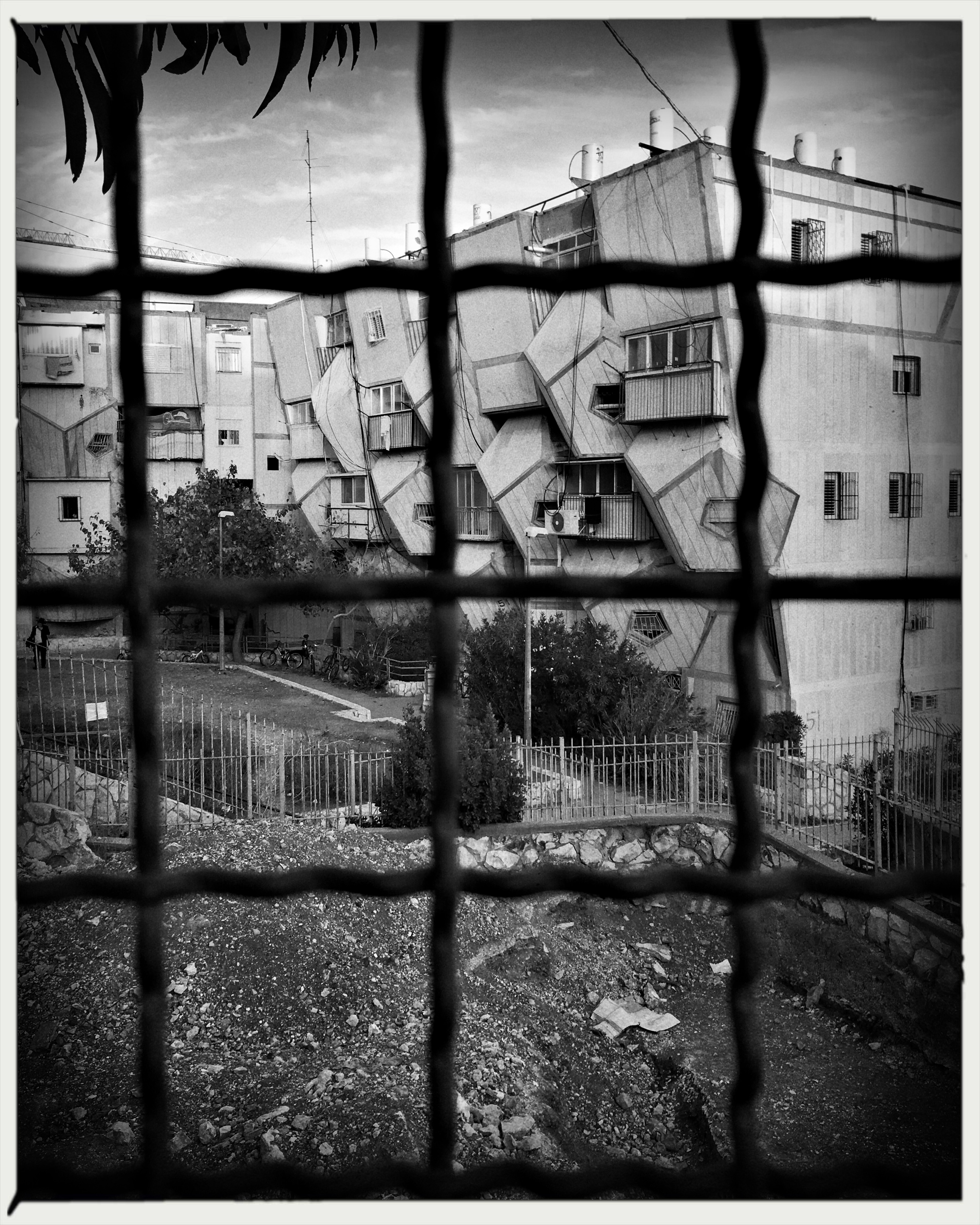
The vast majority of Ramot Polin’s occupants are Haredi Jews, mostly families. We encountered a handful of children playing quietly in the maze-like areas between clusters of apartments, but none seemed too disturbed by our presence. One can only wonder what it must be like to live in such a complex, with its eerie silence and foreboding structures, and its isolated locale.
‘I’ve got a great idea for a dystopian novel, inspired by this place,’ I told my friend as we walked to the nearby bus stop, unprepared to pay that extortionate taxi fare again. ‘I’m going to name it after one of my favourite David Sylvian albums.’ She just laughed, knowing I’d never get around to it. Fair enough.